

Would you trust a $60 helmet with your child’s brain?
Short answer, no, some helmets clearly cut concussion risk more than others by managing direct hits and twisting forces.
This post names the best youth helmets that actually reduce brain trauma and explains why they work.
We focus on measurable features parents can check, like multi-density foam, slip-plane or MIPS-style rotational systems, and rock-solid fit.
Read on to pick a model that balances protection, fit, and growing heads.
Leading Youth Hockey Helmet Options for Reducing Concussion Risk
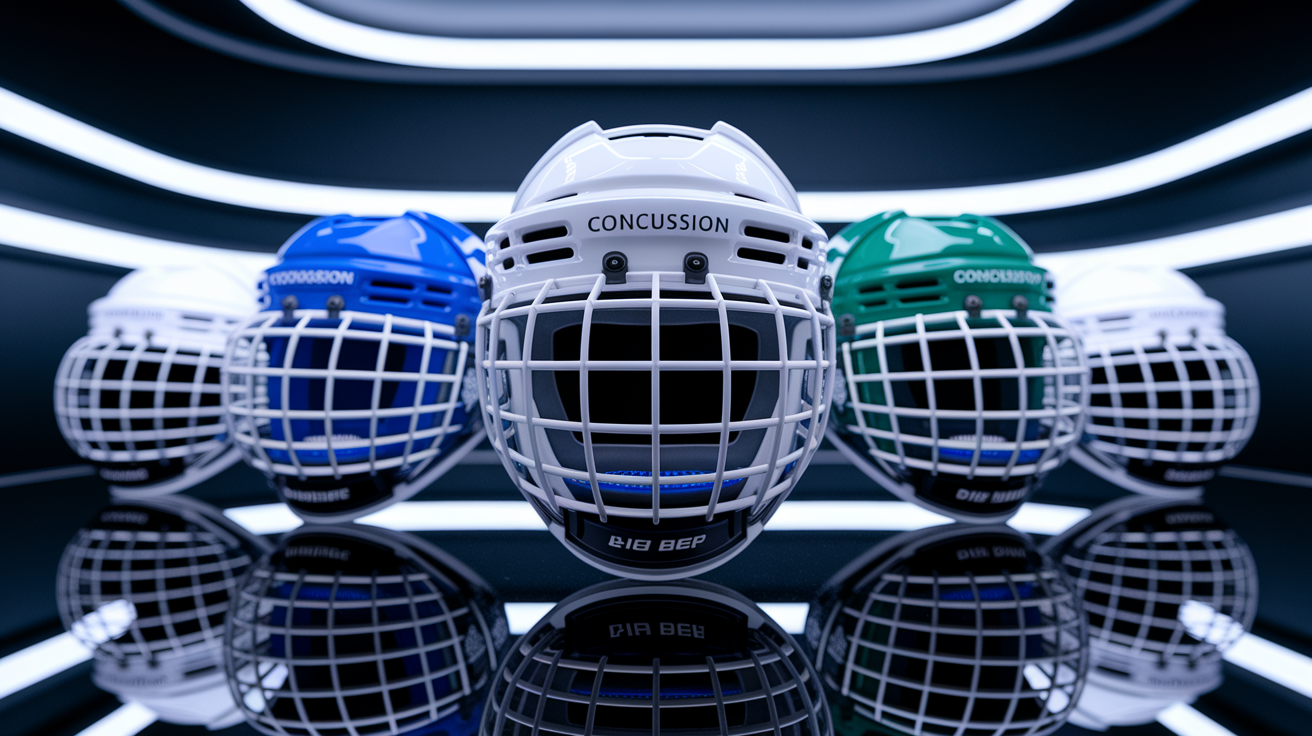
Head injuries make up roughly 15–25% of all youth hockey injuries. Concussions account for most of those incidents. No helmet can prevent a concussion outright, but the safest youth models reduce how severe and how often brain trauma occurs by managing linear impacts (straight-on collisions) and rotational forces (twisting hits that cause the brain to slide inside the skull). For parents trying to protect young players, the difference between a basic $60 helmet and a top-rated $180 model comes down to foam engineering, rotational-impact systems, and fit precision.
The helmets that rank highest in concussion-reduction performance share a few defining features: multi-density foam that absorbs different impact speeds, slip-plane or MIPS-style rotational systems that allow the shell to rotate independently of the head, and fit systems that hold the helmet stable without pressure points. Proper fit matters as much as materials. A helmet that shifts even a centimeter during a check can turn a manageable impact into a severe one. Youth helmets also need to accommodate rapid head growth, which means adjustable sizing and interchangeable foam pads become critical for keeping protection consistent season to season.
Current top-rated youth helmets for concussion prevention include:
Bauer Re-Akt Youth — Dual-density EPP/VN foam paired with multi-directional impact protection; HECC and CSA certified with tool-free length and width adjustment
CCM Tacks Youth — 3D-printed liner with D3O smart foam that stiffens on impact; excellent side-panel protection; sizes span 52.5 cm to 60 cm
Warrior Covert PX2 Youth — Lightweight composite shell with Polygiene foam and Dual Axis Rotation (DAR) slip-plane layer; known for snug, stable fit
TRUE Dynamic Youth — Budget-friendly MIPS-equipped model; one-piece polypropylene shell; lightest option in its class at under 480 g
Bauer IMS 5.0 Youth — Mid-tier choice with EPP foam zones and basic rotational dampening; strong entry-level option with certified protection at roughly $90
These models were evaluated using a combination of independent safety testing (when available), published foam materials and construction methods, HECC and CSA certification status, user fit consistency reported across sizing runs, and presence of rotational-impact mitigation technology. Weight, cage compatibility, and tool-free adjustment were secondary factors considered only after core safety performance was confirmed.
Key Technologies That Improve Helmet Safety for Youth Players
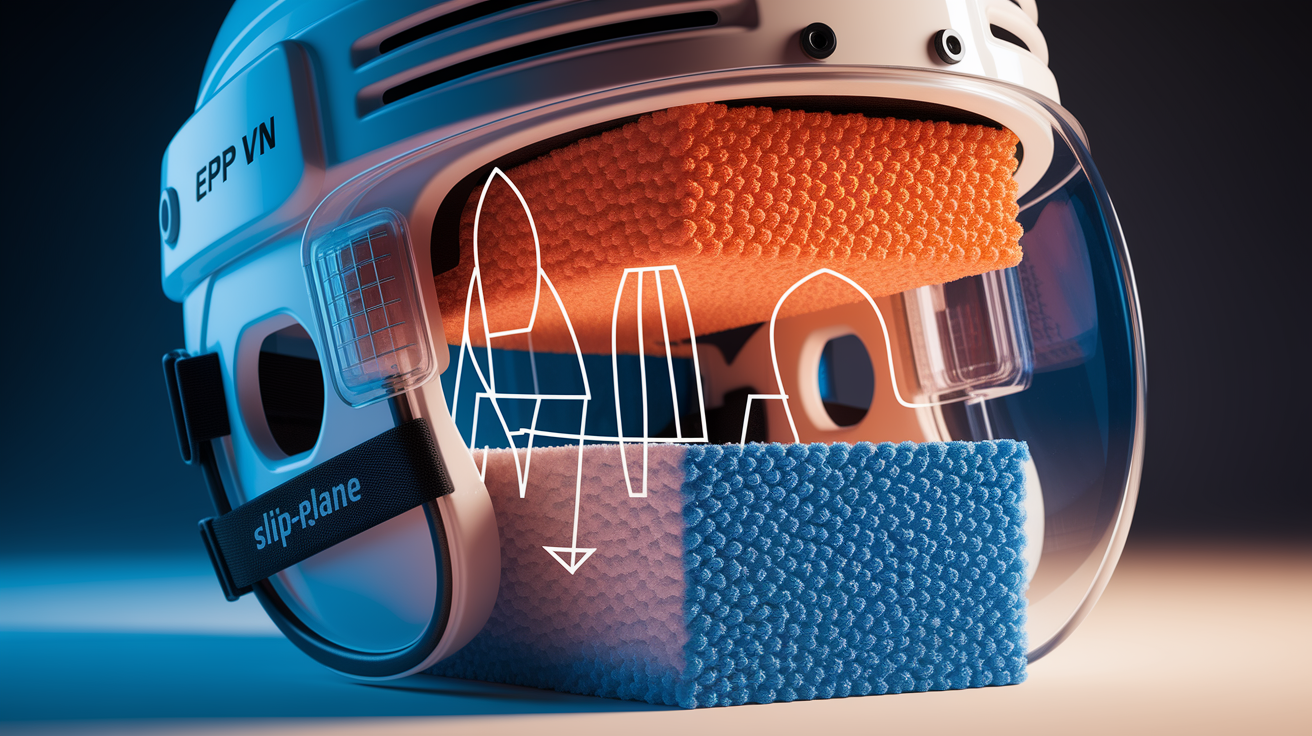
Multi-density foam systems are the foundation of modern concussion-reduction design. EPP (expanded polypropylene) foam provides rigid, structural impact absorption, distributing force across a wider surface area and preventing sharp localized loads on the skull. VN (vinyl nitrile) foam is softer and slower to rebound, which helps absorb lower-speed impacts and provides comfort during normal wear. Top youth helmets layer both materials in strategic zones. Hard EPP in the crown and temples where high-speed puck and board impacts occur, softer VN or Poron foam along the sides and back where checks and falls generate slower, broader forces. Single-layer VN foam (common in helmets under $80) hardens over time as it absorbs sweat and repeated low-level impacts, reducing its ability to cushion the brain during a real collision.
Rotational-impact protection addresses the twisting motion that causes diffuse axonal injury, the most dangerous type of concussion. MIPS (Multi-directional Impact Protection System) and similar slip-plane technologies insert a low-friction layer between the helmet shell and the inner foam, allowing the outer shell to rotate 10–15 millimeters independently when the head receives an angled hit. This rotation absorbs energy that would otherwise transfer directly into the brain stem. Bauer’s Suspend-Tech and CCM’s Rotation Dampening layers work on the same principle. When a shoulder or elbow strikes the helmet at an angle, the shell slides rather than locking to the skull, reducing the rotational acceleration inside the head. For youth players, who generate less collision force but are more vulnerable to brain trauma, rotational systems can cut peak brain acceleration by 20–35% in lab testing.
Shell construction and ventilation design also influence safety, though less directly. One-piece injection-molded shells (common in TRUE and Warrior models) distribute stress more evenly than multi-piece designs, reducing the chance of localized cracking. Strategic vent placement, especially at the crown and rear, improves airflow without creating weak points where cracks can propagate during impact.
How to Choose the Right Helmet for Your Child
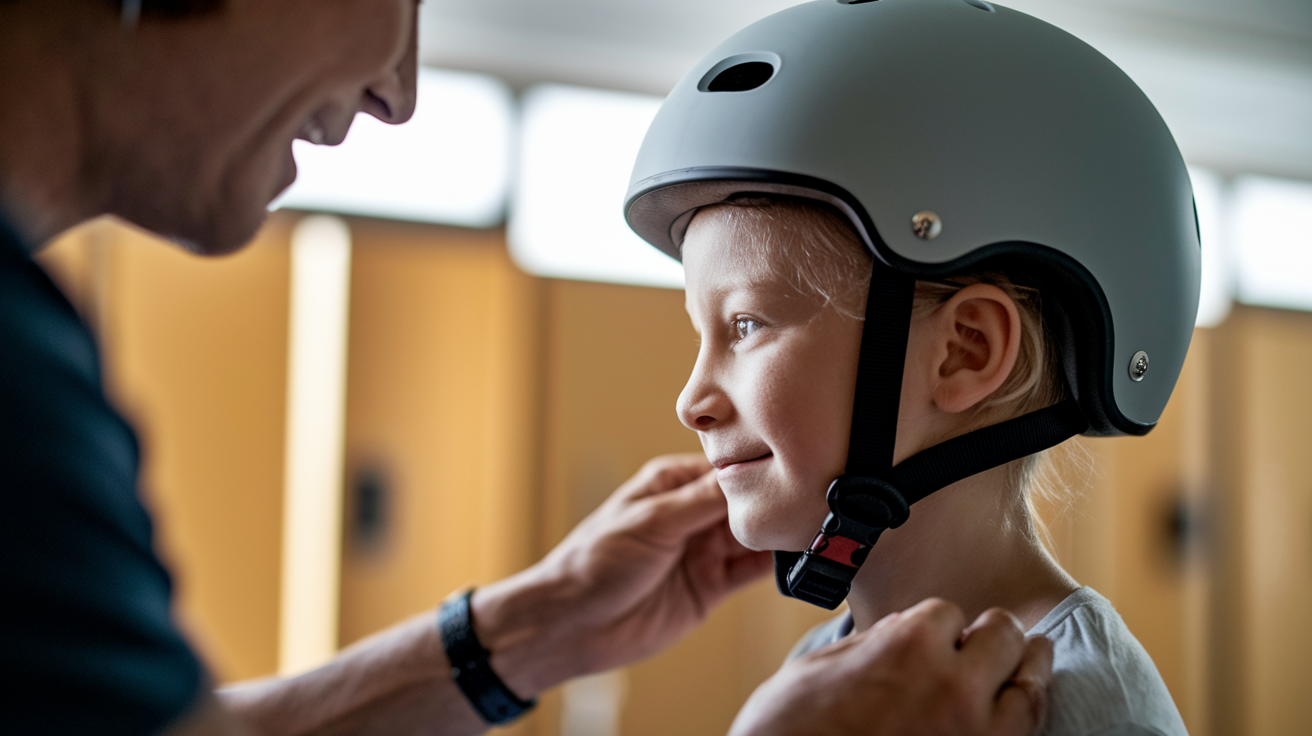
A helmet that fits correctly reduces movement during impact, keeps foam liners in contact with the skull, and prevents the cage from driving into the face on a frontal collision. Even the safest helmet becomes ineffective if it shifts, tilts, or leaves gaps between the padding and the head. Proper fit also matters for compliance. Youth players are more likely to loosen straps or skip wearing the helmet if it pinches, digs into the forehead, or feels unstable during skating.
Follow this six-step process to get correct fit:
1. Measure head circumference by running a soft tape measure from the back of the head (the widest point above the neck) to a spot roughly 1/4 inch above the eyebrows, pulling the tape snug but not compressing the skin.
2. Cross-reference the measurement against the manufacturer’s sizing chart for the specific model, not a generic “youth small/medium/large” guide, because sizing varies across brands and even within product lines.
3. Place the helmet on the child’s head with the front edge sitting about one finger-width above the eyebrows. The helmet should feel tight immediately, with no front-to-back rocking when you gently push the crown.
4. Adjust the rear and side fit mechanisms (if present) to eliminate any gaps between the foam and the sides of the head. The skin on the forehead should move when you twist the helmet left and right.
5. Attach the cage, making sure the chin cup sits beneath the chin (not pressing into it) and that J-clips lock the cage securely to the helmet without any vertical play.
6. Have the child shake their head side to side and nod up and down. The helmet should stay stable with no shifting, and the cage should remain an even distance from the nose and chin throughout the motion.
Common fitting mistakes include buying a helmet one size too large to “grow into,” which leaves the foam floating away from the skull and allows dangerous movement during checks. Parents also frequently over-tighten the chin strap to compensate for a loose helmet, which pulls the cage into the chin and can cause jaw injuries on frontal impacts. Another issue is assuming combo helmet-cage packages are properly matched. Cage sizing sometimes lags helmet sizing by half a size, so always verify cage fit independently.
Proper fit interacts directly with concussion-prevention design because rotational-impact systems and multi-density foam can only function when the helmet remains in stable contact with the head. A loose helmet turns advanced safety engineering into wasted material.
Safety Certifications and Standards for Youth Hockey Helmets
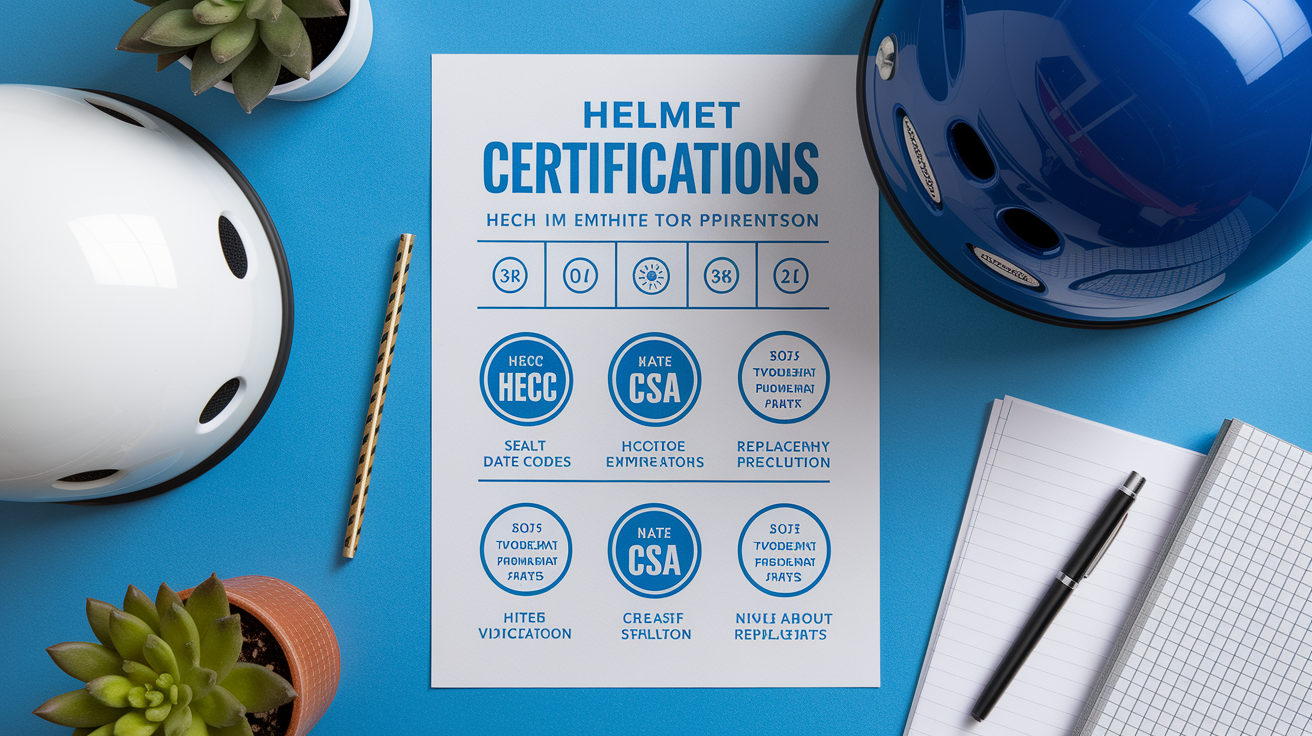
HECC (Hockey Equipment Certification Council) certification is required for youth league play across the United States and guarantees that a helmet has passed standardized drop tests measuring impact absorption, shell strength, and retention-system security. The HECC stamp includes a date code showing when certification was granted, and certification remains valid for 6.5 years from that date. After expiration, the helmet is no longer legal for sanctioned play, even if it shows no visible damage. HECC testing evaluates helmets against both high-energy impacts (simulating collisions with boards or ice) and multiple lower-energy strikes to make sure foam performance holds up over a season.
CSA (Canadian Standards Association) certification is mandatory for youth programs in Canada and uses similar but slightly different test protocols, including additional cold-temperature impact testing to account for outdoor rink conditions. Helmets sold in both countries typically carry dual HECC and CSA stamps. Some manufacturers also pursue optional Virginia Tech STAR ratings, which rank helmets on a five-star scale based on laboratory impact testing across multiple locations and angles, but STAR ratings aren’t required for play and remain less common on youth models than adult helmets.
Before purchasing, verify these three certification checkpoints:
HECC or CSA stamp is present on the helmet and the date code is within 6.5 years of the current date
Certification sticker is intact and legible (faded, peeling, or missing stickers indicate the helmet may have been improperly stored or is past its useful life)
Replacement parts (foam pads, screws, clips) are available from the manufacturer to maintain certified status, since aftermarket modifications can void certification
Comparison of the Top Youth Hockey Helmets
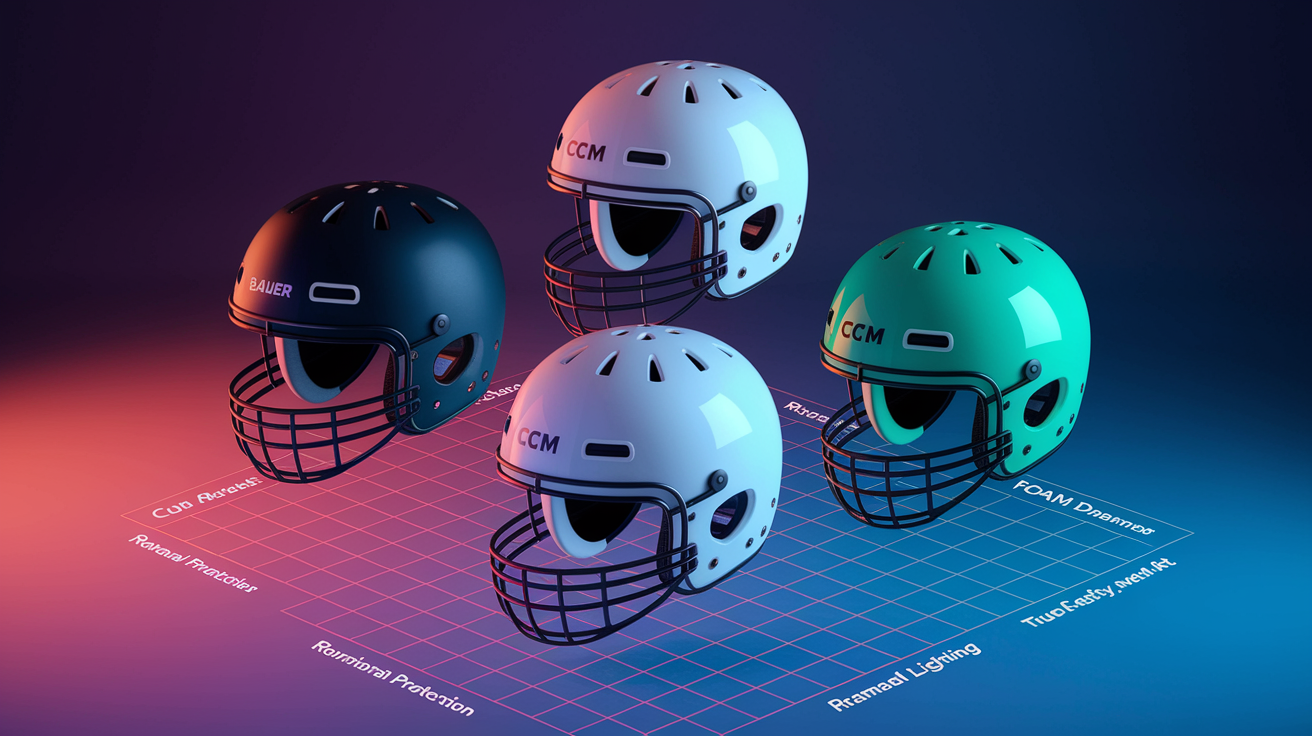
The leading youth helmets separate into three performance tiers: premium models with rotational-impact systems and advanced multi-density foam ($160–$220), mid-tier options with dual-foam zones but no slip-plane technology ($100–$140), and certified entry-level helmets with single-density foam and basic adjustment ($70–$95). Within the premium tier, differences in weight, cage quality, and fit range often matter more than raw protection scores, since all top models meet or exceed HECC impact thresholds by significant margins.
| Model | Key Safety Features | Certification | Best For |
|---|---|---|---|
| Bauer Re-Akt Youth | Dual EPP/VN foam, Suspend-Tech rotational layer, FreeForm 3-tab fit system | HECC, CSA | Players in high-contact leagues needing customizable fit and rotational protection |
| CCM Tacks Youth | 3D-printed liner with D3O smart foam, reinforced side panels, tool-free rear adjustment | HECC, CSA | Players prioritizing comfort and maximum linear impact absorption |
| Warrior Covert PX2 Youth | Dual Axis Rotation slip-plane, Polygiene antimicrobial foam, composite shell | HECC, CSA | Lightweight preference with strong rotational-impact mitigation at mid-premium price |
| TRUE Dynamic Youth | MIPS rotational system, one-piece polypropylene shell, stackable FITPAD inserts | HECC, CSA | Budget-conscious families wanting MIPS technology without premium pricing |
The Bauer Re-Akt Youth stands out for its independent length and width adjustment, which keeps fit consistent as the player’s head grows, reducing the need to replace the helmet mid-season. CCM Tacks Youth offers the most comprehensive side-panel protection, making it ideal for defensemen and physical forwards who absorb frequent shoulder checks. Warrior Covert PX2 Youth delivers the lightest weight in the premium category, which younger players notice during long practices. TRUE Dynamic Youth brings MIPS rotational protection to a sub-$130 price point, though its single-piece shell limits customization compared to models with modular foam pads.
Maintenance and Replacement Guidelines for Youth Helmets
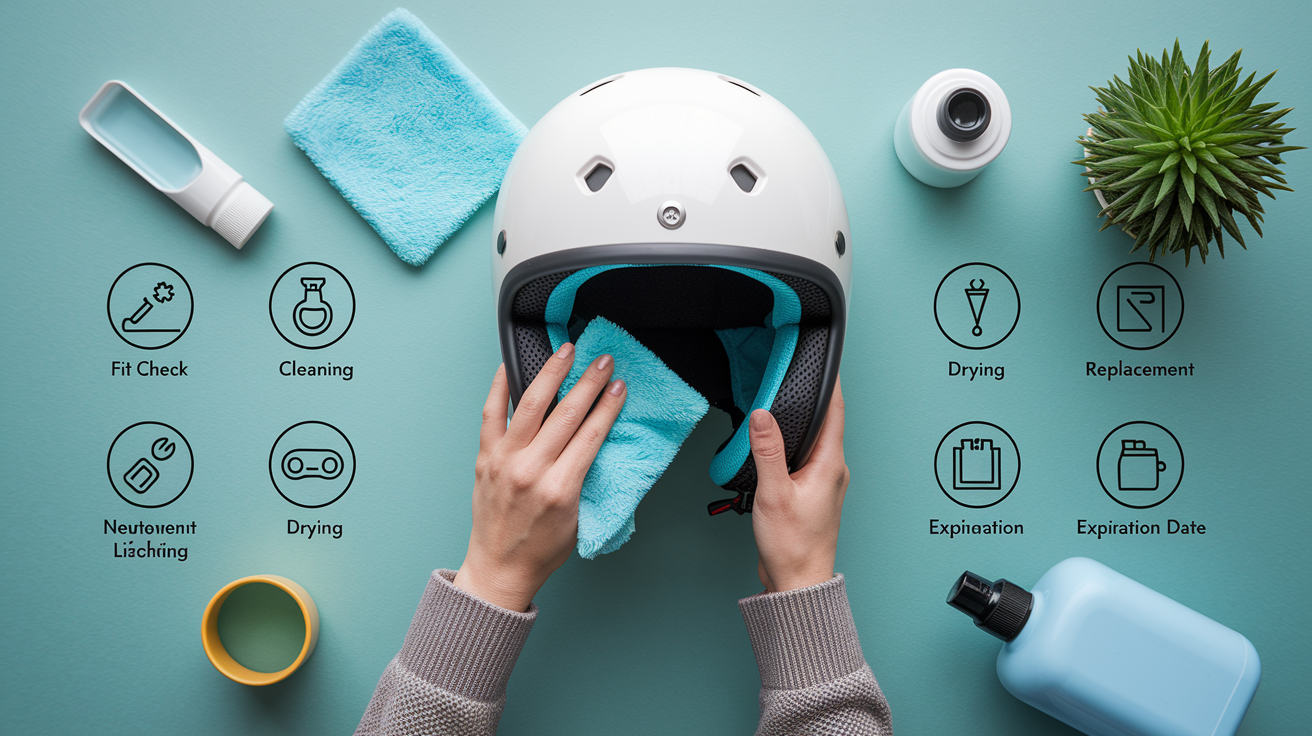
Helmets degrade through a combination of visible damage and invisible foam compression that accumulates with every practice and game. HECC certification expires 6.5 years from the manufacture date stamped on the helmet, and most leagues won’t allow expired helmets on the ice regardless of cosmetic condition. Beyond certification, foam performance begins to decline after roughly 200–250 skating hours as repeated low-level impacts compress the cellular structure, reducing the material’s ability to absorb energy. Sweat accelerates this process by breaking down the chemical bonds in VN foam, causing it to harden and lose rebound capacity.
Proper cleaning preserves foam integrity and extends usable life. After each use, wipe down the interior foam with a damp cloth and allow the helmet to air-dry completely before storing it in a ventilated equipment bag. Avoid leaving helmets in hot cars or direct sunlight, which can warp the shell and degrade foam faster. Never machine-wash foam liners or soak them in water, as saturation breaks down the cell structure even in EPP foam designed for moisture resistance.
Replace a youth hockey helmet immediately if you observe any of these warning signs:
Visible cracks in the shell, especially around screw holes, vent openings, or the attachment points for the cage
Foam that no longer rebounds when pressed, or permanent indentations where the head contacts the liner
Loose, stripped, or rusted hardware (screws, clips, adjustment tabs) that can’t be tightened or replaced with OEM parts
HECC or CSA certification date has passed the 6.5-year expiration window, even if the helmet appears undamaged
Final Words
In the action, we ran through the safest youth hockey helmets for concussion prevention: top models, the tech that matters, fit steps, certifications, and when to replace gear.
You’ve seen why multi-density foams, rotational layers, and a snug fit cut risk, which helmets test well, and how to verify HECC/CSA marks before you buy.
Use this guide to narrow choices and pick the best youth hockey helmets for concussion prevention by prioritizing certified fit, proven tech, and regular inspection. Small steps now mean safer shifts later.
FAQ
Q: What hockey helmet is best for concussion? / What is the best helmet to prevent concussion?
A: The hockey helmet best for reducing concussion risk combines multi-density foam, a rotational-impact (MIPS-style) layer, and a reliable fit; top-rated youth models include Bauer Re‑Akt, CCM Tacks, and Warrior Covert.
Q: Can a hockey helmet prevent concussions?
A: A hockey helmet cannot completely prevent concussions but can lower risk by absorbing linear impacts and, with rotational protection, reducing twisting forces; proper fit and certification matter most.
Q: Do concussion helmets actually work?
A: Concussion helmets with rotational layers and modern foams do work to reduce impact severity and rotational acceleration, lowering concussion likelihood, but they do not eliminate risk and depend on fit and testing.