

Think the power play decides games? The penalty kill (PK) usually does.
When your team is short-handed, it’s not just damage control.
It’s a chance to flip momentum, kill the clock, and even create shorthanded chances.
This post cuts through the noise: clear principles, practical formations, player roles, and simple execution tips that youth and older teams can use.
Read on and you’ll know what to coach, what players should practice, and how a confident PK turns two minutes into a team advantage.
Core Explanation of the Penalty Kill
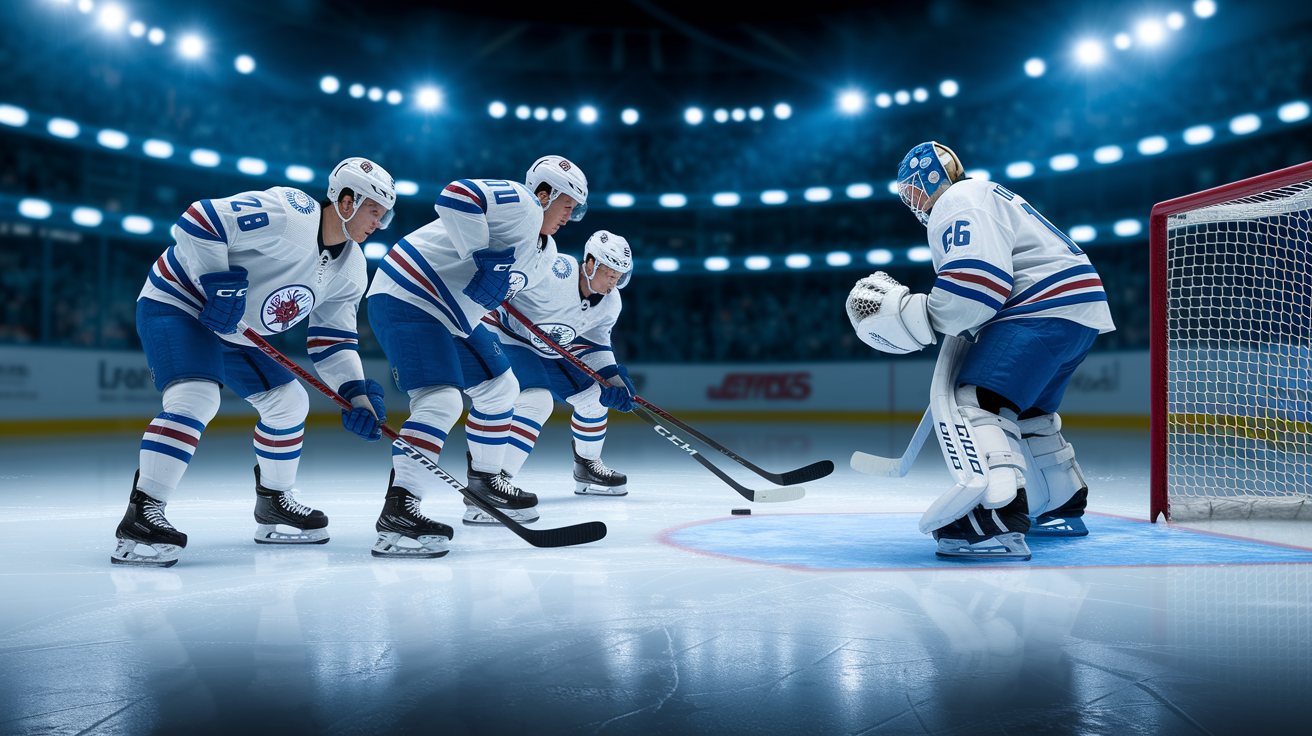
A penalty kill happens when your team’s defending with fewer skaters than the other guys, usually because someone’s sitting in the box. Most of the time, it’s a 5-on-4 setup from a minor penalty that lasts two minutes (unless they score on the power play). Your PK unit’s job? Stop them from scoring by controlling space, shutting down passing lanes, and getting the puck out whenever you can.
But here’s the thing. A good penalty kill isn’t just playing defense and hoping for the best. It’s a chance to flip the momentum, wake up your bench, and force the opposition into bad shots. Teams with strong PK units use those shorthanded moments to create breakaways or turnovers that change the whole vibe of a game. Kill a penalty against a dangerous power play and it hits just as hard as putting one in the net yourself.
Special teams get magnified when games tighten up. Playoffs especially. One power play goal can end your season. If you can’t kill penalties consistently, you’re not winning, no matter how good you look 5-on-5. The penalty kill separates teams that are okay from teams that compete for championships. It demands discipline, nonstop communication, and relentless execution from all four shorthanded skaters plus your goalie.
Fundamental Principles of Effective Penalty Killing
Effective penalty killing starts with tight structure and constant awareness. Stay compact. Maintain proper gaps between each other and the puck. Communicate loud enough that everyone knows who’s got what. Things fall apart when guys start chasing instead of controlling space, or when gaps open up that let clean cross-ice passes through into danger zones.
You’ve got to read plays early. Don’t react. Anticipate. Watch the passer’s eyes and body language, stay on the inside of shooting lanes, position your stick to break up passes before they happen.
Here’s what matters:
Active sticks in passing lanes. Blade on the ice, ready to deflect or pick off those cross-seam feeds.
Low stance, knees bent. Quick pivots, better balance, easier recoveries when you’re blocking shots.
Gap control. Close enough to pressure without overcommitting and opening lanes behind you.
Communication. Call out screens, passing threats, player switches before they turn into problems.
Shot suppression. Force shooters outside, block lanes to the net, eliminate second chances.
Shot blocking gets debated at younger levels, but it’s essential once competition ramps up. Technique beats reckless bravery every time. Get in the lane early, stay square to the shooter, use controlled positioning instead of diving around like you’re trying to be a hero. A well-timed block can be just as valuable as a save.
Common Penalty Kill Formations
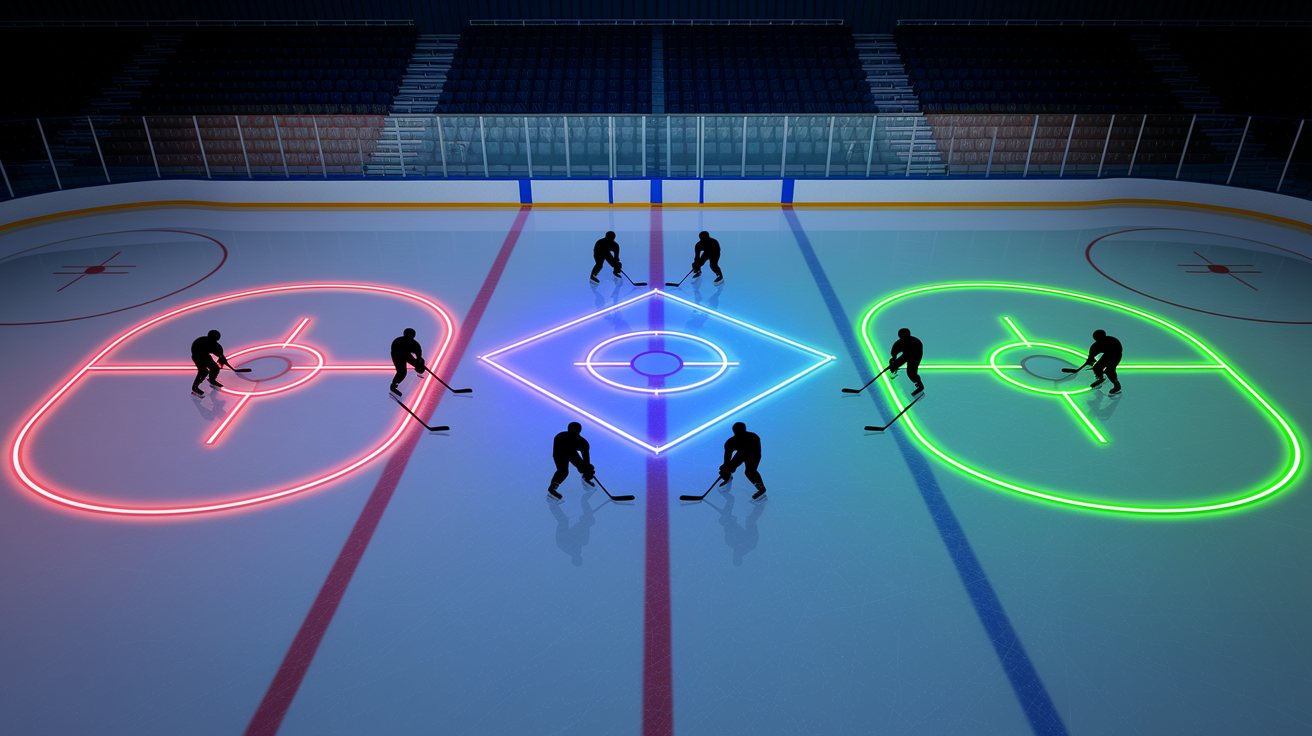
Box Formation
Four skaters form a tight square around the slot. Two forwards up high near the top of the circles, two defensemen lower protecting the crease and net front. The box limits cross-ice passes and forces power plays to shoot from the outside. It works best against units that cycle the puck around the perimeter looking for one-timers from the point or dots. When the puck moves, the whole box shifts together, keeping that square shape and clogging passing lanes. The downside? Aggressive power plays can exploit the lack of pressure on puck carriers, giving them extra time to set things up.
Diamond Formation
One forward high near the blue line, two players mid-level at the faceoff dots, one defender deep protecting net front. This setup crushes umbrella power plays that stick a shooter up top with support from the flanks and down low. Your high forward pressures the point man, disrupting setup time and forcing rushed decisions. The two mid-level guys cut off cross-ice passes and protect against one-timers from the circles. Your low defender manages net-front traffic and stops backdoor plays. The diamond lets you pressure more than the box, but quick puck movement can exploit gaps between layers if you’re not sharp.
Wedge +1 Formation
Three forwards form a wedge protecting the slot. One roaming forward pressures the puck carrier. One defenseman anchors the back. It’s aggressive, designed to create turnovers by forcing mistakes. The roamer actively challenges guys on the wall or at the point while the wedge collapses to protect the middle and deny high-danger passes. Wedge +1 works when you want to disrupt their rhythm and create shorthanded chances, but it requires precise timing and excellent communication. If your roamer gets caught or beaten, the wedge gets exposed to odd-man situations that lead to clean looks.
Strategic Objectives and Execution
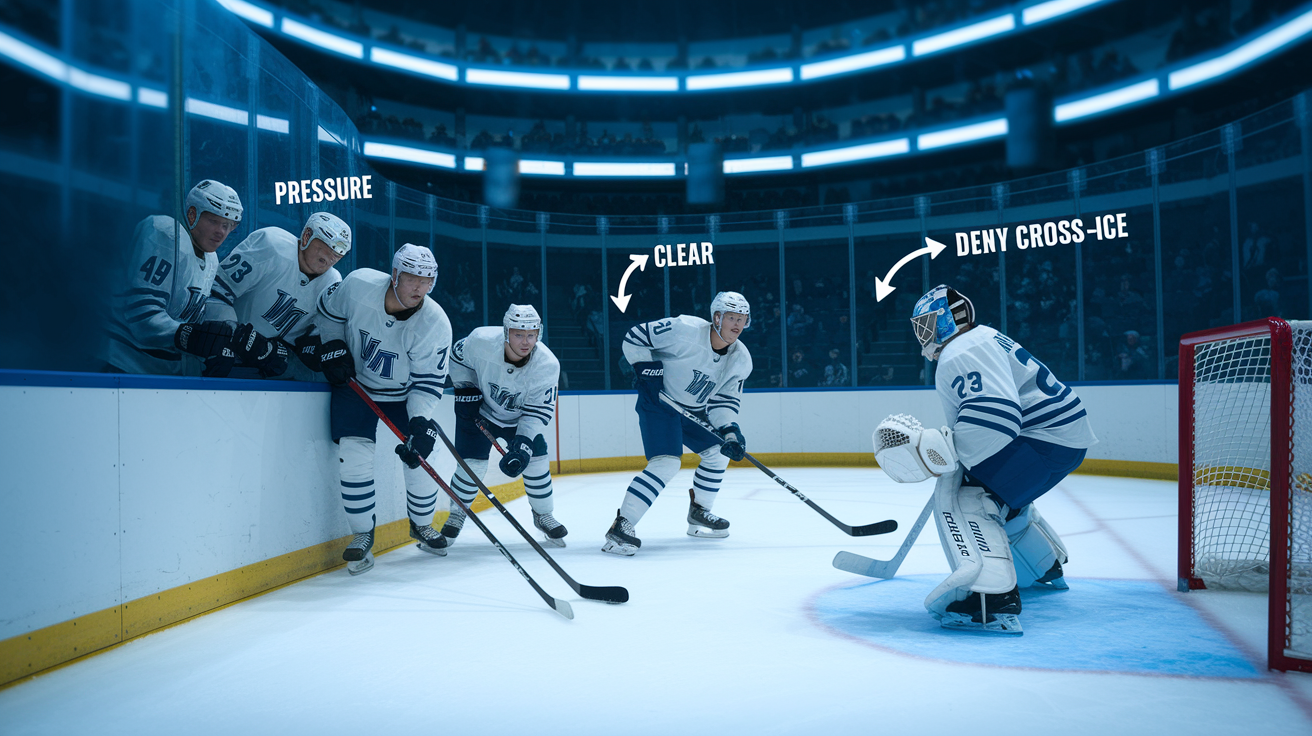
Your core objective on the PK is denying high-danger chances while managing time and ice position. Every second that ticks off without a goal against is a win. Focus on forcing the power play to reset, disrupting their setup, clearing the puck to buy time for changes and recovery. Clearing doesn’t mean blindly icing it. Smart clears use the glass and boards to send the puck deep without icing, giving your bench a chance to get fresh legs out there.
Controlled pressure is another key piece. You’ve got to know when to challenge the puck carrier and when to hold position. Pressure at the wrong time opens passing lanes and creates odd-man rushes toward your net. The best PK units pressure when support’s close, when the puck carrier’s facing the boards, or when there’s a real chance to force a turnover without leaving a teammate exposed.
Denying cross-ice passes is your highest priority. Most power play goals come from one-timers fed by cross-slot or cross-ice passes that catch the goalie moving side to side. Use your stick and body positioning to take away those seam passes, forcing them to shoot from the perimeter or try lower-percentage plays. When cross-ice lanes are closed, power plays settle for point shots that goalies can track and save way easier.
Here’s how a good puck clear works:
Gain possession in the defensive zone, ideally along the boards or below the goal line. Protect the puck for a second with your body while scanning for open ice up the boards or through the middle. Make a quick, hard clear to the glass or over the blue line, aiming for zones with no immediate coverage. Communicate the clear to your teammates so they can anticipate the change and adjust.
Player Roles on the Penalty Kill
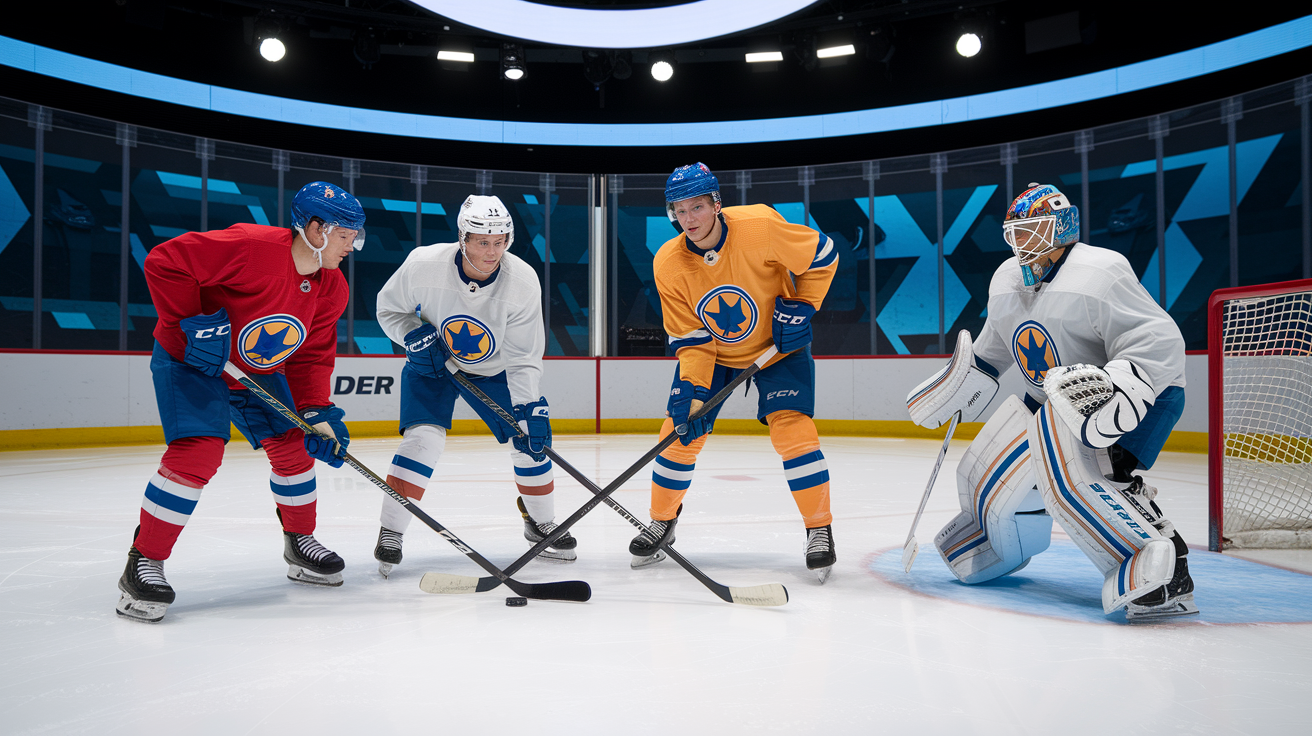
Forwards on the PK are usually the most mobile and aggressive guys on the unit. Their job? Pressure puck carriers, guard the point to prevent easy shots from the blue line, intercept passes in the high slot. You need quick feet, an active stick, and the ability to read where the puck’s going before it gets there. On most penalty kills, one forward acts as the first layer of pressure, engaging the puck carrier on the wall or at the point. The second forward provides support and cuts off outlet passes. The best PK forwards combine relentless energy with smart positioning, knowing when to close and when to hold ground.
Defensemen anchor the PK by protecting the slot, managing net-front traffic, and quarterbacking puck clears. They’re responsible for preventing backdoor plays, clearing rebounds, communicating with the goalie about screens and threats. D-men typically stay deeper in the zone than forwards, holding the line between the puck and the net. They’ve got to be strong in front, capable of moving guys out of the crease, disciplined enough to avoid taking more penalties while battling for position. When the puck’s cleared, defensemen often execute the play, using the boards or making quick stretch passes to transition out of danger.
Your goaltender plays a critical role beyond stopping shots. Goalies communicate constantly, calling out screens, identifying threats, directing traffic in front. Some goalies also play the puck to help their PK unit, stopping dump-ins behind the net and setting up quick clears. A vocal, confident goalie can be the difference between a penalty kill that holds structure and one that breaks down under pressure.
Understanding Penalty Kill Statistics
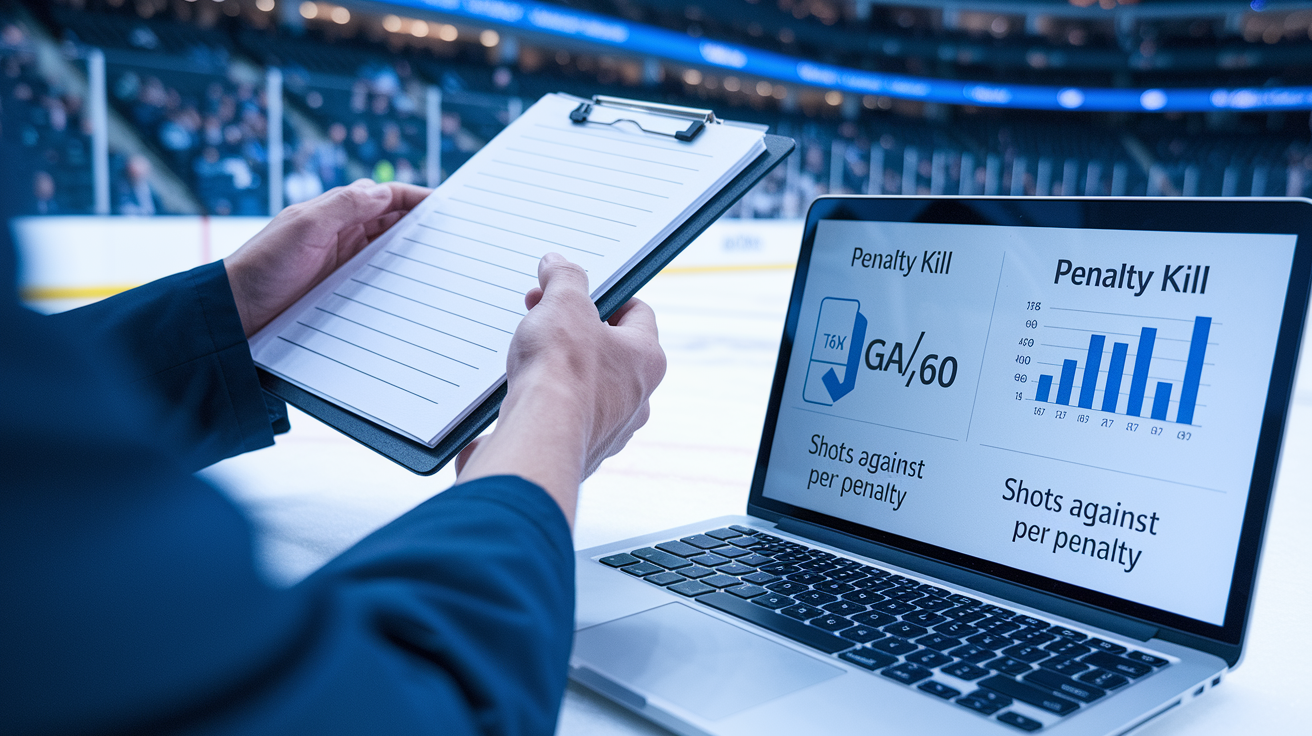
Penalty kill percentage is the main stat for evaluating shorthanded defensive performance. You calculate it by dividing successful penalty kills by total opponent power play opportunities, then multiply by 100. If you kill 17 out of 20 penalties, your PK percentage is 85 percent. It’s a clear snapshot of how often you prevent goals while shorthanded, and it’s one of the most watched special teams numbers in hockey.
League averages for PK percentage usually fall between 75 and 85 percent, depending on level and era. Elite NHL teams operate in the mid to high 80s. Struggling units dip into the low 70s or worse. A penalty kill percentage below 75 percent signals serious structural problems that need immediate attention. Teams track PK percentage over a season, but they also break it down by game, opponent, and situation to identify trends and weaknesses.
| Metric | What It Measures |
|---|---|
| Penalty Kill Percentage (PK%) | Successful kills divided by total opponent power plays |
| Goals Against per 60 (GA/60) Shorthanded | Rate of goals allowed while shorthanded, adjusted to 60 minutes |
| Shots Against per Penalty | Average number of shots faced during each penalty kill opportunity |
Notable Penalty Kill Units Throughout Hockey History
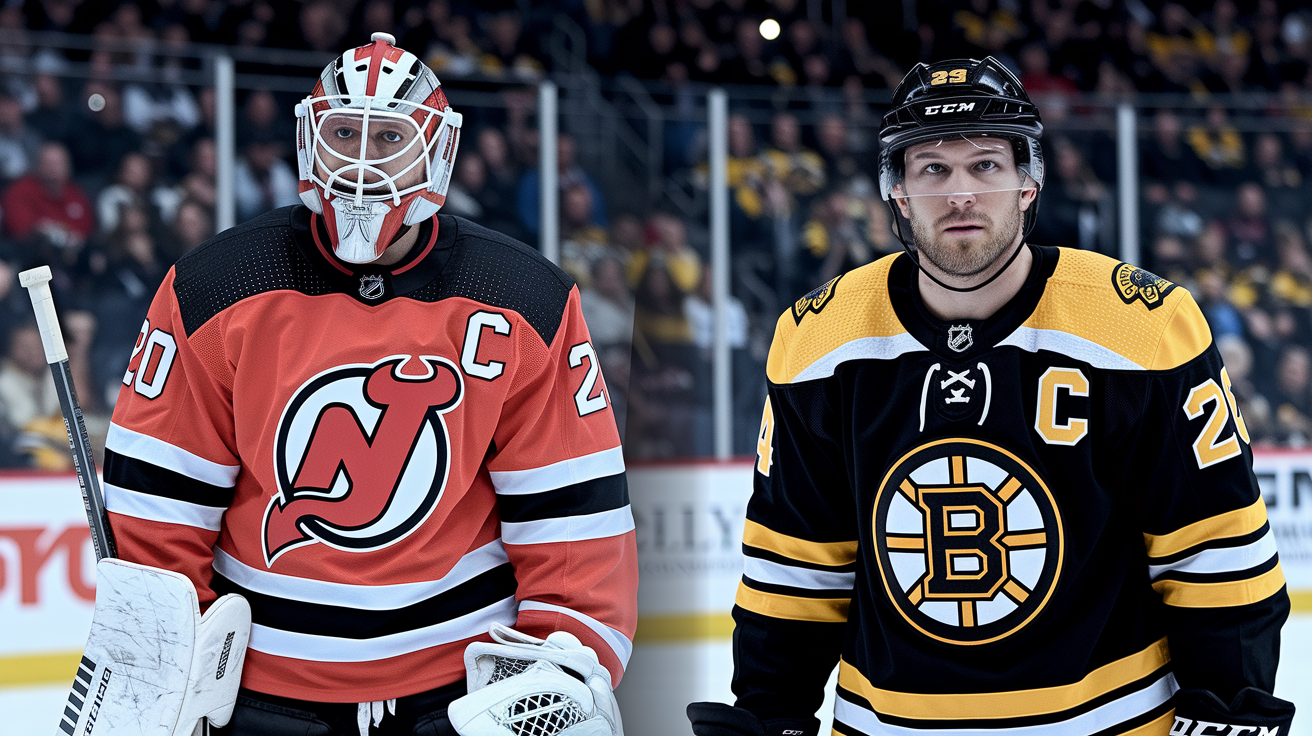
The early 2000s New Jersey Devils built a reputation as one of the most suffocating penalty kill teams in NHL history. Their system relied on airtight structure, disciplined gap control, relentless stick work in passing lanes. Players like John Madden and Jay Pandolfo became household names for their shorthanded excellence, combining speed, hockey IQ, and a willingness to block shots. The Devils’ penalty kill was a cornerstone of their defensive identity and played a major role in their Stanley Cup championships during that era.
The mid-2010s Boston Bruins also fielded an elite PK unit that frustrated opponents with aggressive pressure and quick clears. Patrice Bergeron anchored the group with his ability to read plays, win faceoffs, shut down top power play threats. The Bruins used a diamond formation to challenge the puck at the point while protecting the slot. Their combination of size, speed, and skill made them one of the league’s most feared shorthanded groups. Their penalty kill was often the difference in close playoff games, where a single goal against could end a season.
Historically strong penalty kill units share common traits. They communicate constantly, trust their structure, refuse to panic under pressure. They feature forwards who can skate with top power play threats and defensemen who protect the net without taking unnecessary penalties. Most importantly, they play as a cohesive five-man unit that includes the goaltender, treating every penalty kill as an opportunity to change the game rather than simply survive.
Tips for Improving Penalty Kill Performance
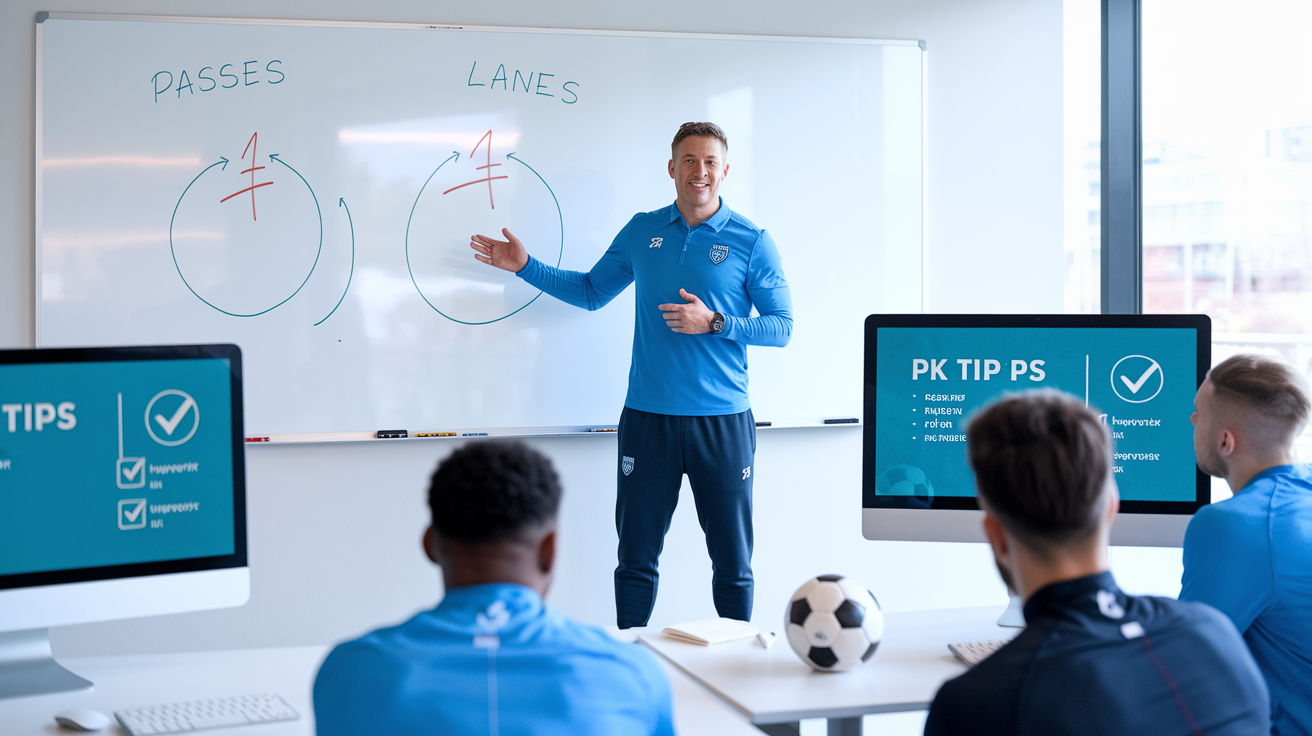
Improving penalty kill performance starts with building unit chemistry through repetition and live practice. PK units need to practice together regularly, working through different power play looks and learning how each teammate reacts under pressure.
Here’s what drives improvement:
Practice situational shifts. Simulate 30 to 60 second penalty kill shifts in practice to build conditioning and decision-making under fatigue.
Study power play tendencies. Review video of upcoming opponents to identify their preferred formations, primary shooters, passing patterns.
Drill stick discipline. Run reps focused on keeping sticks in lanes without slashing or hooking, avoiding more penalties.
Work on quick transitions. Practice clean faceoff wins and immediate clears after gaining possession, reducing time in the defensive zone.
Emphasize communication drills. Build habits of calling out threats, switches, positioning adjustments before the puck arrives.
Track blocked shots and clears. Measure individual and unit performance on key actions, then set improvement targets for each game.
Coaches should film penalty kill sequences and review them with the unit, highlighting both successes and breakdowns. Players learn faster when they can see exactly where gaps opened, when pressure arrived too late, or how a simple adjustment would’ve prevented a scoring chance. Video review turns abstract concepts into concrete lessons that stick.
Final Words
Down a man, puck on the boards, two forwards boxing the point—this is the penalty kill in a single shift. We defined what it is, walked through core fundamentals, covered formations (box, diamond, wedge +1), tactical goals, player roles, PK stats, historic units, and concrete ways to improve.
Keep practicing reads, communication, and clean clears. Take small, repeatable plays and make them habits.
Do the work and the penalty kill becomes a strength, not a liability.
FAQ
Q: What is the difference between a penalty kill and a power play?
A: The difference between a penalty kill and a power play is that a penalty kill is when a team defends shorthanded after a penalty, while a power play is the opponent attacking with an extra skater to score.
Q: What is a penalty kill?
A: A penalty kill is when a team plays shorthanded after a penalty, aiming to prevent the opponent’s power play from scoring by protecting the slot, blocking shots, clearing the puck, and forcing low-danger chances.
Q: How is penalty kill calculated?
A: Penalty kill is calculated by dividing successful kills by total opponent power plays, then multiplying by 100 to get the PK percentage (PK%).
Q: Who has the best penalty kill in the NHL?
A: The best penalty kill in the NHL varies by season; check current league PK percentage standings for the leader—elite teams often post PKs above 85% in top years.