

Want to shave a half‑step off your first stride—or avoid a season of bruised shins?
Picking the lightest shin guards can speed you up, but it can also leave you exposed in front of the net.
Here’s the trade‑off: mobility models use lighter shells, thinner foam, and segmented hinges for deeper strides and quicker transitions.
Protection‑focused guards add thicker HD foam, deeper knee donuts (cradles that cup your kneecap), and reinforced tibia shields to soak up shots and board contact.
Read on for clear, position‑based advice so you can pick the style that actually fits your game.
Choosing Between Mobility‑Focused and Protection‑Focused Shin Guards
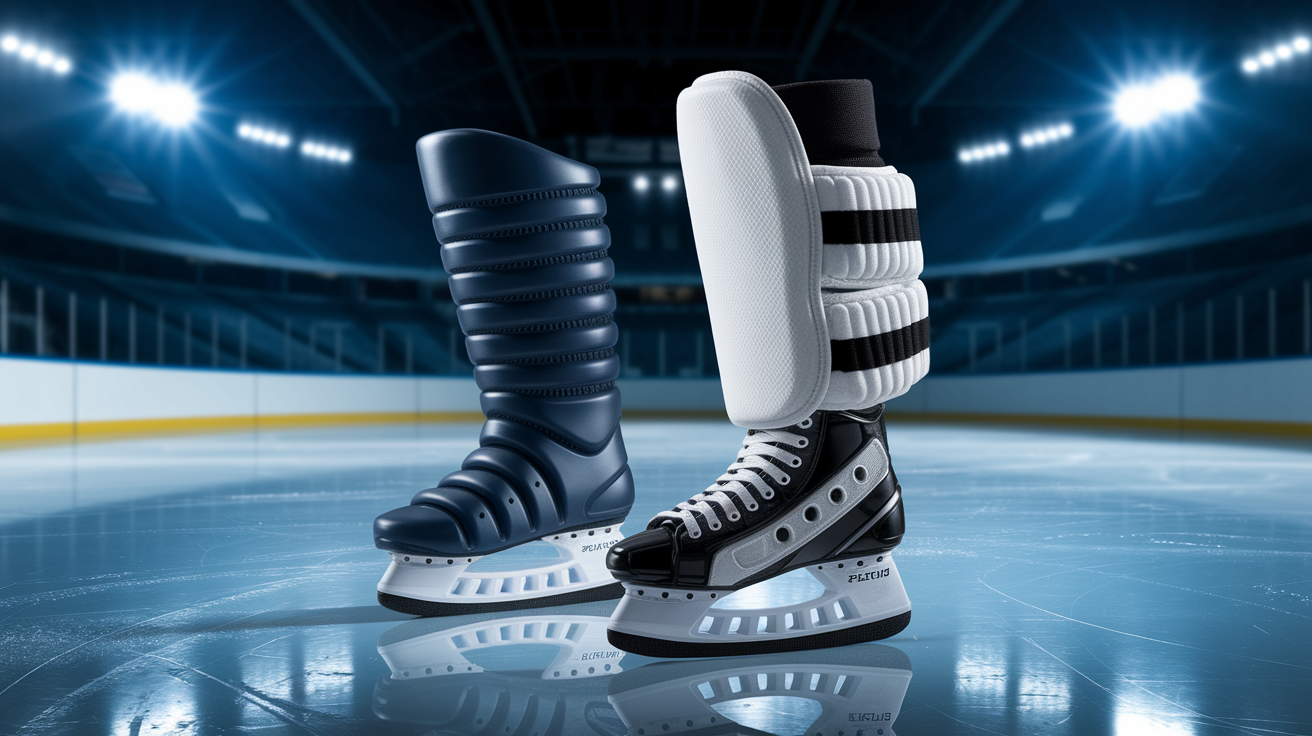
The big trade‑off? Weight and flex versus impact absorption and coverage. Mobility guards use lighter shells, thinner foam, and flexible hinges so you can stride deeper and transition faster. Protection guards stack thicker HD foams, deeper knee caps that wrap your patella, and reinforced shot blockers along the tibia to handle harder impacts. Weight difference between the two typically runs 50 to 120 grams per pair.
Segmented padding, ventilation ports, and tapered ankle wraps all boost mobility. Segmented shells articulate around your shin and knee when you skate. Perforated liners cut bulk and cool things down. A contoured calf guard hugs your leg tighter, creating less drag when you push into a stride.
But if you stand in front of the crease, screen goalies, or defend on the blue line where slap shots come in close, thicker foam layers and extended knee wings absorb impact way better than lighter options. Players who live in board battles and net‑front traffic see real reductions in bruising when they go with protection over pure speed.
When you’re deciding, evaluate these five things:
- Ice time role: Are you forechecking or anchoring the defensive zone?
- Playstyle: Perimeter playmaker or crease‑crashing forward?
- Position: Forwards often want lighter gear, defensemen often want heavier coverage.
- Risk tolerance: How comfortable are you accepting minor bruises for speed?
- Injury history: Recurring shin or knee problems push a lot of players toward reinforced models.
Key Technical Differences Between Mobility and Protection Designs
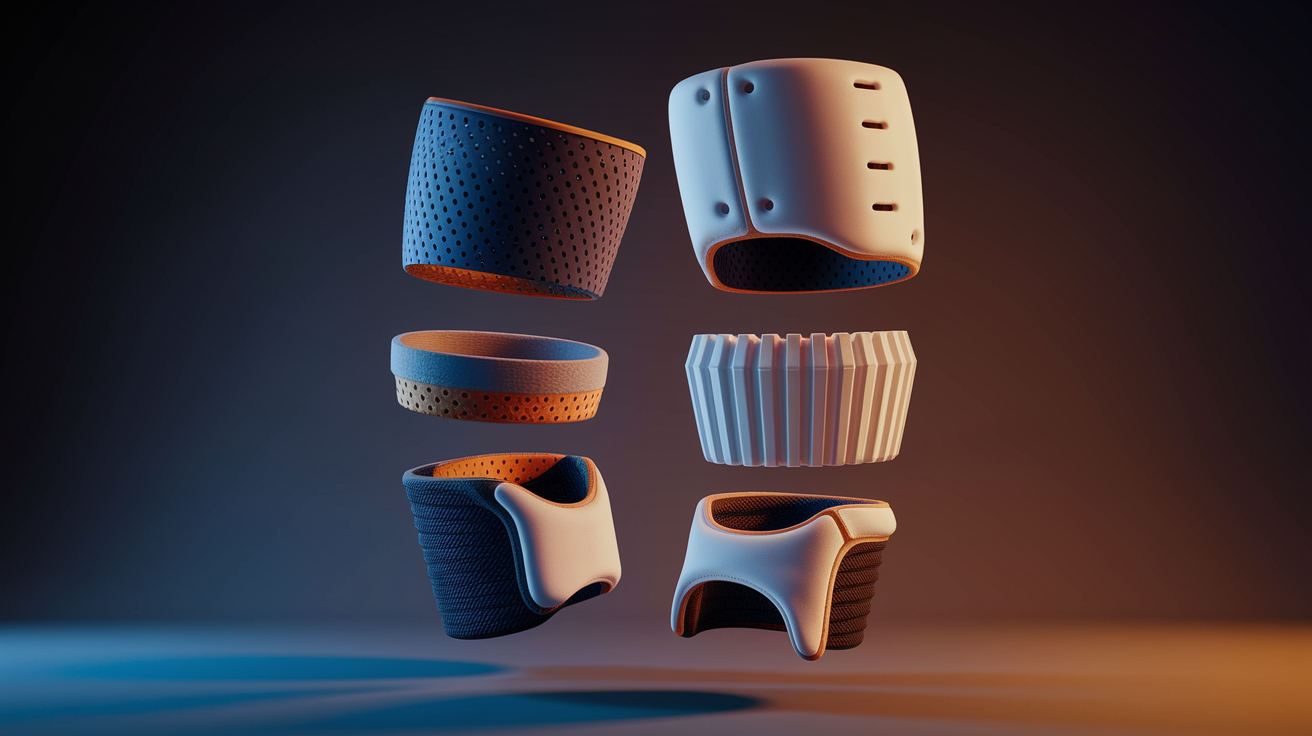
High‑density and dual‑density foams dissipate impact by compressing on contact and returning to shape between shifts. Mobility models use PE inserts and perforated foam to drop mass without losing structural integrity. Protective shells feature anatomical knee caps that contour around your patella and ribbed shot‑guard structures along the shin to deflect puck impacts away from bone.
Materials and construction determine how a guard performs under game conditions. A lighter composite shell flexes slightly on impact, spreading force across a wider surface. A thicker molded knee cap cups the front of your knee, stopping rotation and direct strikes. Advanced foams like Poron XRD and D30 stiffen on impact but stay pliable during normal movement, balancing both goals in mid to high end models.
| Material/Feature | Mobility‑Focused Benefit | Protection‑Focused Benefit |
|---|---|---|
| Composite shell (CURV, X‑Lite Shield) | Reduces overall weight; maintains stiffness at lower thickness | Spreads impact force over larger area; resists cracking under repeated hits |
| Perforated foam liner | Improves ventilation; decreases bulk for tighter fit | Minimal benefit; can reduce total foam volume available for impact absorption |
| Segmented padding (AMP, tapered zones) | Allows independent movement of shin and knee sections; increases stride depth | Can create small gaps where puck may contact unprotected skin or liner |
| Dual‑density foam | Balances weight savings with localized impact zones | Offers graded stiffness; softer outer layer compresses first, denser core stops harder impacts |
| Extended knee wings and calf wrap | Adds rotational mass; can restrict ankle articulation | Shields medial/lateral knee surfaces and entire calf from slashes and deflections |
Model‑to‑Model Comparisons Across Major Brands
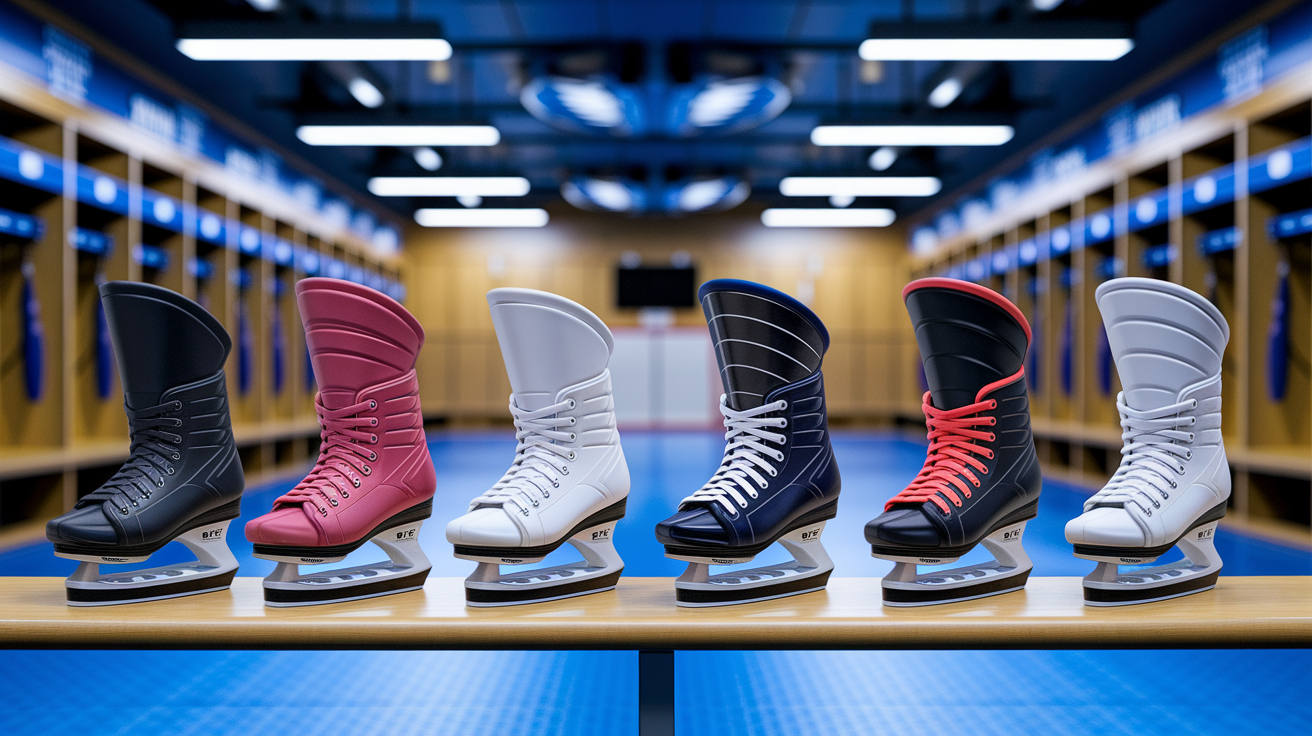
Bauer’s Vapor series is built for agility. Contoured shells and minimal calf coverage drop weight and improve forward flex. The Vapor FlyLite features an X‑Lite Shield shin cap and CURV composite calf guard, keeping the pair light while maintaining impact resistance on the shin and outer leg. Bauer Supreme emphasizes full coverage with thicker molded knee caps and extended calf protection, trading a small amount of weight for better defense against shots from the point and slashes along the boards. If you skate east‑west and rarely block shots, Vapor’s the faster choice. If you anchor the slot or defend the blue line, Supreme delivers more passive protection.
CCM’s Jetspeed line favors light construction and anatomical fit. The Jetspeed FT8 Pro uses an anatomical JDP kneecap, Zotefoam shin cap, and AER‑TEC ventilation ports to cool your leg without adding bulk. CCM Tacks uses reinforced shielding along the tibia and knee, offering compression‑molded impact foam and D3O Zero technology to disperse energy on contact. Tacks models often include ADAPTFIT+ adjustable straps, letting you customize fit and lock the guard in place during physical play. Jetspeed suits fast‑paced forwards who change direction quickly. Tacks suits defensemen and net‑front players who absorb contact shift after shift.
When comparing models side by side, consider these six tendencies:
- Bauer Vapor uses the lightest shells and narrowest ankle profiles across senior sizes.
- Bauer Supreme adds knee depth and thicker calf wrap. Slightly heavier but more protective on lateral impacts.
- CCM Jetspeed prioritizes ventilation and anatomical knee geometry for natural movement.
- CCM Tacks integrates shot‑blocking zones with molded foam and adjustable strapping for a custom lock.
- Warrior Alpha Pro balances mobility and protection using compression‑molded EVA IMPAX foam and Fantom Stretch straps.
- Easton models (Stealth, Mako) historically run longer in length. Check current‑generation fit if you’re switching from another brand.
Brand Line Tendencies
Each major brand organizes product families around mobility or protection priorities. Bauer splits its catalog into Vapor (mobility), Supreme (protection), and Nexus (balanced fit). CCM separates Jetspeed (mobility) from Tacks (protection). Warrior positions Alpha as a hybrid, offering mobility‑focused construction with reinforced impact zones for players who want speed without giving up coverage. Understanding these family structures helps you narrow choices quickly. Pick the brand line that matches your on‑ice role, then select the model tier that fits your budget and feature preferences.
Fit, Weight, and Anatomical Movement Considerations
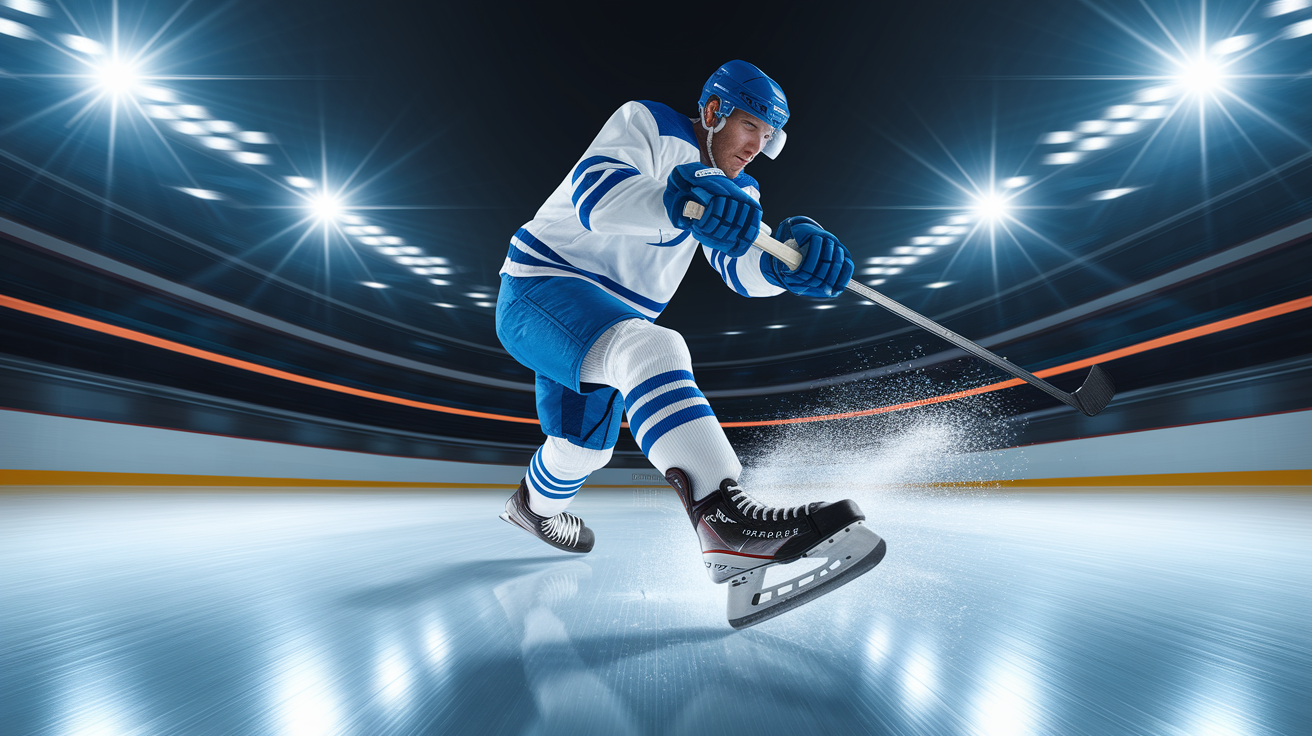
Weight differences between mobility and protection models can influence stride length and acceleration over a full game. A 100‑gram reduction per leg translates to less effort on each push, which matters during the third period or overtime shifts when fatigue sets in. Deeper knee donuts provide stability by cradling the patella and limiting side‑to‑side wobble, but they can also restrict lateral rotation when you pivot or transition from forward to backward skating. Tapered profiles allow quicker transitions by reducing the distance between your leg and the shell, improving responsiveness when you change direction.
Incorrect fit can wreck both protection benefits and skating efficiency. A guard that sits too high exposes the top of the skate boot to slashes. One that sits too low bunches under the knee and restricts flexion. If the calf strap’s too loose, the guard rotates during crossovers, leaving gaps along the inner shin. If the knee strap’s overtightened, circulation decreases and discomfort increases, pulling focus away from the play. Measure from the center of your kneecap to the top of your skate boot with your knee bent at 90 degrees, then match that measurement to the manufacturer’s size chart and verify the guard stays in place during a full skating stride before committing to a purchase.
Recommendations by Player Type and Playing Style
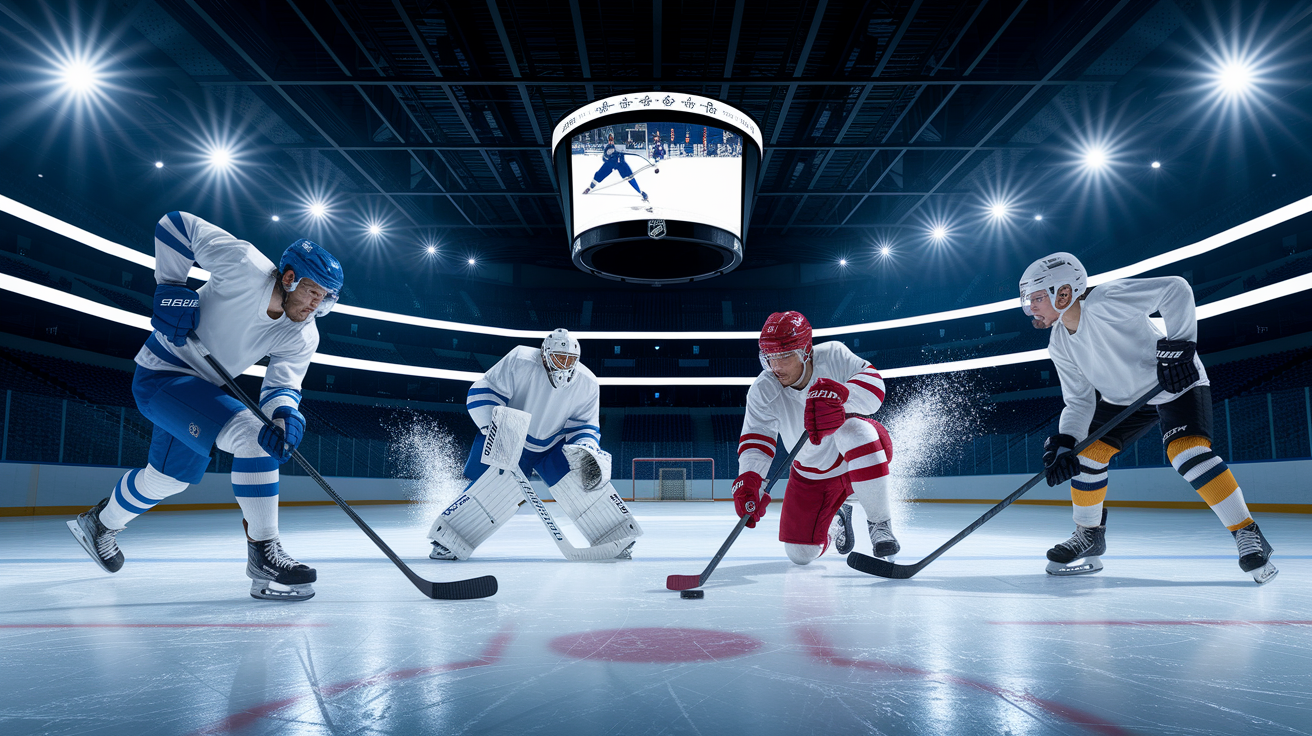
Forwards generally prefer lighter guards that allow full ankle articulation and fast starts. Defensemen benefit from reinforced shells and extended knee coverage to handle heavy traffic in front of the net and absorb shots from the point. Shot‑blocking specialists require maximum tibia and knee protection, often selecting guards with thicker foam layers and composite caps even if it adds weight. Youth players need balanced padding that protects growing bones without restricting natural skating development or adding unnecessary bulk that fatigues smaller legs.
| Player Type | Recommended Features |
|---|---|
| Forwards | Low‑profile shell; segmented padding; lightweight composite materials; ventilated liner; narrow ankle wrap for tucking under skate tongue |
| Defensemen | Deeper knee cap; extended calf wrap; reinforced shot‑blocking zones; adjustable strapping; thicker HD foam along tibia and medial/lateral knee |
| Shot‑blocking specialists | Maximum tibia coverage; molded knee donut; dual‑density impact foam; composite shell to spread force; full calf guard to protect against deflections |
| Youth players | Balanced weight and protection; removable liner for washing; adjustable straps for growth; adequate knee and shin coverage without excess bulk |
Sizing and Price Ranges for Mobility and Protection Priorities
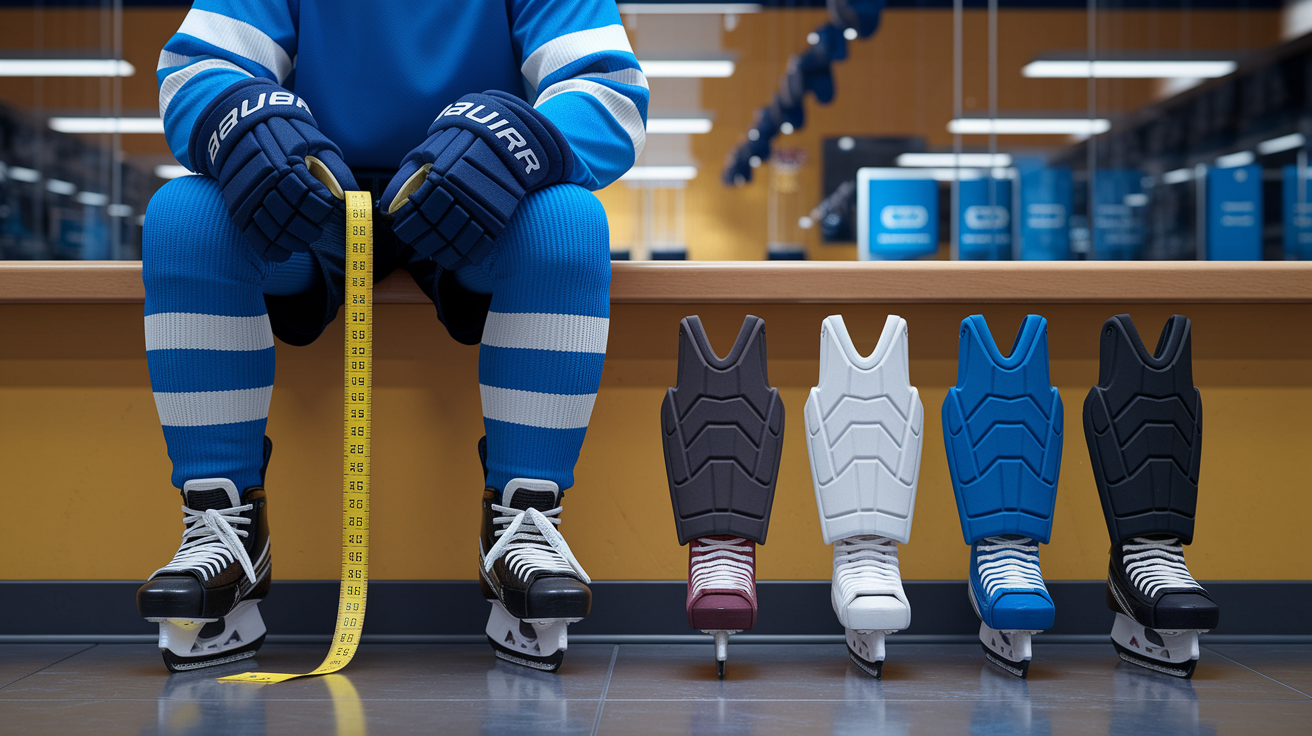
Senior sizes commonly range from 14 to 17 inches, measured from the center of the kneecap to the top of the skate boot. Junior sizes typically span 11 to 13 inches, and youth sizes fall below 11 inches. Always measure with skates on and your knee bent at 90 degrees to ensure the guard covers the knee and ends just above the skate tongue. Round your measurement to the nearest whole inch and cross‑reference the brand’s size chart, since some manufacturers run slightly longer or shorter within the same labeled size.
Mid‑tier models average moderate protection at 30 to 60 percent lower cost than elite pads. Elite pads use advanced foams like Poron XRD and D30, molded composite shells, and integrated ventilation systems that justify higher price points. Budget models sacrifice adjustable strapping and removable liners but still provide adequate protection for recreational play and pond hockey. If you skate a few times per month, a budget guard may last multiple seasons. If you play year‑round club or junior hockey, investing in a performance or elite model reduces injury risk and improves comfort.
Common pricing tiers break down like this:
- Budget (under $100): Hard‑plastic shells, basic foam liners, fixed straps. Suitable for recreational players and beginners who skate infrequently.
- Mid‑tier ($100–$175): Upgraded plastics, molded foams, removable microfiber liners with anti‑microbial treatments. Balances cost and performance for club and high‑school players.
- Performance ($175–$225): Composite shells, dual‑density foams, advanced ventilation, adjustable strapping. Designed for competitive and travel‑team players who skate multiple times per week.
- Elite ($225–$250+): Smart impact foams, CURV composite calf guards, multiple hinge points, high‑tech anti‑odor liners, calf adjustability. Targets advanced junior, college, and professional players who demand maximum protection or mobility without compromise.
Final Words
On the ice, the choice comes down to a simple trade: less weight and more bend versus thicker foam and higher impact absorption. Mobility designs help your stride and quick cuts; protection designs stop harder shots and heavy contact.
We ran through construction differences, model tendencies, fit and sizing, player recommendations, and price tiers so you can narrow the field fast.
Use this comparison of hockey shin guards for mobility vs protection to match your position, style, and risk tolerance. Try gear on, test movement, and don’t ignore a snug knee fit. Pick what fits your game and enjoy skating with more confidence.
FAQ
Q: Which state loves hockey the most?
A: The state that loves hockey the most is widely considered Minnesota, nicknamed the “State of Hockey” for high participation rates, dense rinks, strong high-school programs, and a deep hockey culture.
Q: What shin guards do NHL players use?
A: NHL players use pro-level shin guards from Bauer, CCM, Warrior, and True—often top lines like Bauer Supreme or Vapor, CCM Tacks or Jetspeed, or custom pro models chosen for role and comfort.
Q: Where do you put your weakest player in hockey?
A: You should put your weakest player in a sheltered role—fourth line or third defense pair, on shorter shifts and the wing rather than center, and off special teams while they build confidence.
Q: How to choose hockey shin guards?
A: To choose hockey shin guards, balance mobility versus protection, confirm correct length and snug fit, consider shell and foam type for your position, check weight, and test them on ice or with skates.