

Offside reviews can decide a game — and infuriate half the arena.
You’re offside only when your skate is completely over the attacking blue line before the puck crosses.
But at game speed refs miss plays, so the NHL uses coach challenges, automatic late-game reviews, multiple camera angles, and a Toronto Situation Room.
The key is “clear and conclusive” evidence: if replays don’t show the whole skate over the line, the goal stays.
This piece walks through challenges, the step-by-step review process, and how rulings are reached so you know what officials are actually looking for.
Immediate Breakdown of the NHL Offside Review Process
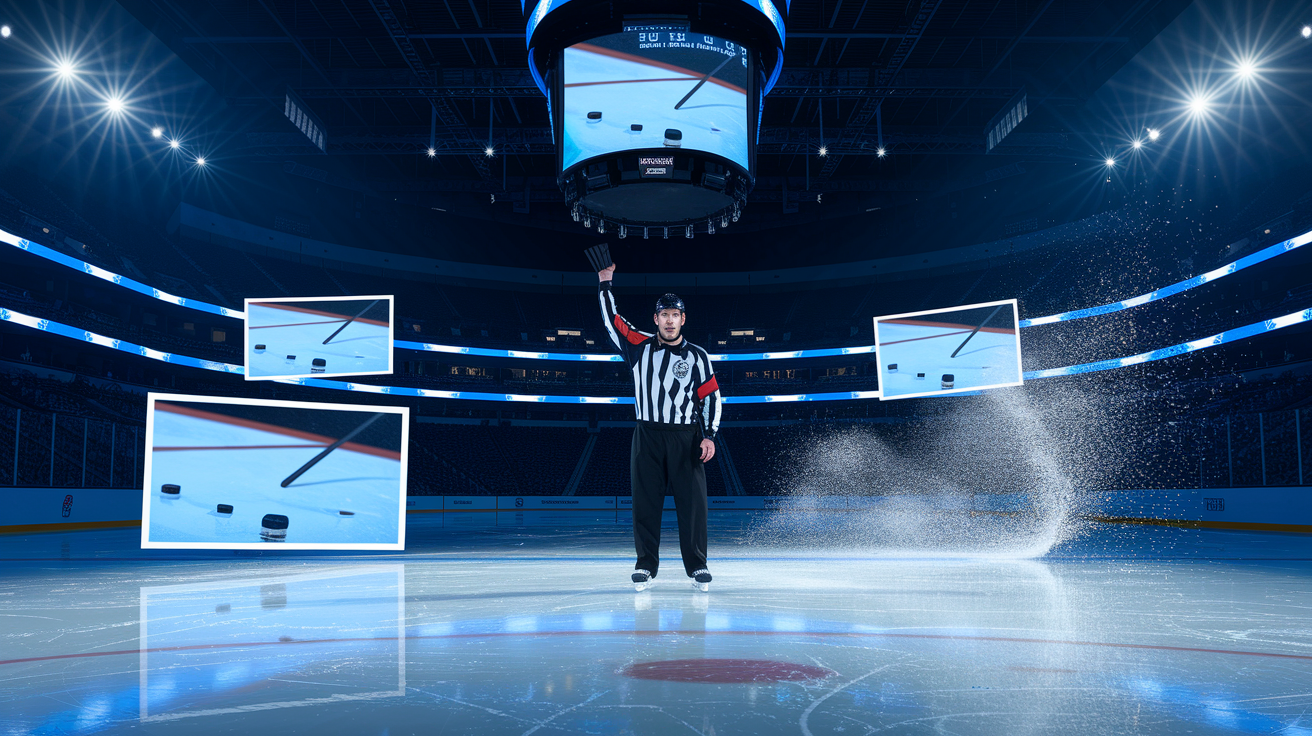
You’re offside if your skate’s completely over the attacking blue line before the puck crosses. That’s it. Reviews exist because officials can’t catch every violation at full speed, and missing one can flip a playoff series.
There are two ways a review gets triggered. Coaches can challenge right after a goal, but they’ve got to signal before the next faceoff, usually within 30 seconds or so. Every goal in the final two minutes of regulation and overtime gets reviewed automatically by the NHL Situation Room in Toronto. Coaches can’t challenge during those windows.
Officials need “clear and conclusive” visual proof to overturn a goal. If they can’t see the entire skate over the line before the puck, the call stands. Most reviews wrap up in 15 to 90 seconds. Complex plays with tough angles? Those can stretch to two or three minutes.
Here’s how the full review works:
- On-ice officials signal the goal and either take the coach’s challenge or wait for automatic review confirmation.
- Video officials grab multiple camera angles and start going frame by frame on puck position and where the skates are at the blue line.
- Replay staff use freeze-frames and virtual blue line overlays to pin down the exact moment the puck and skates crossed.
- The Situation Room confirms or advises what the call should be, based on conclusive evidence.
- On-ice officials announce whether the goal stands or gets waved off, then play resumes with the appropriate faceoff.
Offside Rule Details Used in NHL Video Review Judgments

Any part of your skate touching the blue line keeps you onside. Your entire skate has to be fully beyond the line into the offensive zone to be offside. Officials look at where the blade contacts the ice right when the puck crosses the blue line.
The puck must completely cross before any attacking player’s skate enters. One frame showing the puck still on the line when a skate’s already inside? That’s offside. If the puck and skate cross at the same time, you’re onside. Tie goes to the attacker.
Tag-up rules let an offside player get back in legally. If you’re offside, you’ve got to leave the zone completely and get back to the neutral zone before you touch the puck or join the play. Officials review whether your skate got back to or behind the blue line before you rejoined.
Defensive possession exceptions matter. NHL Rule 83.1 lets play continue if a defending player legally carries or passes the puck back into their own zone, even if attacking players are already inside. Officials separate a deflection off a defender (which doesn’t negate offside) from a deliberate play where the defender controlled the puck and chose to move it backward.
Camera Angles and Technology Used in NHL Offside Reviews
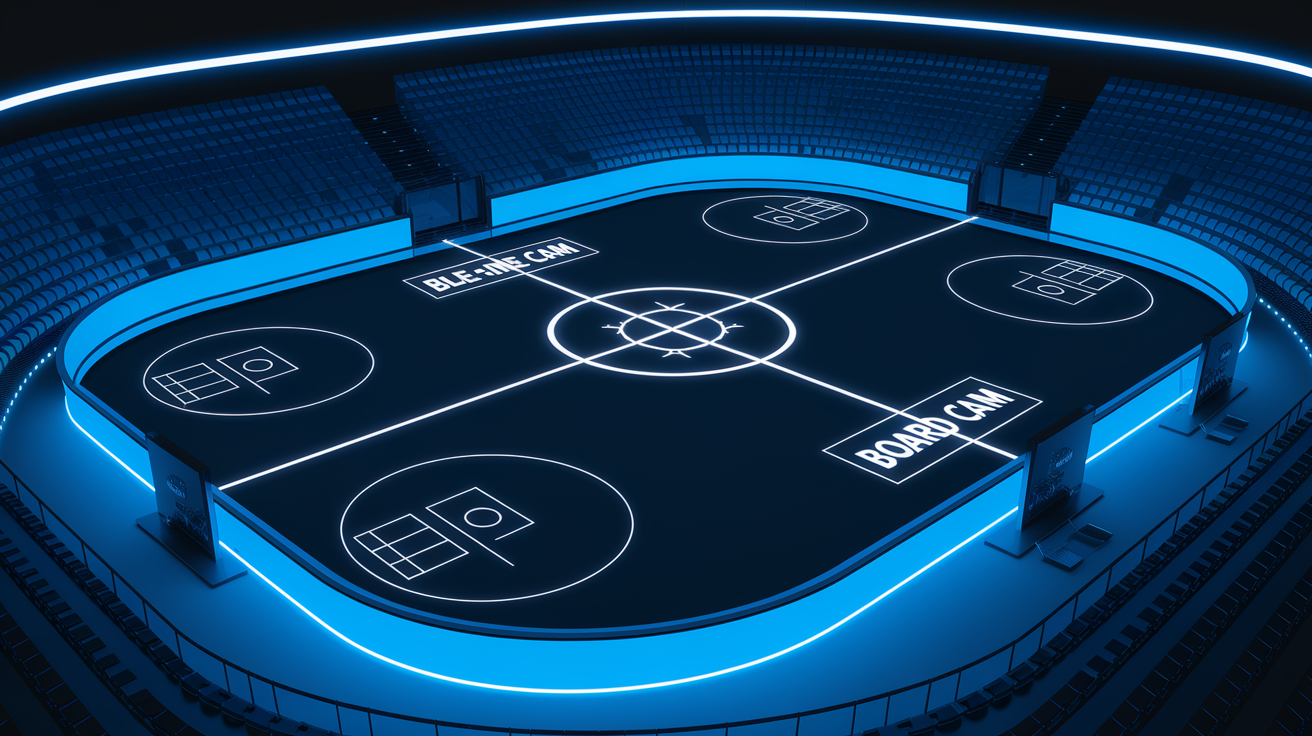
The NHL uses six primary camera systems to capture offside evidence. Each angle gives different perspectives on skate position, puck location, and the blue line at the moment of zone entry.
Officials rely on these six angles:
- Overhead/skycam positioned directly above the blue line, showing the full width of the ice and skate positions
- Blue-line camera mounted low along the boards at ice level, capturing skate contact and puck crossing from the side
- Behind-the-net/goal camera offering a frontal view of zone entry
- High corner camera providing a diagonal sightline across the blue line
- Center ice broadcast camera showing the full play sequence
- Backup/secondary board cameras filling gaps when primary angles are blocked
Replay officials use freeze-frames and digital overlays to make precise calls. A virtual blue line gets superimposed on the video to eliminate parallax distortion and give a consistent reference. Frame-by-frame analysis isolates the exact moment the puck crosses and compares it to each attacking player’s skate position. Multi-angle confirmation is required. If only one camera shows a potential offside but other angles are inconclusive or contradictory, the goal typically stands.
Coach’s Challenge and Review Timing Rules
Coaches must signal their challenge before the next faceoff. That gives them roughly 30 seconds from the goal to check with video staff and decide. The coach notifies the referee, who stops the clock and starts the review.
Failed challenges carry penalties. If the review upholds the goal, the challenging team loses their timeout for that game. If they’ve already used their timeout, an unsuccessful challenge means a two-minute bench minor for delay of game. This discourages frivolous challenges and forces teams to weigh the risk.
Automatic reviews in the final two minutes and overtime take the coach’s option away entirely. The league reviews every goal in those situations, and teams can’t use their challenge. This makes sure critical late-game goals get scrutinized without forcing coaches to gamble timeouts in high-pressure moments.
| Challenge Type | Consequence if Incorrect |
|---|---|
| Coach’s challenge with timeout remaining | Loss of timeout for remainder of game |
| Coach’s challenge with no timeout remaining | Two-minute bench minor penalty for delay of game |
| Automatic review (final 2 min/OT) | No penalty—league-initiated review |
How Officials Decide: Conclusive vs. Inconclusive Evidence
Officials must see clear visual proof to overturn the on-ice goal call. Conclusive evidence means multiple angles show the same violation: an entire skate over the blue line before the puck crosses. If any reasonable doubt exists, the original call stands. This high bar protects against overturning goals on marginal plays that didn’t really affect the scoring sequence.
Conflicting angles frequently result in upheld goals. Camera parallax, blocked sightlines, and timing mismatches between feeds create situations where one angle suggests offside while another doesn’t confirm it. In those cases, lack of conclusive evidence means the goal counts.
Four common review outcomes show how the conclusive-evidence standard works:
- Overturned goal: multiple clear freeze-frames from different angles all show an attacking skate fully across the blue line before the puck. No ambiguity.
- Upheld goal: replays show the puck crossing the line at the same time as or before the skate, or angles are too tight to confirm the entire skate crossed first.
- Upheld on inconclusive evidence: one angle suggests possible offside, but other cameras can’t confirm it, so the original ruling stands.
- Tag-up ruling: player was initially offside but legally exited and re-entered the zone before participating, making the goal valid.
Real Offside Review Examples Influencing Modern NHL Policy
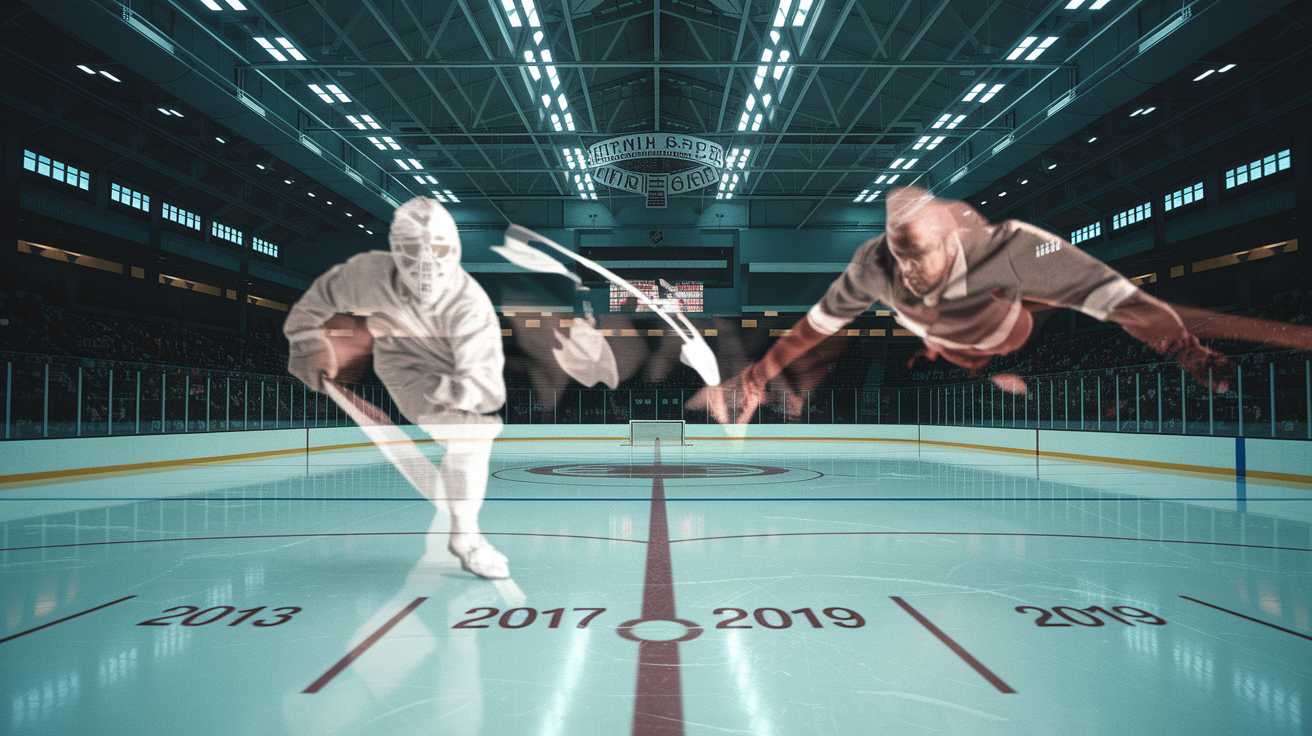
On February 18, 2013, at Denver’s Pepsi Center, Matt Duchene scored a goal that was clearly offside but stood. Attendance that night was 15,099. Less than four minutes into the second period, Duchene was well over the blue line when a deflection sent the puck back toward him. Defenders never had clear possession, making the play offside under Rule 83.1, but officials missed it. The Matt Duchene offside incident drew immediate backlash and is widely credited with pushing the NHL to adopt the coach’s challenge before the 2014-15 season.
In Game 1 of the 2017 Stanley Cup Final, P.K. Subban’s goal at 7:13 of the first period was overturned on offside review. Replay showed a teammate’s skate fully across the blue line before the puck entered the zone. The Predators lost that game and eventually the series. Analysts pointed to the overturned goal as a momentum shift that altered the trajectory.
The 2019 playoffs saw another high-stakes overturn in the second round, Game 7. Gabriel Landeskog scored for Colorado, but video review revealed a teammate’s skate was over the blue line during zone entry. The goal was disallowed, and Colorado lost 3-2. The play showed how millimeter-level precision in offside review can decide elimination games.
How the NHL Situation Room Oversees Offside Reviews
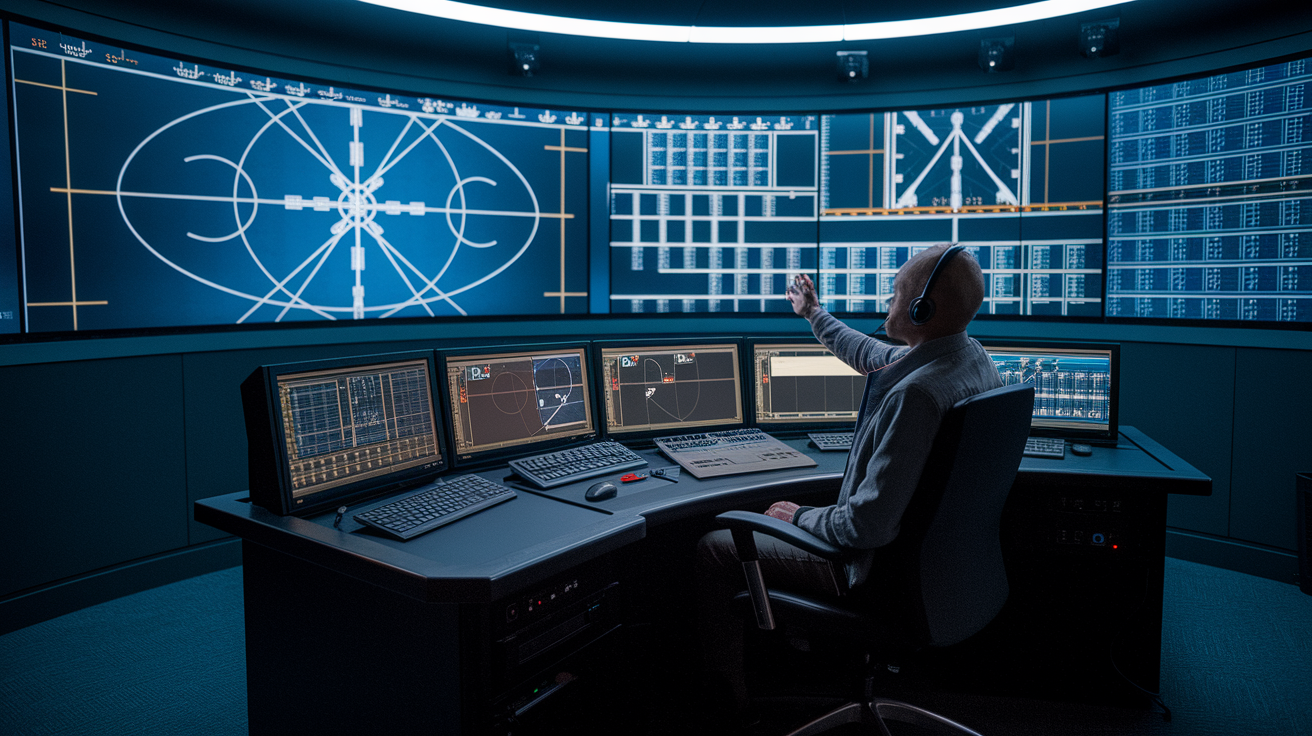
The NHL Situation Room in Toronto serves as the centralized review authority. A team of officials monitors all games at once, pulls video feeds from every arena, and either confirms on-ice decisions or advises referees when conclusive evidence exists. This centralization creates consistency across all 32 teams and standardizes the angles and technology used in every review.
On-ice referees still announce the final ruling, but the Situation Room provides the definitive analysis. Communication happens via headset, with replay officials describing what the video shows and whether the evidence meets the conclusive standard. The on-ice referee then relays the decision to both teams and the arena.
The Situation Room’s responsibilities include:
- Pulling and reviewing all available camera angles from the arena’s video system
- Applying digital overlays and frame-by-frame analysis to determine skate and puck positions
- Confirming whether evidence is conclusive enough to overturn the on-ice call
- Communicating the final determination to on-ice officials for public announcement
Common Offside Review Mistakes and Misunderstandings
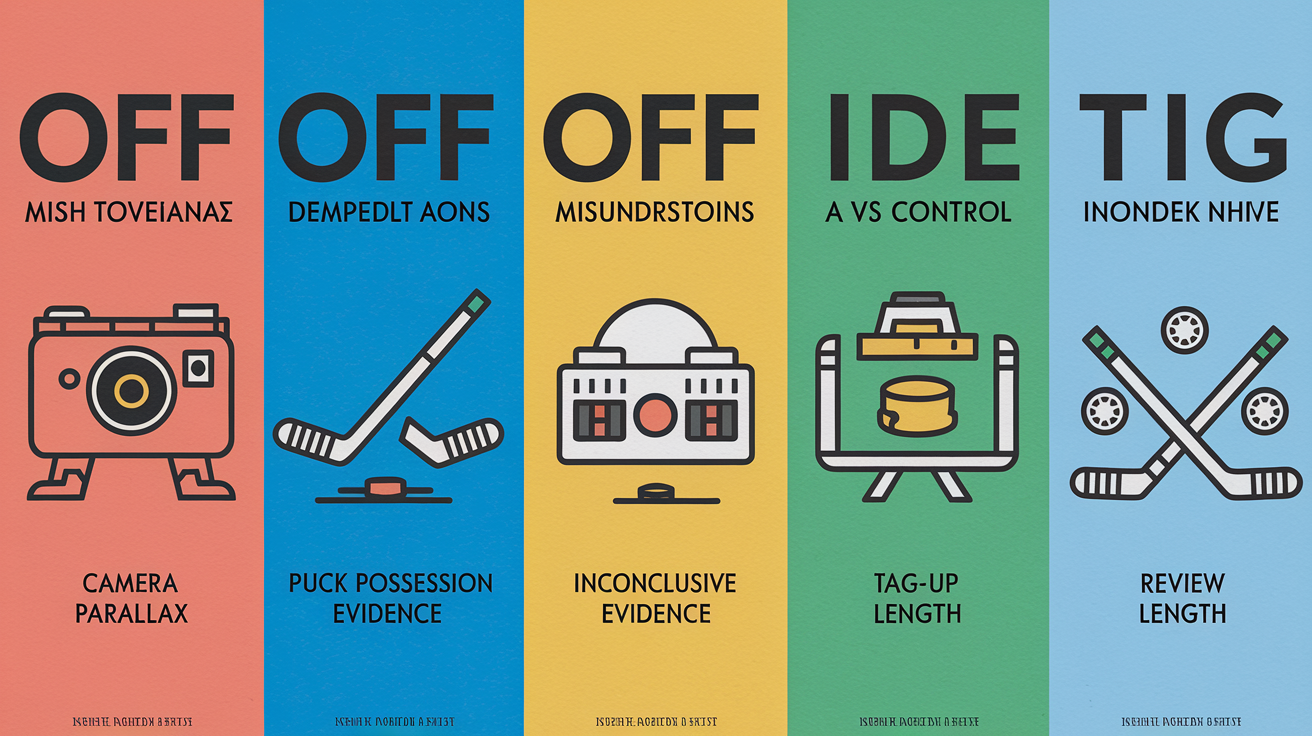
Fans often misread camera parallax and think a player’s offside when the angle distorts the true position. A camera positioned off-center from the blue line makes skates appear farther over the line than they actually are. Without the virtual overlay, it’s easy to misjudge whether the skate’s touching the line or fully beyond it.
Confusion between puck possession and puck control also causes misunderstandings. A deflection off a defender’s stick or body doesn’t give that defender possession, so attacking players already in the zone remain offside. Only when a defender deliberately plays the puck (controlling it and choosing to pass or carry it backward) does the offside reset.
Five frequent misunderstandings:
- Believing any contact with the blue line by the puck keeps players onside, when the puck must completely cross first
- Thinking a defending player touching the puck always negates offside, ignoring the possession vs. deflection distinction
- Misinterpreting inconclusive evidence as a “wrong call,” when the standard requires conclusive proof to overturn
- Assuming tag-up only requires touching the blue line, when a player must fully re-establish position in the neutral zone
- Expecting all reviews to produce clear answers, when camera limitations and angles genuinely prevent conclusive rulings on some plays
Potential Improvements for How NHL Offside Review Works

Integrating player and puck tracking data into reviews could provide objective timing. Real-time x/y coordinates captured by the league’s tracking system would timestamp exactly when the puck crossed the blue line and when each skate entered the offensive zone. This would remove ambiguity in many borderline cases. The technology already exists for analytics and could be applied to officiating without relying solely on camera angles.
Standardized replay angles and clearer rule language would reduce subjectivity. Publishing a fixed set of required camera positions for every arena and defining “tag-up” and “onside” with precise visual criteria would create consistency. Right now, arena-specific camera setups and slight interpretation differences between officials produce uneven outcomes across games.
Mandating a maximum review window would improve game flow and fan experience. A 60-second cap on routine offside reviews would force officials to make decisions with available evidence and avoid exhaustive frame-by-frame searches that take two or three minutes. If conclusive evidence can’t be found quickly, the original call should stand. Transparency improvements (displaying replay angles and a short explanation on arena and broadcast screens) would help fans understand rulings in real time rather than waiting for intermission analysis.
Final Words
In the action, we broke down the offside basics: skate position vs. the blue line, puck timing, and why reviews exist.
We explained triggers (automatic late‑game reviews and coach’s challenges), what officials need to see (conclusive evidence, tag‑up, defensive possession), the camera angles and Situation Room role, plus common replay mistakes.
That’s how NHL offside review works in real time—strict standards, multiple angles, and room for tech fixes. Learn it, watch smarter, and trust the process.
FAQ
Q: Can you review offsides in hockey?
A: Offsides can be reviewed in the NHL using video replay; goals are automatically reviewed and coaches may challenge before the next faceoff, with officials seeking conclusive evidence of skate or puck position.
Q: Is the number 69 banned in the NHL?
A: The number 69 is not banned in the NHL; teams or players sometimes avoid it for optics, but the league has no formal rule prohibiting jersey numbers.
Q: What is the Wayne Gretzky rule?
A: The Wayne Gretzky rule is the NHL’s leaguewide retirement of number 99, meaning no player may wear 99 after the league retired it to honor Gretzky’s career.
Q: What is the rarest penalty in hockey?
A: The rarest penalty is the match penalty, given for deliberate attempts to injure; it’s uncommon because it ejects the player and requires clear intent to harm.