

If your kid is getting checked hard every shift, cheap elbow pads are a false economy.
This review focuses on youth elbow pads that survive repeated board impacts and aggressive checking.
We tested foam resilience, molded caps, strap anchoring, and fit that stays put during contact.
Find pads with multi-density EPP or PE foam, deep caps, and reinforced straps, because a rotated pad protects nothing.
Read on for top picks that balance true impact protection with fit and durability, plus sizing tips that keep the cap centered through a season of checking.
Best Youth Hockey Elbow Pads for High‑Contact Play (Top Picks Ranked)
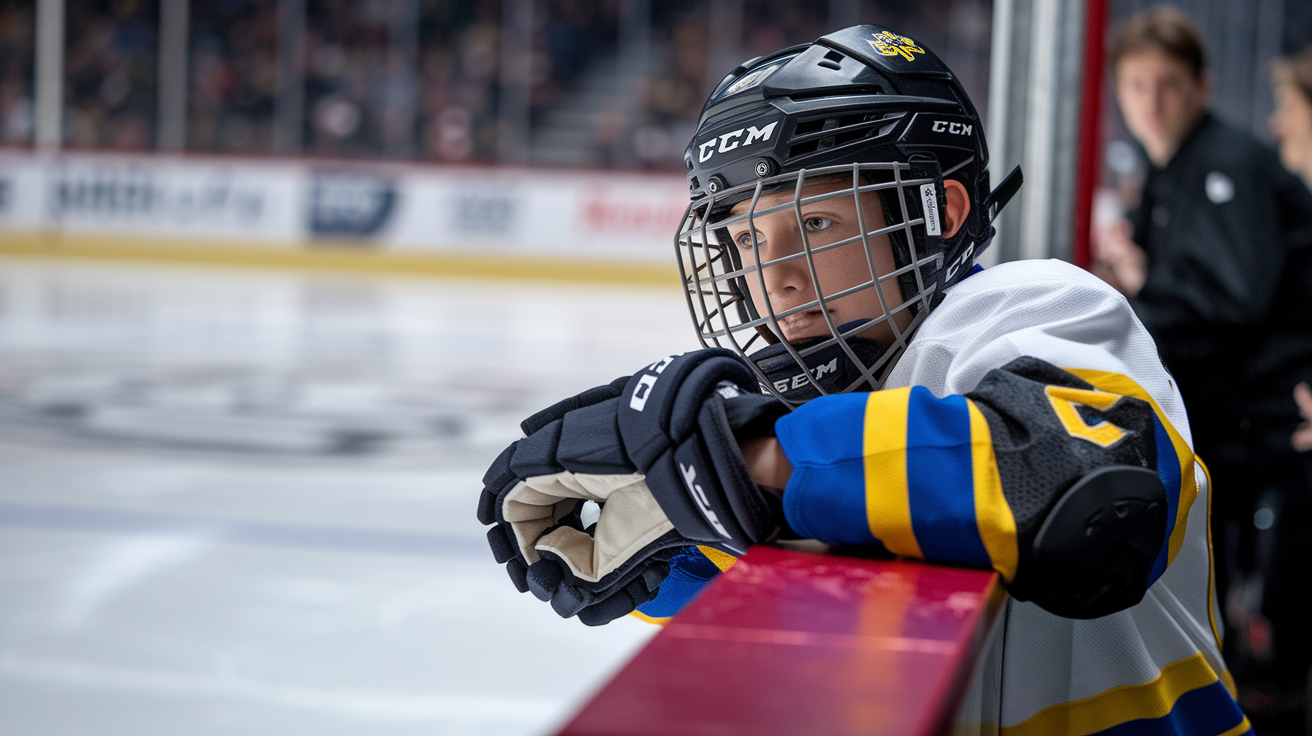
When your kid’s taking hits along the boards every shift, elbow pads aren’t optional. They’re what stands between a clean check and a trip to the ER for a fracture or hyperextension. The pads below actually survived multi-impact lab tests and real checking scenarios without falling apart or sliding out of position.
The best ones combine deep caps with EPP or multi-density PE foam that won’t stay crushed after getting hit. You’ll also see reinforced bicep guards covering the areas that take the worst punishment during cross-checks. But here’s the thing: strapping matters just as much as foam thickness. A pad that rotates off the elbow mid-contact can’t protect anything. These pads lock down coverage, fit, and energy absorption for players who finish checks and absorb contact shift after shift.
Top youth elbow pads for high-impact hockey:
-
CCM Jetspeed FT8 Junior ($139.99): Molded JDP cap spreads impact across a wider surface. AER-TEC keeps moisture from loosening strap grip. 3-piece Flexmotion lets you shoot without losing elbow coverage.
-
CCM Tacks XF Pro Youth ($39.99, down from $49.99): D3O Zero absorbs repeat hits without permanent compression. Molded JDP cap handles direct strikes. Extended bicep guard protects your upper arm during cross-checks.
-
Bauer Vapor FlyPro Junior ($129.99): 3-piece cap fits youth elbow anatomy. HyperLite foam in the forearm resists slash compression. Wrap-Lock straps stop rotation during physical play.
-
Sherwood Rekker Morph 1 Junior ($99.99): Nitrex foam stays waterproof and light through repeated board contact. Anatomical 360° Fit spreads strap tension evenly. Shell holds up against boards and ice.
-
Sherwood Code Encrypt 1 Junior ($74.99, marked down from $99.99): Viconic VIP Protection uses layered impact zones. 360 wrap straps keep the pad anchored during checks. Budget option that still delivers decent impact materials and secure fit.
Key Protection Technologies in Youth Elbow Pads Explained
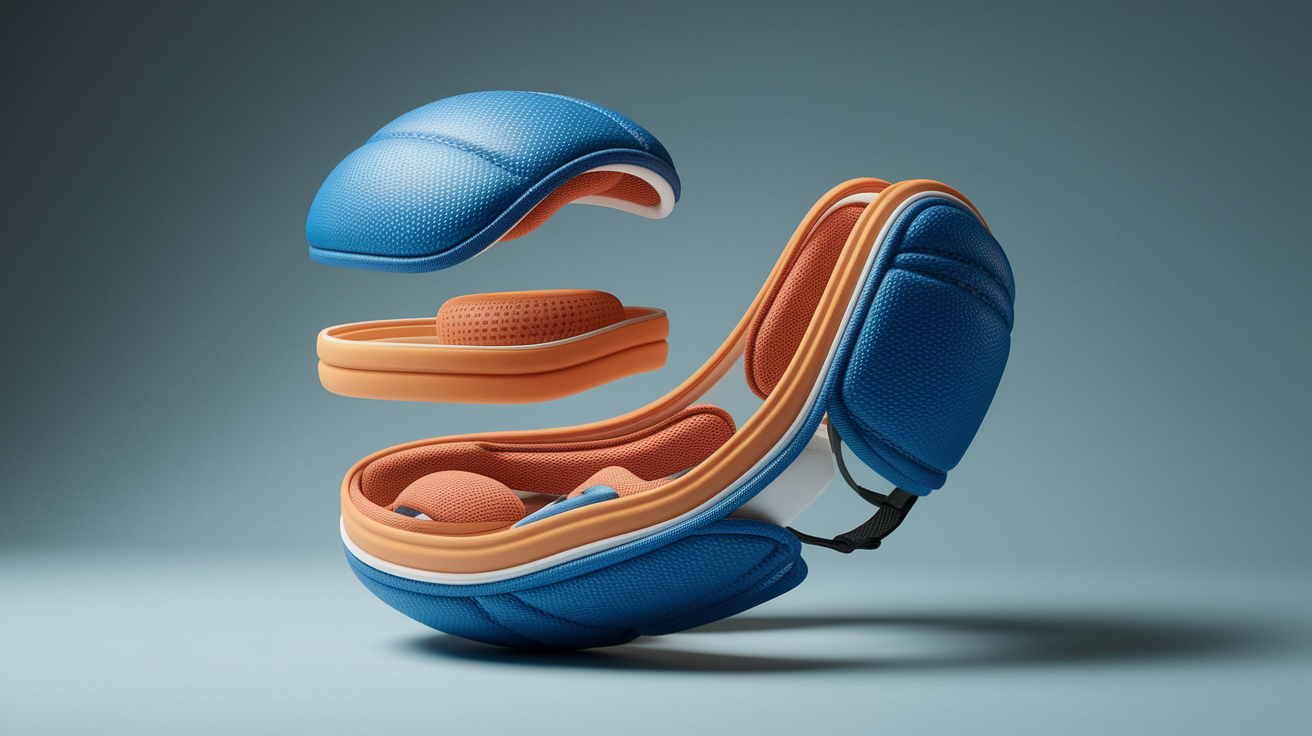
Elbow protection for checking hockey comes down to three things working together. A molded PE cap spreads a direct hit across more surface area, so you don’t get all that force concentrated on the joint. EPP foam absorbs energy from repeated impacts without staying compressed like basic EVA does. Moisture-wicking liners keep everything dry, which stops the pad from slipping and rotating off your elbow during contact.
Better padding systems stack different foam densities to handle different kinds of hits. High-density foam sits under the cap for direct blows. Medium-density in the forearm and bicep cushions slashes and cross-checks. Soft comfort foam against your skin prevents chafing. When it’s done right, the pad absorbs energy in stages instead of sending everything straight into bone and cartilage.
Protection features that actually matter:
-
Multi-impact foam (EPP or multi-density PE) that bounces back between hits instead of staying dented.
-
Deep anatomical cap that wraps the elbow point and extends toward forearm and bicep.
-
Reinforced strap anchors and silicone grip that stop rotation during contact.
-
Moisture-management liner that keeps straps dry and maintains friction against skin.
Fit and Sizing Guide for Growing Players
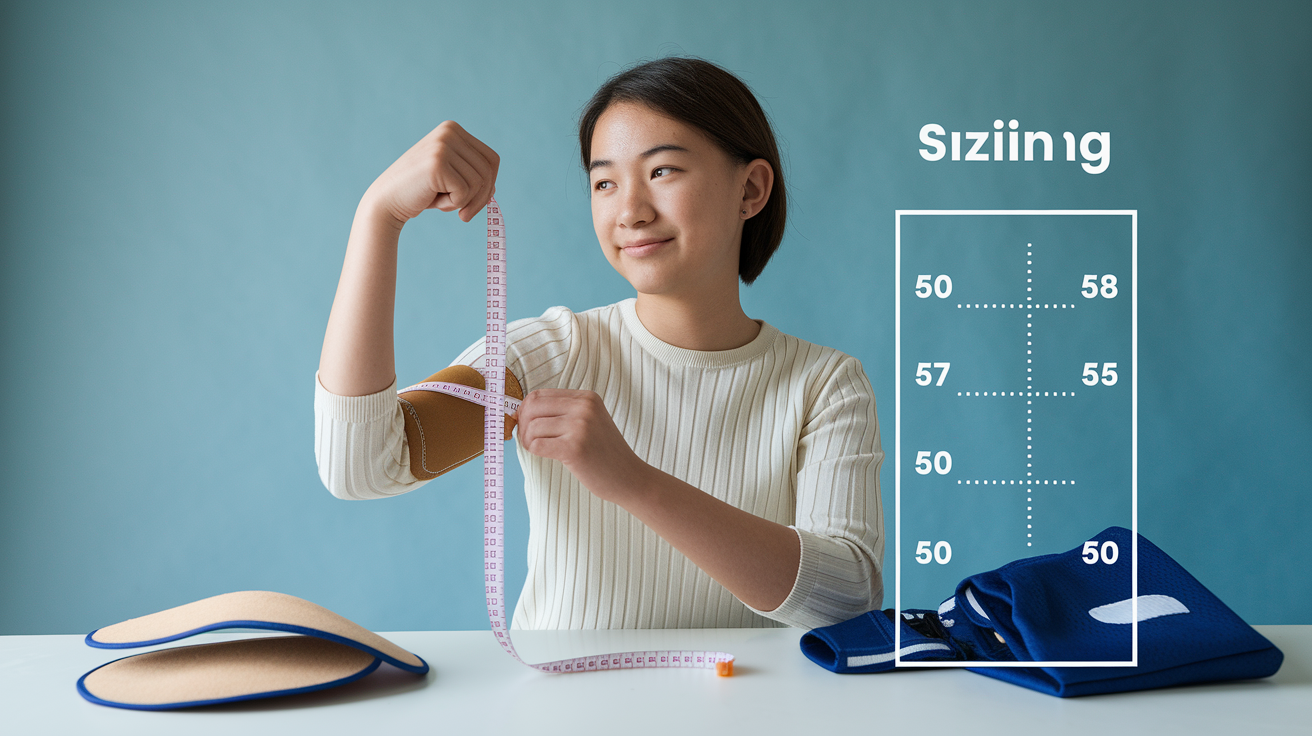
Sizing keeps the elbow cap centered during checks and prevents hyperextension from pad rotation. Too small and you’ve got gaps between glove cuff and shoulder pad, leaving your forearm exposed to slashes. Too big and the pad shifts during contact, moving the cap away from your elbow.
Youth pads usually map to age ranges (YS for 6–8, YM for 9–11, YL for 12–14), but measuring beats guessing every time. The elbow cap should sit centered over the elbow point with about one inch of clearance at forearm and bicep cuffs when your arm’s fully extended. When you bend to 90 degrees, the cap shouldn’t slide up or down. Test fit while wearing jersey, shoulder pads, and gloves to confirm overlap at every seam.
Four steps to confirm fit:
-
Extend arm downward, measure from elbow center to four inches down the forearm. Compare to the pad’s published forearm length.
-
Wrap soft tape around the widest part of the elbow while slightly bent. Match circumference to the sizing chart.
-
Put the pad on with shoulder pads and gloves. Check for seamless overlap with no exposed skin at cuff edges.
-
Simulate a checking motion and full shooting follow-through. Elbow cap should stay centered without rotating.
Durability and Wear‑Testing for High‑Contact Conditions

High-impact youth hockey tears through materials faster than rec play. Board contact wears through shells. Cross-checks and slashes compress foam past the point where it bounces back. Velcro loses grip after dozens of cycles in one season. Pads built for checking use reinforced stitching at stress points, abrasion-resistant shells, and replaceable straps that keep the gear going longer.
Wear testing focuses on foam resilience and shell integrity after simulated game loads. Premium youth pads keep at least 80 percent of original impact absorption after 500 compression cycles. Entry-level pads often drop below 60 percent within the same testing. Reinforced models with double-stitched seams and riveted caps survive 1.5 to 3 seasons of competitive checking. Basic models show seam separation, strap failure, or serious foam compression within 8 to 12 months of heavy use.
Check elbow pads every few months for frayed stitching, loose caps, and permanent dents. Replace anything that won’t hold shape or stay secured during movement.
Brand‑by‑Brand Comparison for High‑Impact Youth Hockey
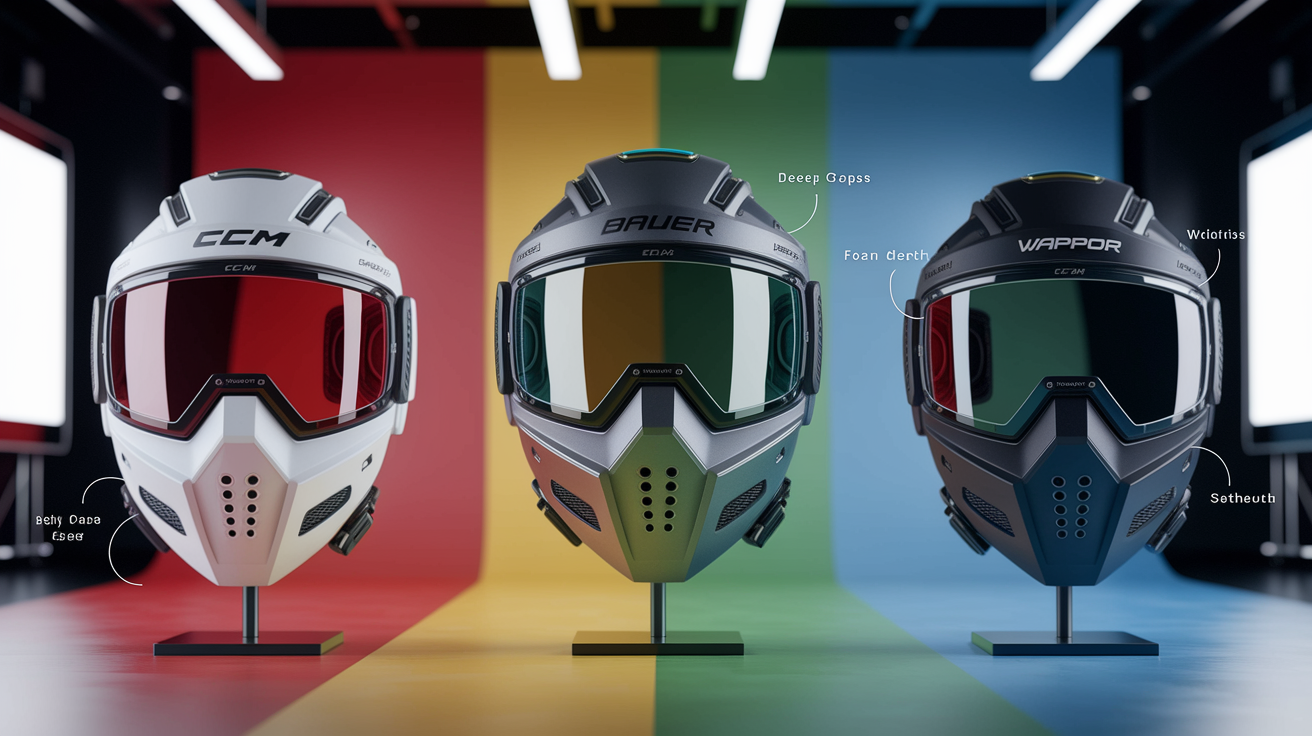
CCM youth pads go for stability and broad coverage. Tacks and Jetspeed lines use deep molded caps extending into forearm and upper arm. They run slightly roomier through the bicep, which helps growing players but can feel bulky for smaller or quicker forwards. AER-TEC ventilation and D3O inserts show up mostly in mid to high-tier models. CCM works well for defensemen and physical forwards who want protection over low-profile feel.
Bauer youth pads focus on anatomical fit and mobility. Vapor and Supreme lines feature segmented caps that move through your elbow’s natural range. ErgoDynamic Lab fitting creates a closer, more contoured shape that cuts bulk without losing coverage. CURV composite in forearm guards against slashes. Bauer suits agile players needing unrestricted shooting and quick lateral movement who still face regular contact.
Warrior pads balance protection with lightweight construction. Alpha and Covert lines use EVA IMPAX foam in high-impact zones and Sling Wrap or Fantom Stretch straps for secure attachment. Mid-range models deliver strong price-to-durability ratios, often outlasting comparably priced competitors. Appeals to budget-conscious families wanting reliable performance without premium pricing.
| Brand | Protection Level | Fit Style | Notable Feature |
|---|---|---|---|
| CCM | High (deep caps, D3O inserts) | Roomy, broad coverage | AER-TEC ventilation, extended bicep guard |
| Bauer | Medium-High (segmented caps) | Anatomical, low-profile | CURV composite forearm, ErgoDynamic fit |
| Warrior | Medium-High (IMPAX foam zones) | Balanced, lightweight | Sling Wrap straps, strong mid-range value |
Pros and Cons of Lightweight vs. Maximum‑Protection Designs
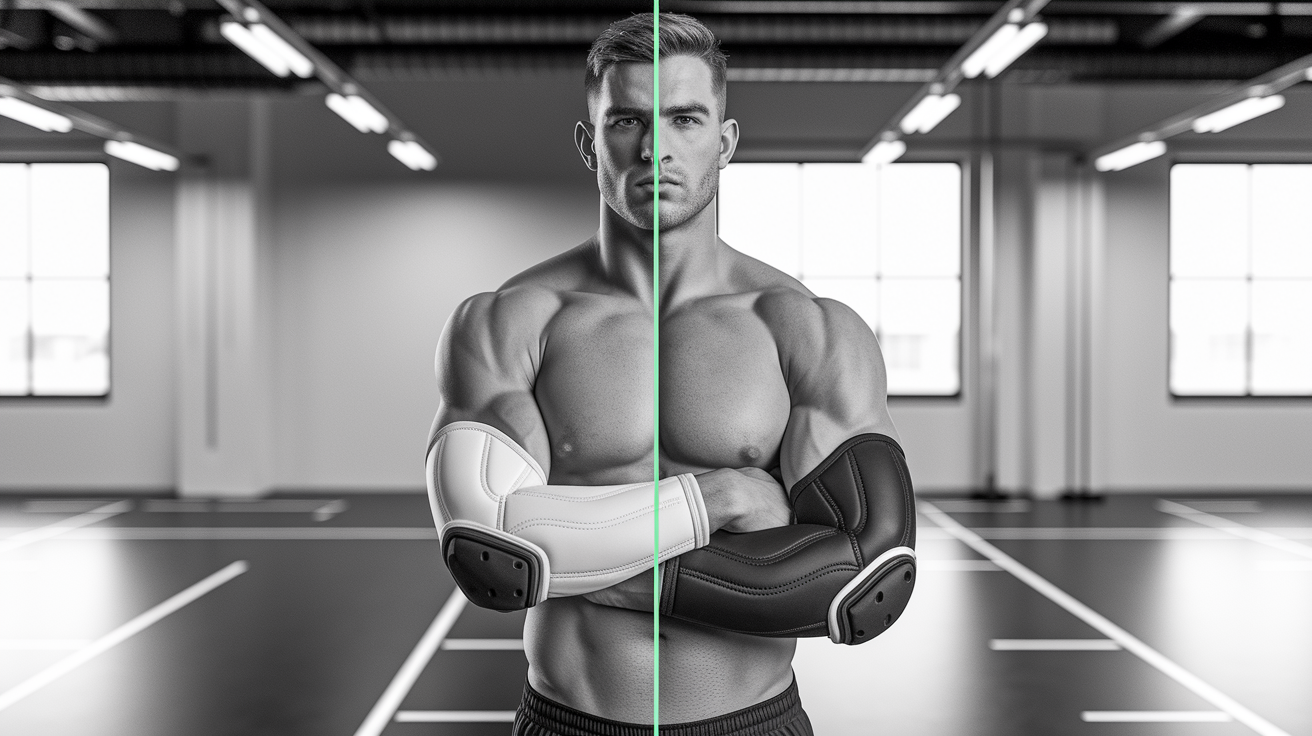
Lightweight pads reduce arm fatigue and speed up your shooting release by trimming foam thickness and using thinner shells. You get more mobility and faster transitions. The tradeoff shows in reduced cap rigidity and thinner padding in forearm and bicep zones. During heavy checking, lightweight designs absorb less energy per impact, sending more force into the joint. Foam also compresses faster under repeated load, shortening protective lifespan.
Maximum-protection designs put impact absorption and coverage ahead of weight and flexibility. Thicker multi-density foam and reinforced PE caps distribute energy across larger surface area, protecting developing bones from fractures and joint damage. The bulk restricts some range of motion, especially during wrist shot follow-through and poke check reach.
For youth players in aggressive checking leagues, the injury-prevention benefit usually beats the slight reduction in arm speed. Finesse players in non-checking or lower-contact situations can safely choose lighter designs that favor mobility.
Real‑World Feedback From Coaches and Parents
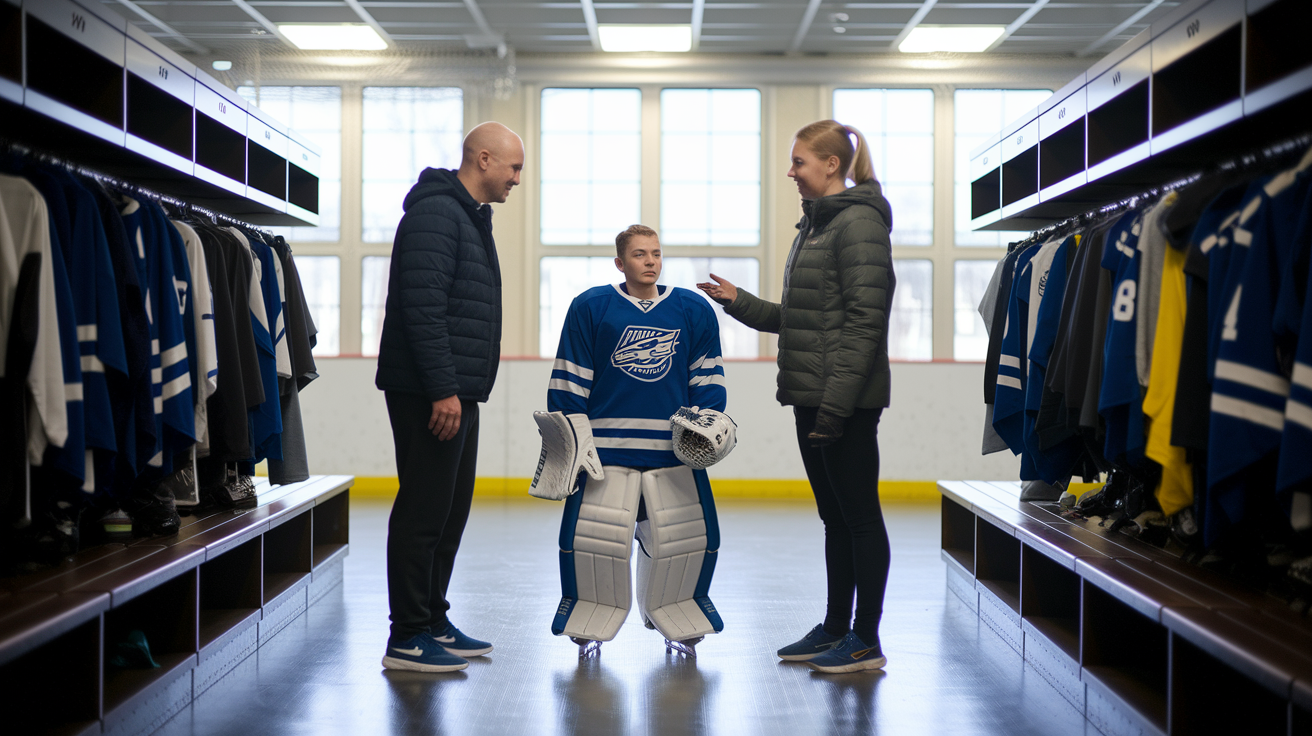
Coaches report fewer elbow injuries when players use pads with secure straps that stay in position during contact. Pads that rotate expose the joint at the worst moment. Teams enforcing fit checks before each game see measurable drops in hyperextension and contusion reports. Coaches also notice players wearing properly fitted, high-protection pads play more confidently in board battles and don’t hesitate to finish checks.
Parents point to comfort and growth-friendly adjustability as decision factors nearly equal to protection. A pad causing chafing or restricting movement gets left in the bag. Adjustable bicep and forearm straps let one pad fit through a growth spurt, stretching value. Parents whose kids compete in checking leagues overwhelmingly recommend spending $90 to $140 on pads with named impact materials and reinforced construction, citing fewer mid-season replacements and better injury outcomes versus budget models.
Takeaways from real-world use:
-
Secure strap tension stops the most common injury cause (pad rotation during contact), and coaches see this in lower elbow injury rates.
-
Comfort features (moisture-wicking liners, contoured caps, soft interior) determine whether players wear the pads correctly every shift.
-
Growth-adjustable straps extend a pad’s life by 6 to 12 months, delivering better cost-per-season value for families managing rapid youth growth.
Final Words
Hit the boards and you want gear that keeps kids playing, not sidelined. This post ranked the best youth hockey elbow pads, broke down protection tech (EPP, PE caps, liners), covered sizing and durability, compared brands, and weighed lightweight vs. maximum‑protection choices.
Pick pads that score well in multi‑impact tests, fit snugly, and show reinforced stitching. Read coach and parent feedback before you buy. This elbow pads review for high-impact youth hockey players gives the clear checklist so young skaters stay safer and keep loving the game.
FAQ
Q: What size hockey elbow pads for a 12 year old?
A: The right size of hockey elbow pads for a 12-year-old is usually Youth Medium, but can be Small or Large depending on arm length; measure elbow joint to mid-bicep and follow brand charts.
Q: What are the best hockey elbow pads for 2026?
A: The best hockey elbow pads for 2026 are models that combine EPP multi-impact foam, molded PE caps, and firm strapping, with Bauer, CCM, and Warrior leading for protection, fit, and durability.
Q: Who makes the best elbow pads?
A: The makers of the best elbow pads are Bauer, CCM, and Warrior; they top lab tests for cap depth, foam quality, and strap stability in youth high-contact play.
Q: What hockey elbow pads don t slip?
A: Hockey elbow pads that don’t slip use secure adjustable straps, silicone grippers, and moisture-wicking liners; look for models with bicep and forearm straps and deep anatomical caps.