

Think offside is just being ahead of the last defender?
Most fans get it wrong because the rule cares about one instant: the moment the pass is played, and whether the attacker then becomes involved.
Short version: you’re offside only if you’re in the opponent’s half, closer to the goal than both the ball and the second-last opponent when the pass is struck, and you then touch the ball or interfere with play.
This guide breaks that three-part test into plain examples, common exceptions, and what refs and VAR actually look for so you can spot offside on the pitch.
Core Explanation of the Offside Rule

A player’s offside when they’re closer to the opponent’s goal line than both the ball and the second-last opponent at the moment a teammate plays the ball. That’s it. The key word? “Moment.” Where everyone stands when the pass leaves your teammate’s foot, not where the receiving player ends up.
The second-last opponent is usually the last outfield defender plus the keeper behind them. If the keeper comes forward, the two deepest defenders become your reference line. But here’s the thing: being in an offside position isn’t actually a penalty by itself. The player has to get involved. Touch the ball, block a defender’s view, or gain an advantage from that spot before the ref calls it.
Think of it as a three-part test. Is the attacker ahead of the second-last opponent? Is the attacker ahead of the ball? Does the attacker touch it, interfere with someone, or benefit from being there? All three have to happen at the same instant the ball’s played.
The conditions:
- The player is closer to the goal line than the ball when a teammate plays it.
- The player is closer to the goal line than the second-last opponent when a teammate plays it.
- The player is in the opponent’s half.
- The player becomes actively involved by playing the ball, blocking a defender, or gaining an advantage from the position.
Visual Breakdown and Practical Examples
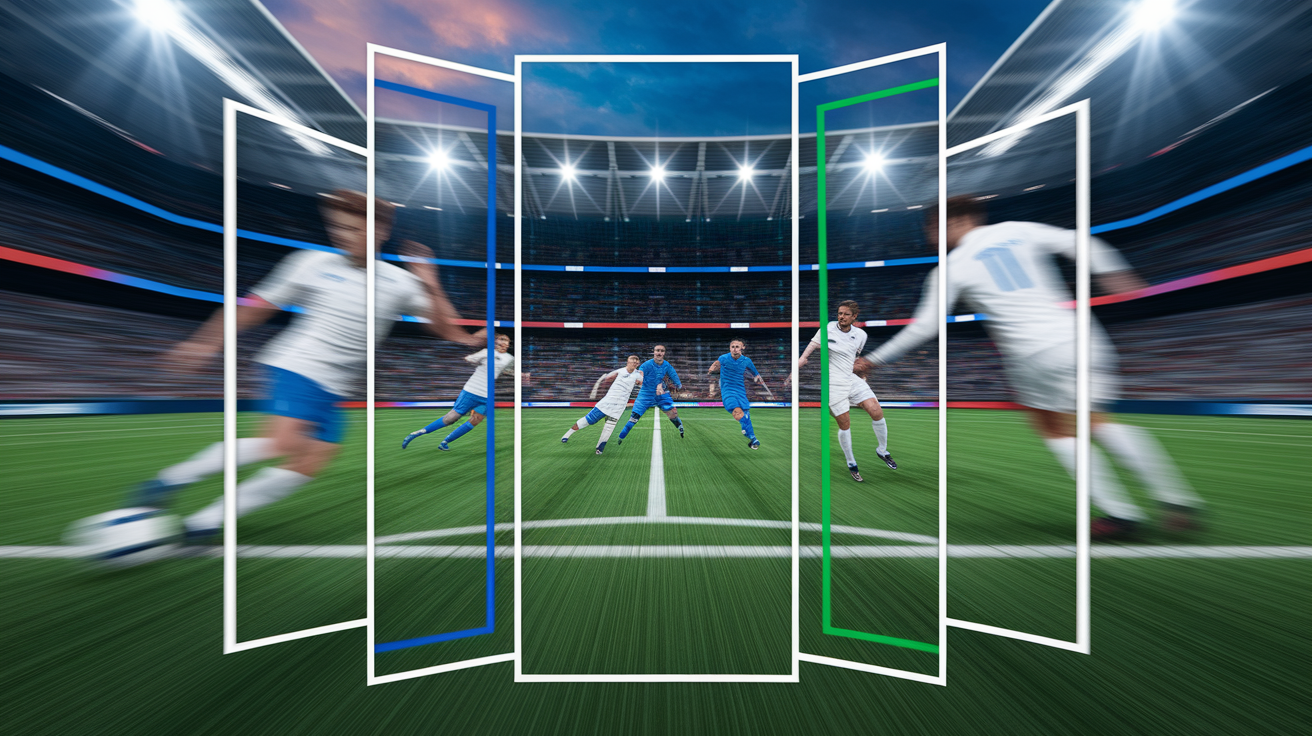
Picture a fast break. The attacking midfielder pushes a through ball toward the striker sprinting into space. At the instant the midfielder’s foot strikes the ball, if the striker’s already ahead of the second-last defender, they’re offside. If the striker times the run and is level with or behind that defender when the pass is played, they’re onside. Even if the sprint carries them past defenders a split second later.
Another one: a corner kick crosses into the box. Four attackers are standing past the last defender when the ball’s kicked. If any of those four touch it? Offside. But if a defender heads it away and an attacker who was onside when the corner was taken picks up the clearance, no offside. The ball came from the opponent, not a teammate. Timing and who last played the ball matter.
Common situations where offside gets called:
Quick through ball on a counterattack. Striker makes a late run. If they’re ahead of the second-last defender when the pass is struck, offside.
Cross from the wing. Attacker in the center waits too long and drifts past the last defender before the winger crosses. If they touch it, offside.
Rebound off the goalkeeper. Attacker was offside when the initial shot was taken but onside when the rebound comes. If they were gaining advantage from the original offside position, still offside.
Pass played backward. Attacker receives while ahead of all defenders, but the ball came from behind them. Onside because they’re behind the ball.
Offside trap. Defenders step up in unison to catch attackers offside. If the pass is played before the attacker reacts, offside. If the attacker holds and stays level, onside.
Exceptions to the Offside Rule

Three set pieces remove any offside risk: goal kicks, throw-ins, and corner kicks. You can stand next to the opponent’s goal and receive the ball directly from any of these restarts without being offside. The instant a teammate touches the ball after the restart, normal offside rules apply again.
Being level with the second-last opponent counts as onside. “Level” means any part of the head, body, or feet that can legally play the ball is even with the defender. Arms don’t count. If the lines are even, the attacker gets the benefit. Referees and VAR use calibrated technology to measure these tight calls down to the shoulder and toe.
The direction the ball travels doesn’t determine offside. A player in an offside position can receive a square pass or even a pass from behind if they’re still ahead of the second-last opponent when the ball is played. What matters is the attacker’s position relative to defenders and the ball at the moment of the pass. Not whether the ball goes forward or backward.
How Referees and VAR Enforce Offside

Assistant referees position themselves along the touchline, level with the second-last defender, watching for the precise moment the ball’s played. When they see an offside offense, they raise the flag and the referee stops play. The flag goes up after the play develops if the offside player becomes involved. If the player in the offside position never touches the ball or affects the defense, the flag stays down and play continues.
VAR and Technology
Video assistant referees review close offside calls using slow-motion replay and computer-generated lines calibrated to player body positions. The system marks the exact frame when the ball leaves the passer’s foot, then draws lines from the second-last defender and the attacking player. If any part of the attacker that can legally score (head, body, feet) is ahead of the line, offside is confirmed. Semi-automated systems introduced at major tournaments speed this up by tracking player positions in real time.
| Method | How It Works |
|---|---|
| Assistant Referee | Positions level with second-last defender, raises flag when offside player becomes involved in active play |
| VAR Review | Reviews video footage frame by frame to confirm position of attacker and ball at moment of pass |
| Calibrated Line Technology | Computer-generated lines aligned to defender and attacker body parts to measure offside within centimeters |
Common Misunderstandings About Offside
Lots of newcomers think offside depends on where the pass is going. It doesn’t. A pass can travel backward or sideways, and a player can still be offside if they were ahead of the second-last defender and the ball when the pass was made. Direction of travel isn’t part of the test.
Another misconception is that where the player ends up after the pass matters. It doesn’t. A striker can sprint past every defender after the ball’s played and still be onside if they were level or behind when the pass left the teammate’s foot. The freeze-frame moment is everything.
Some fans assume any attacking player ahead of defenders is automatically offside on every play. Not true. The player has to be involved. Touching the ball, blocking a defender’s line of sight, or gaining an advantage from the position. A player standing offside on the far side of the field while play develops on the opposite wing isn’t committing an offense.
The difference between being in an offside position and committing an offside offense trips up a lot of people. Position alone isn’t a foul. The player in that position has to then participate in the play. If a teammate shoots and the offside player never moves or affects the goalkeeper’s view, play continues. If that same player makes a run that pulls a defender out of position, the ref can call offside for interfering with an opponent even without touching the ball.
Final Words
You sprint onto a through ball and the flag goes up — that instant is the offside moment. The post broke down the rule: the moment of judgment, the second‑last defender, and needing to be actively involved for an offense.
We ran through clear examples, set‑piece exceptions, and how referees and VAR use calibrated lines. We also debunked common myths about pass direction and player movement.
If you still ask what is offsides in soccer, check where you were when the ball was played, whether you touched it, and your relation to the second‑last defender. Practice reading the line and you’ll play smarter and cleaner.
FAQ
Q: What is offsides in soccer in simple terms?
A: Offsides in soccer is when an attacking player is closer to the opponent’s goal line than both the ball and the second‑last defender at the moment a teammate plays the ball, and then becomes actively involved in play.
Q: How do you explain offside to a child?
A: Explaining offside to a child: a player is offside if they are closer to the goal than most defenders when a teammate passes, and then touch the ball or block a defender.
Q: How can you tell if a player is offsides in soccer?
A: You can tell if a player is offside by checking the moment the ball is played, seeing if they’re nearer the goal than both the ball and second‑last defender, and whether they interfere with play.