

Thicker shoulder pads don’t always mean safer.
If you play aggressive, you get thrown into the boards, finish checks, and take more high-impact hits.
That means you need pads that absorb big blows where they happen, like shoulder caps, sternum, and spine, while still letting you reach, skate, and recover.
This guide breaks down the exact features to prioritize, how to balance protection with mobility, and how to test the fit so your pads stay put on contact.
By the end you’ll know what to buy for heavy-contact play.
Key Features Needed for High-Contact, Aggressive Play
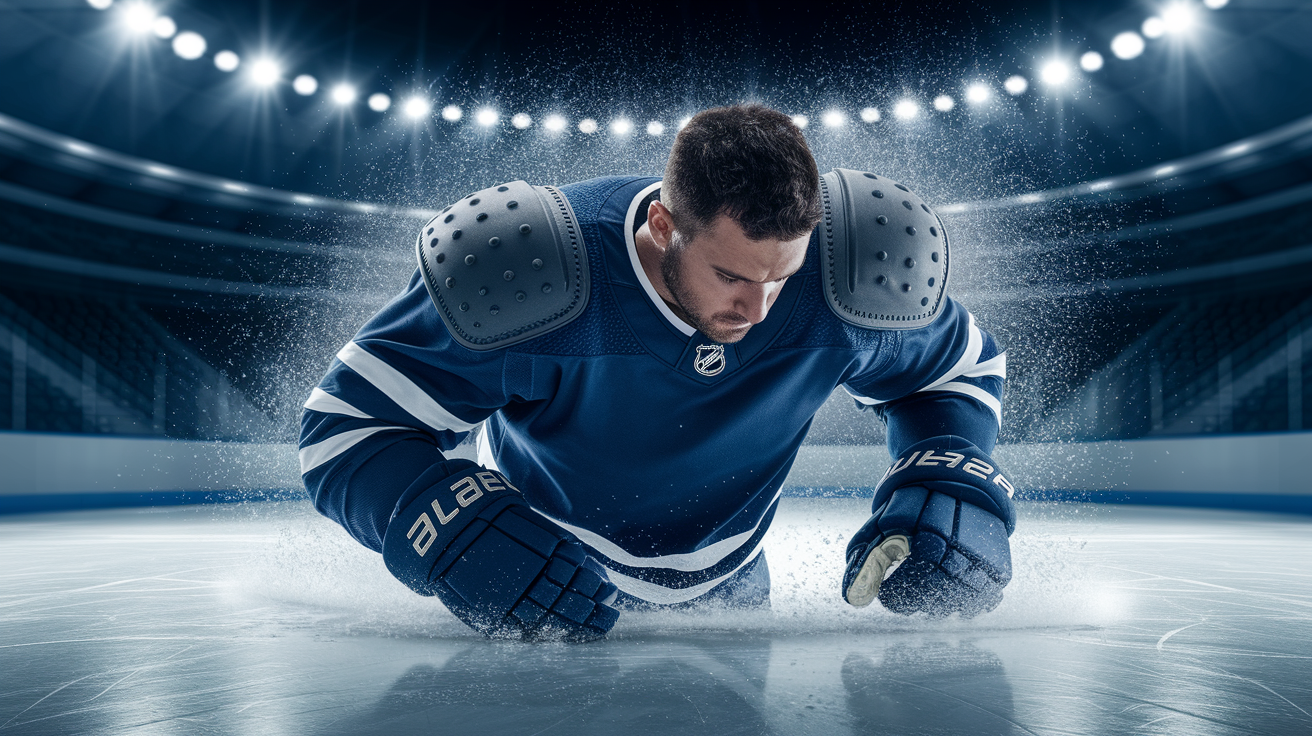
Aggressive players face more heavy contact, more collisions along the boards, and more high-impact events every shift. Your shoulder pads need reinforced protection in the areas that absorb the most abuse. The core features to prioritize are reinforced shoulder caps, a thick sternum plate, and full spine coverage. Reinforced shoulder caps reduce the risk of injury when you take a hit straight into the boards or absorb a body check from the side. A sternum plate that fully covers your chest bone protects against slashes, crosschecks, and direct collisions. Spine guards that run the length of your upper back protect against falls onto the ice and hits from behind.
Modern high-contact pads also need to keep you mobile. Heavy, rigid pads slow you down and make it harder to reach for pucks or recover after a hit. Mobility designs like floating sternum plates and segmented multi-panel construction let the pads move with your body instead of locking you into one position. Floating sternum plates shift slightly as you twist and reach, so the protection stays centered over your chest. Multi-panel construction (two-piece or three-piece designs) wraps around your torso better than one-piece panels and flexes when you raise your arms or rotate your shoulders.
Aggressive players should always look for these specific features before buying:
Reinforced shoulder caps – molded plastic or composite inserts that sit directly over the shoulder joint
Full-coverage sternum guard – a thick plate that extends from collar bone to mid-chest without riding up
Spine protection – a back plate that runs from the base of the neck to between the shoulder blades
Adjustable bicep guards – Velcro-adjustable bicep pads that seal the gap between shoulder and elbow pads
Multi-density or premium foams – layered foams that absorb high-impact hits without adding bulk
Segmented or floating panels – construction that allows the chest and back plates to move independently for better range of motion
Comparing Protection Levels and Construction Types
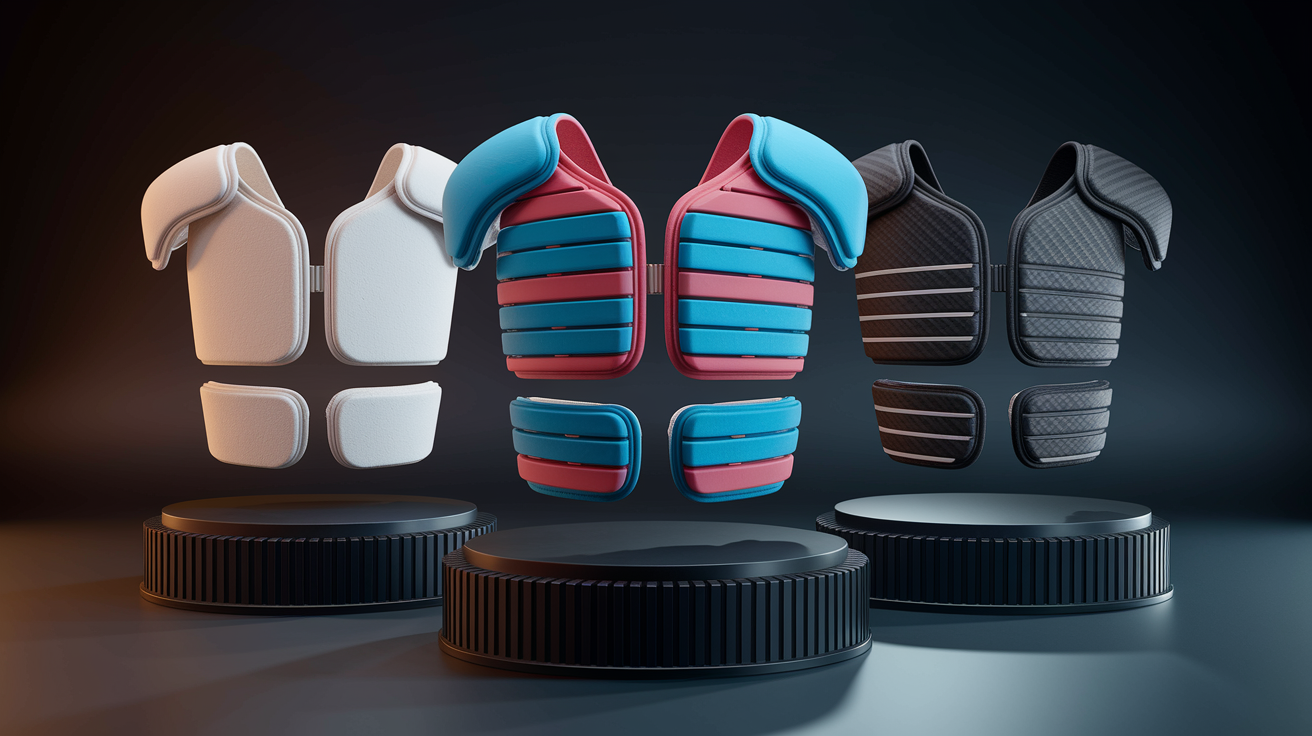
Shoulder pads come in three protection tiers, each built with different materials and construction methods. Recreational-level pads use standard foam and one-piece front and rear panels. They’re built for casual play and won’t hold up under heavy contact. Performance-level pads step up to multi-density foams and two or three-piece panel designs, which wrap the torso better and absorb harder impacts. Elite-level pads use premium multi-density foams, carbon-fiber or composite inserts, and extra-segmented construction with floating sternum and spine guards. These pads deliver the highest level of impact protection while staying lighter and more mobile than older bulky designs.
The difference comes down to how the materials respond to impact. Multi-density foams layer softer outer foam with firmer inner foam, so the outer layer absorbs the initial hit and the inner layer prevents hard objects from reaching your body. Molded plastic or composite inserts in the shoulder caps and sternum distribute impact force across a wider area instead of concentrating it at one point. Elite-level pads also use water-resistant foams and advanced moisture-management liners to reduce weight from sweat and dry faster between periods.
| Material/Construction | Protection Level | Best For |
|---|---|---|
| Standard foam, one-piece panels | Basic | Recreational, no-contact leagues |
| Multi-density foam, two/three-piece panels | Intermediate | Contact hockey, intermediate-level play |
| Premium foam + molded plastic inserts | High | Competitive contact, checking leagues |
| Composite/carbon-fiber reinforcements, floating guards | Elite | High-contact players, shot-blockers, physical defensemen |
Balancing Mobility and Protection for Aggressive Players
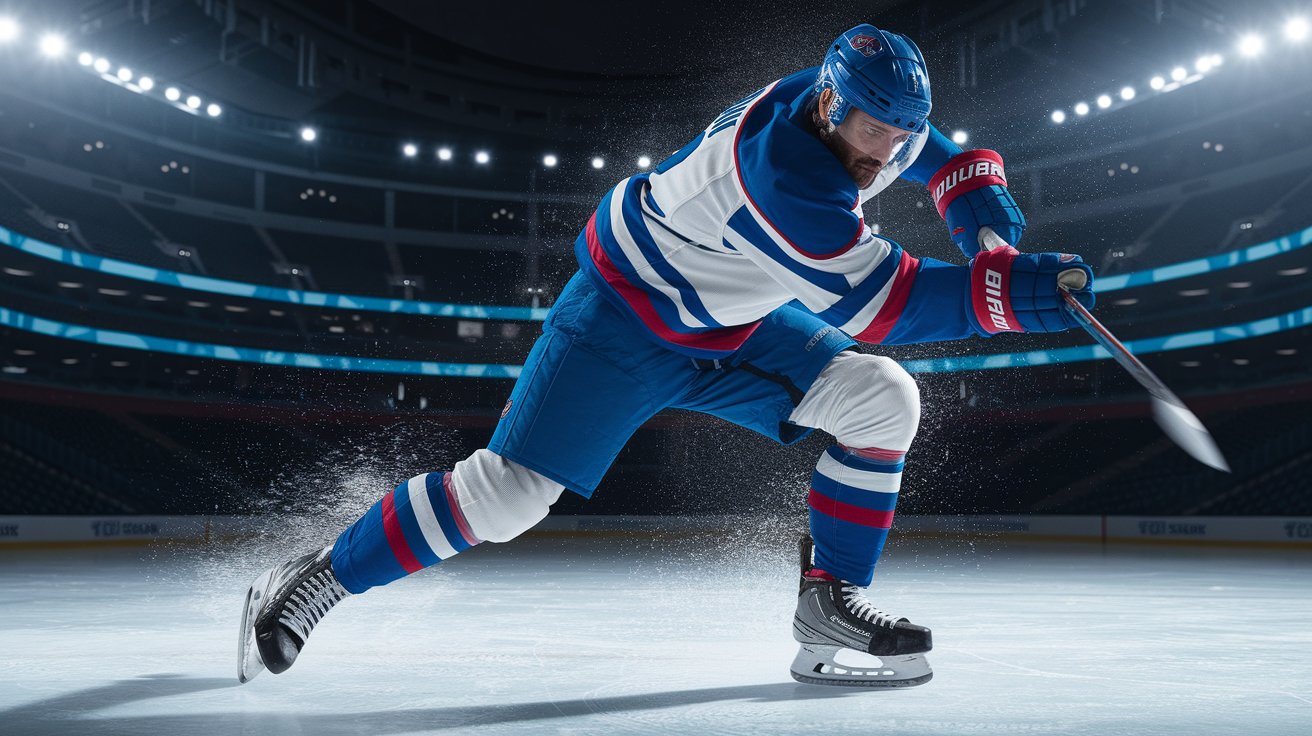
Protection only works if you can still move fast enough to play your game. The best high-contact pads use segmented padding and floating guards to keep coverage tight without locking your shoulders in place. Segmented padding means the chest and back plates are split into multiple smaller sections that flex and pivot as you move. Floating sternum and spine guards attach at fewer anchor points, so they shift slightly with your body instead of staying rigid. You can reach overhead, rotate for a backhand shot, and recover quickly after taking a hit.
Lightweight foams reduce the total weight of the pads without cutting down on impact resistance. Premium multi-density foams and composite inserts absorb the same force as older thick foams but weigh less and compress less over time. Less weight means less fatigue over a full game, which matters when you’re finishing checks in the third period.
Key mobility features to look for:
Floating sternum plates – independent chest guards that move with torso rotation
Segmented or multi-panel construction – separate chest, rib, and back sections that flex independently
Lightweight premium foams – high-density materials that reduce bulk and weight
Adjustable bicep guards – movable bicep pads that let you fine-tune the seal with elbow pads
Ventilated or perforated foam sections – cutouts in non-impact zones that improve airflow and reduce weight
How to Choose the Right Fit
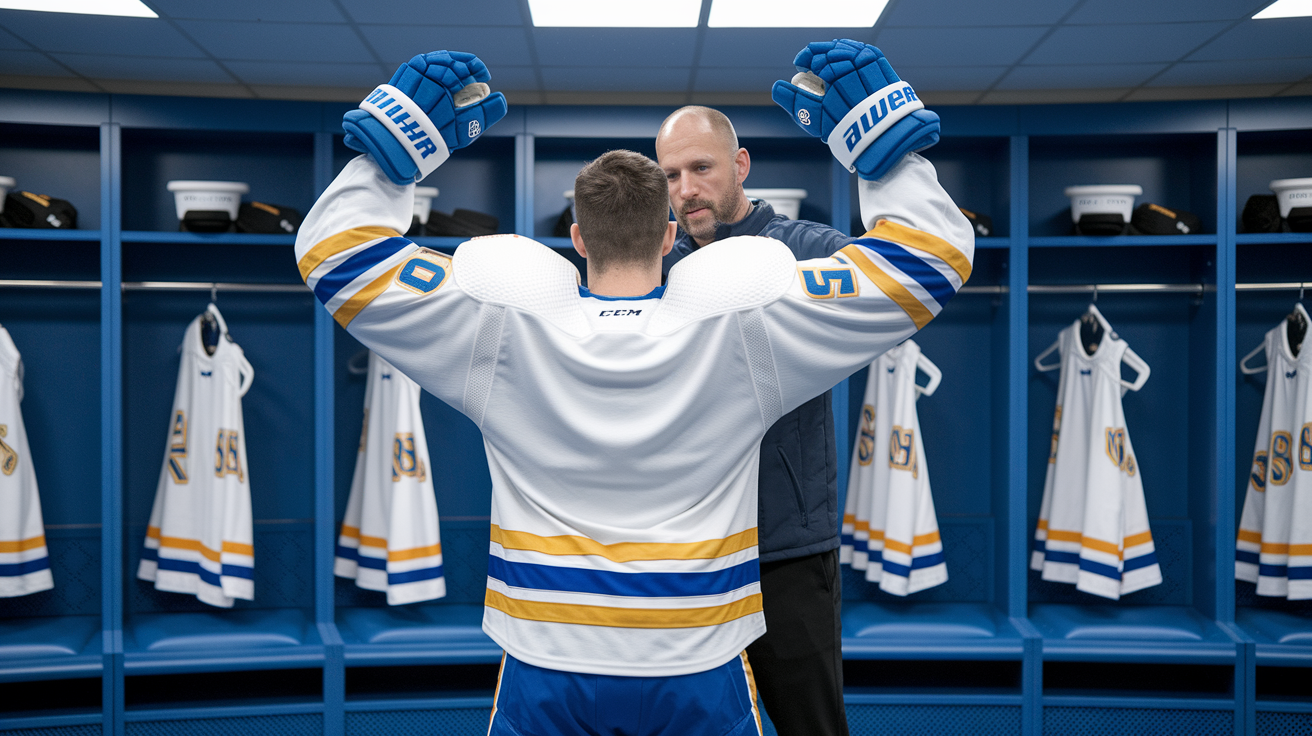
Proper fit is the difference between pads that protect and pads that shift off your body mid-contact. The shoulder caps must sit directly over your shoulder joints, the sternum plate must cover your chest bone fully, and the back plate must rest between your shoulder blades.
Follow these steps to test fit:
- Put on a thin base layer and your elbow pads before trying shoulder pads.
- Measure your chest circumference at the widest point (usually just under your armpits) and note your height.
- Cross-reference chest and height measurements with the brand’s sizing chart to select youth, junior, or senior size.
- Put the shoulder pads on and adjust all straps to a snug but not pinching fit.
- Raise your arms overhead, simulate a skating stride, and twist your torso side to side.
- Check that the shoulder caps stayed centered over your joints, the sternum plate didn’t ride up, and the bicep guards still align with your elbow pads.
If the pads slide during movement, the shoulder caps sit too low on your deltoid, or the sternum plate shifts up toward your neck, the pads are too big. If the shoulder caps point straight up, the neckline presses into your throat, or the bottom edges leave your ribs exposed, the pads are too small. Brands fit differently, so even if you wear a Medium in one line, you may need a Large in another. Always try pads on with your elbow pads to confirm there’s no gap between the two.
Position-Based Considerations

Defensemen and physical forwards take more hits along the boards and absorb more contact in front of the net. They need thicker padding in the shoulder caps, sternum, and spine, even if it adds a bit of weight. Look for pads with reinforced caps, full-length spine guards, and high-coverage sternum plates. Defensemen who block shots should also prioritize rib and collarbone protection, since deflected pucks and follow-through slashes hit those areas most often.
Forwards who play a fast, skill-based game still need solid protection, but they benefit more from lighter, more mobile pads. A forward who’s constantly reaching for pucks in traffic or cycling along the boards will feel the difference between a bulky pad and a segmented, low-profile design. Look for pads that retain strong sternum and shoulder cap coverage but use lighter foams and fewer rigid inserts in the bicep and rib areas.
Enforcers and players who finish every check need maximum upper-body coverage. These players should choose elite-level pads with the thickest available foams, molded plastic shoulder caps, and floating sternum and spine guards. The extra bulk is worth it when you’re initiating heavy contact multiple times per period. Adjustable bicep guards are especially important for these players, because a gap between the shoulder and elbow pads leaves the upper arm exposed during boarding battles.
Recommended Shoulder Pad Models for Aggressive Players
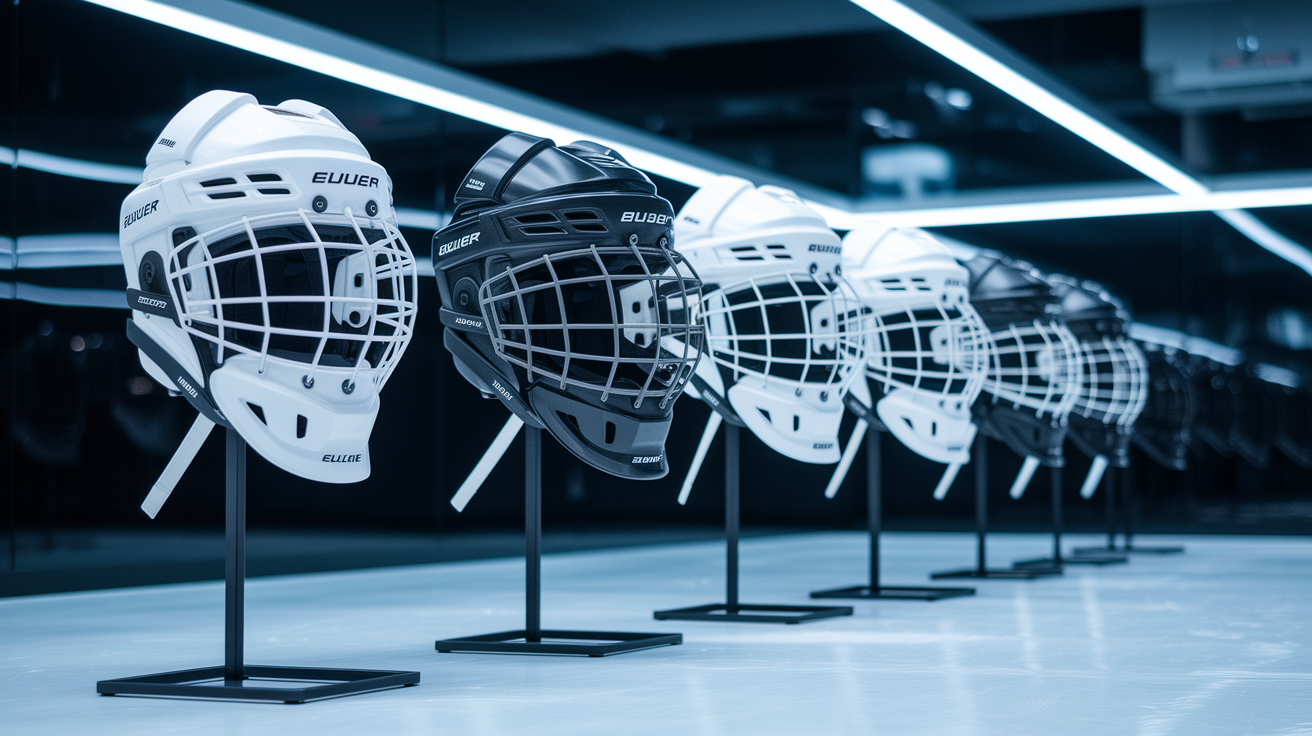
Top-tier models built for high-contact play typically include molded plastic or composite inserts in the shoulder caps, enhanced sternum plates with floating or segmented construction, and dual-adjustable bicep guards that seal tightly to your elbow pads. These pads are designed to handle checking leagues, shot-blocking, and physical net-front play.
Recommended models for aggressive players:
Bauer Nexus line – bulky, high-coverage design with reinforced shoulder caps and thick sternum protection. Best for defensemen and physical players who prioritize maximum impact resistance.
CCM Tacks / Super Tacks – reinforced caps, full spine guard, and adjustable biceps. Built for contact-heavy play with strong rib and collarbone coverage.
Warrior Dynasty series – high-profile pads with molded caps, floating sternum plate, and thick multi-density foams. Designed for players who block shots and finish checks.
Bauer Supreme mid-tier models – balanced protection and mobility. Good sternum and spine coverage with lighter construction than Nexus. Works for forwards who play a physical game but need to stay mobile.
CCM JetSpeed performance-level pads – multi-density foam, adjustable biceps, segmented panels. A step up from recreational pads without the bulk of elite models. Solid choice for intermediate contact leagues.
Warrior Alpha series – middle-ground option with reinforced caps and good sternum coverage. Lighter than Dynasty but still built to handle regular body contact.
Final Words
In the action, aggressive shifts demand reinforced shoulder caps, sternum and spine protection, and pads that let you move. We covered protection tiers, multi-density construction, mobility features, fitting steps, position-based needs, and model recommendations.
Use the checklist: prioritize reinforced caps, molded inserts, segmented foam, floating sternum, adjustable biceps, and correct length. That simple approach speeds the decision.
If you’re still deciding, remember the core question—how to choose hockey shoulder pads for aggressive players—and pick protection that moves with you. Play hard, stay safe.
FAQ
Q: How to choose hockey shoulder pads?
A: Choosing hockey shoulder pads means prioritizing reinforced shoulder caps, sternum and spine protection, proper fit (caps over joints), multi-panel mobility, and lightweight foams; try them on and mimic game movements.
Q: Where do you put your weakest player in hockey?
A: Putting your weakest player usually means sheltering them: fourth-line or sheltered shifts, winger on the wall away from the middle, shorter minutes, paired with a stronger teammate and simpler responsibilities.
Q: What shoulder pads do most NHL players wear?
A: Most NHL players wear top-tier pads from Bauer, CCM, and Warrior featuring molded plastic inserts, reinforced caps, multi-density foams, and customized fits that balance upper-body coverage with mobility.
Q: Are 2 in 1 shoulder pads good for Lineman?
A: 2-in-1 shoulder pads are fine for casual linemen who want convenience, but aggressive or high-contact players should choose dedicated, high-impact pads with reinforced caps, sternum plates, and fuller spine and rib coverage.