

Is your mouthguard protecting you or just taking up space?
Hockey sends pucks at 60+ mph, bodies into the boards, and sticks into faces.
A poor fit means broken teeth, jaw hits, and muffled calls on the ice.
This post cuts straight to the real differences between custom and boil-and-bite guards.
You’ll get clear tradeoffs on fit, retention, breathing, durability, and cost, and a practical recommendation for youth players, adults, and multi-sport athletes.
Comprehensive Breakdown of Hockey Mouthguard Options: Custom vs Boil-and-Bite
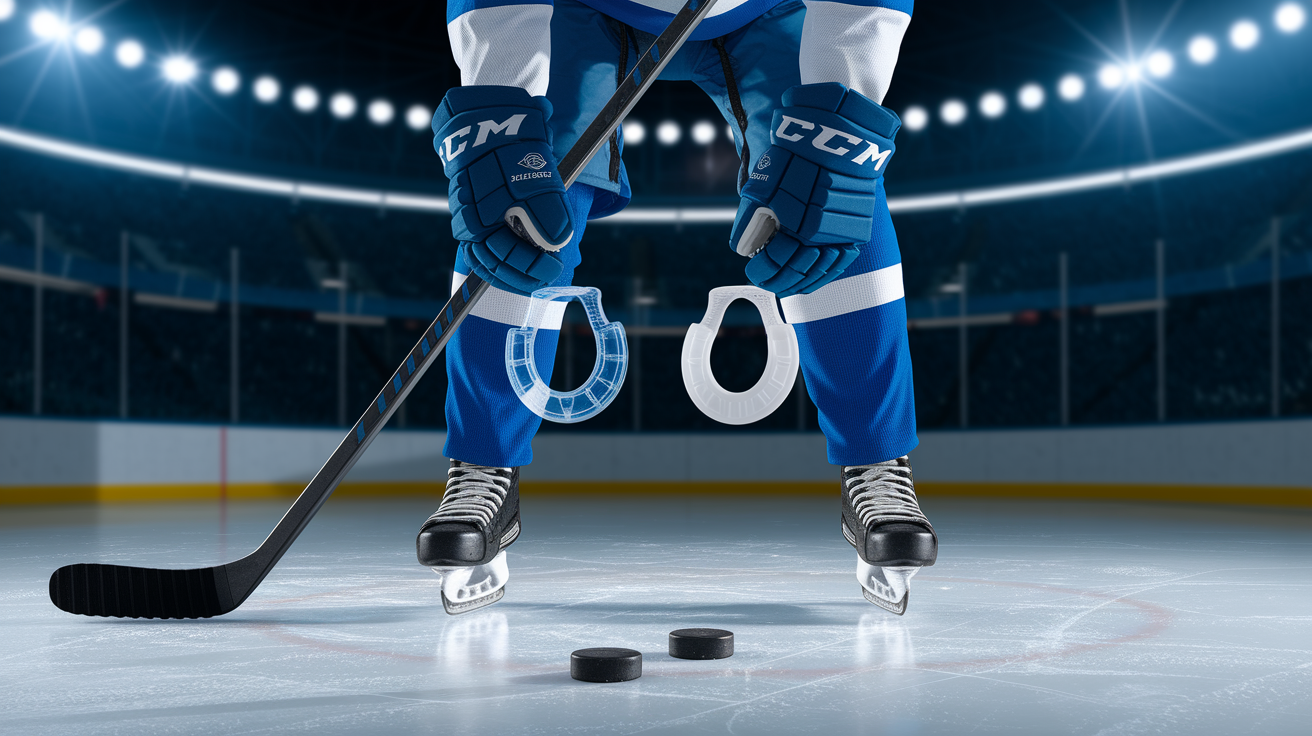
Around 8.6 million sports injuries happen in the U.S. every year, and dental injuries rank high on that list. Hockey players deal with pucks traveling 60+ mph, collisions along the boards, and stick contact that can break teeth, cut soft tissue, or cause jaw trauma. A properly fitted mouthguard won’t stop every injury, but it cuts down the odds and makes the damage less severe when something does happen.
When you’re looking at mouthguards, there are four main types. Stock guards sit at the bottom—one size, no customization, pretty much useless. Boil-and-bite guards soften in hot water and mold when you bite down. Better than stock, but still limited. Direct-to-consumer custom guards use an at-home impression kit you mail to a lab. Dentist-made custom guards start with a professional impression taken in-office and get made in a dental lab. Most hockey players care about the comparison between boil-and-bite and custom options. That’s where protection, retention, breathing, durability, and cost really split.
Here’s a quick breakdown of six differences:
Fit precision: Custom guards copy your exact tooth anatomy. Boil-and-bite approximates it through a bite mold that can’t capture deep undercuts or fine detail.
Retention: Custom guards stay put hands-free during contact. Boil-and-bite can shift or make you clench to keep them secure.
Breathing and communication: Custom guards usually allow easier airflow and clearer speech. Boil-and-bite often feels bulky and restricts breathing.
Durability: Good custom guards can last 2 to 5 years with care. Boil-and-bite guards commonly last 6 to 24 months before losing shape.
Cost: Boil-and-bite runs $10 to $60. Dentist-made custom runs $200 to $500+. Direct-to-consumer custom sits in between.
Replacement frequency: The ADA suggests replacing every six months for best protection, but custom guards often stay effective longer when you maintain them right.
The American Dental Association recommends properly fitted mouthguards for any sport with collision or projectile risk. In hockey that’s every position. Forwards driving the net, defensemen blocking shots, goalies facing 90-mph slap shots. Multi-sport use also matters. One well-fitted custom guard works for hockey, soccer, basketball, martial arts, skateboarding, and mountain biking. The investment spreads across multiple sports instead of just one season.
Fit, Retention, and Protection Differences in Hockey Mouthguards
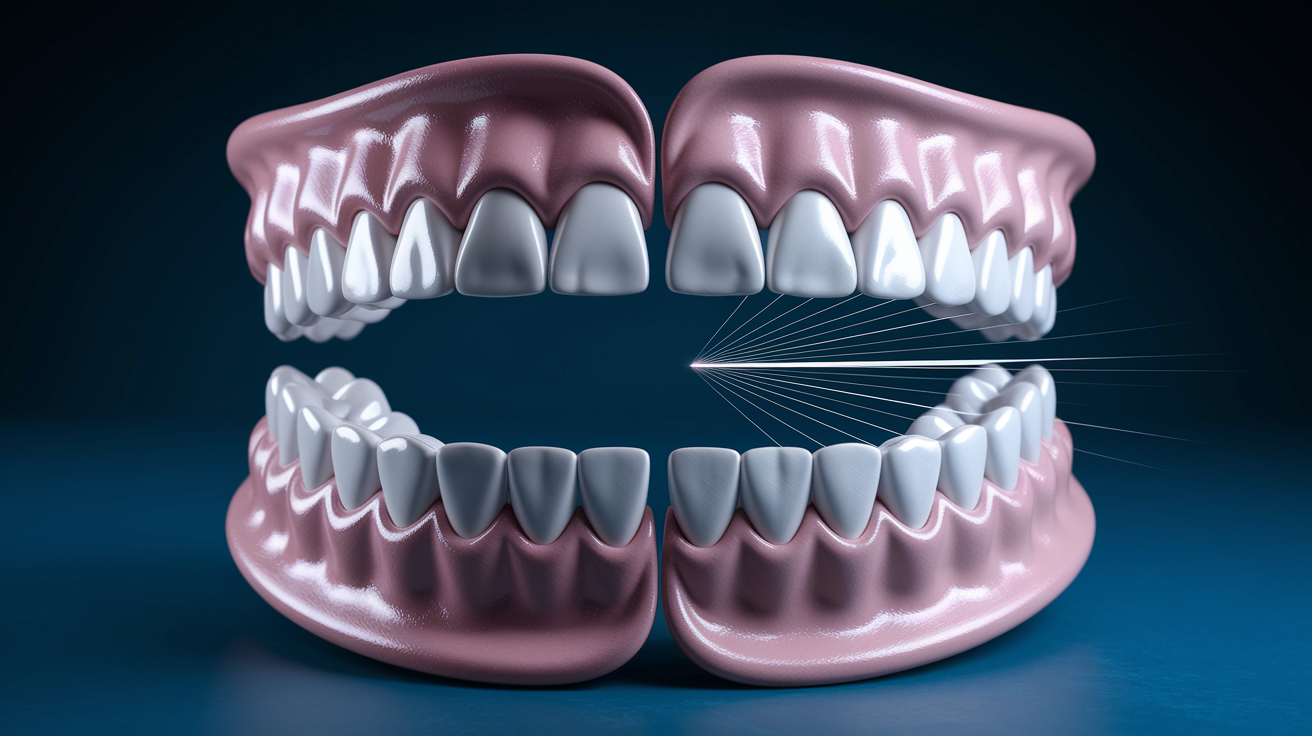
Custom mouthguards start with an impression. Either captured by a dentist or taken at home using an impression kit with instructions and video guidance. That impression records the exact contours, spacing, and bite relationship of your teeth. The lab can then build a guard that seats fully and locks into place without manual support. Boil-and-bite guards soften in boiling water for 30 to 60 seconds, then you bite down and hold while the thermoplastic cools. It’s better than stock guards, but biting alone can’t replicate the undercuts, interproximal spaces, and detail a professional impression captures.
Retention quality directly affects protection. If a guard shifts during a collision, it exposes teeth and can’t distribute impact forces across the intended surface area. Custom guards stay anchored because they wrap around each tooth’s anatomy. Boil-and-bite guards rely on general compression fit, which loosens over time and with repeated heating or adjustment attempts. Players who clench or grind under stress speed up that loosening. Custom models often use multi-layer laminates with working thickness between 3.0 and 4.5 mm at occlusal surfaces, engineered to balance shock absorption and breathing comfort. Boil-and-bite guards typically end up 2.0 to 3.5 mm thick after molding, with less consistent material density and coverage gaps where the bite didn’t fully compress the thermoplastic.
| Type | Retention Quality | Impact Protection |
|---|---|---|
| Custom (Dentist-Made) | Superior; stays in place hands-free during contact | Multi-layer laminate construction, 3.0–4.5 mm occlusal thickness, full coverage of anterior and posterior teeth |
| Custom (Direct-to-Consumer Kit) | Very good when impression is captured correctly; professional-grade lab fabrication | Similar material density to dentist-made; depends on impression accuracy |
| Boil-and-Bite | Moderate; can shift during play, may require clenching to maintain position | Single-sheet thermoplastic, 2.0–3.5 mm typical post-molding thickness, variable coverage and force distribution |
Comfort, Breathing, and On-Ice Performance with Custom vs Boil-and-Bite Mouthguards
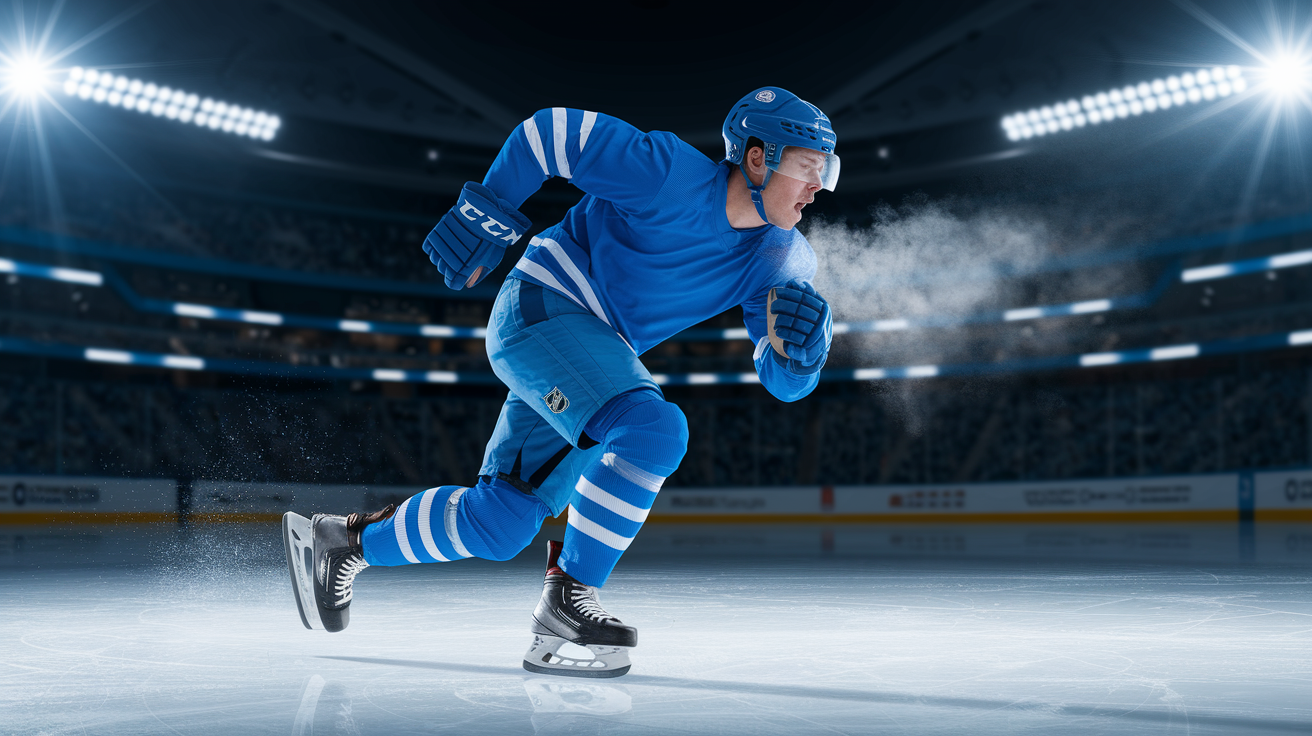
Breathing efficiency is what separates competitive-level mouthguards from recreational options. Thin-profile custom designs give you better airflow by cutting down bulk along the palate and freeing the tongue. You can breathe naturally through your mouth during high-intensity shifts. Many custom labs tailor thickness to position and player preference. Forwards who value communication might ask for a lower-profile labial surface. Defensemen blocking shots might choose reinforced anterior thickness. Boil-and-bite guards often feel bulky because the molding process compresses material unevenly, creating thick spots that press against the soft palate or restrict tongue movement. Players report needing to mouth-breathe more frequently and having trouble speaking clearly to linemates during play.
Comfort also depends on how well the guard stays in place without conscious effort. A custom guard anchored to your teeth lets you focus on the puck, not on repositioning a loose guard or clenching to keep it from falling out. Boil-and-bite guards that shift require constant micro-adjustments, adding distraction and jaw fatigue over a full game or practice. Speech clarity improves noticeably with custom guards. Coaches and teammates hear callouts more easily, which matters during line changes, penalty kills, and power plays when communication timing is tight.
Four key comfort factors define on-ice performance:
Breathing ease: Custom guards allow near-normal breathing. Poorly fitted boil-and-bite can restrict airflow and force mouth-open breathing that dries saliva and increases fatigue.
Speech clarity: Custom guards with tailored labial thickness enable clearer consonants and quicker communication. Thick boil-and-bite guards muffle speech.
Bulk perception: Custom guards feel minimal because they conform to anatomy. Boil-and-bite often feels like “something extra” in the mouth.
Jaw fatigue: Guards that require clenching to stay secure cause temporomandibular joint soreness after long sessions. Custom guards eliminate that need.
Durability and Lifespan Review: Custom vs Boil-and-Bite for Hockey
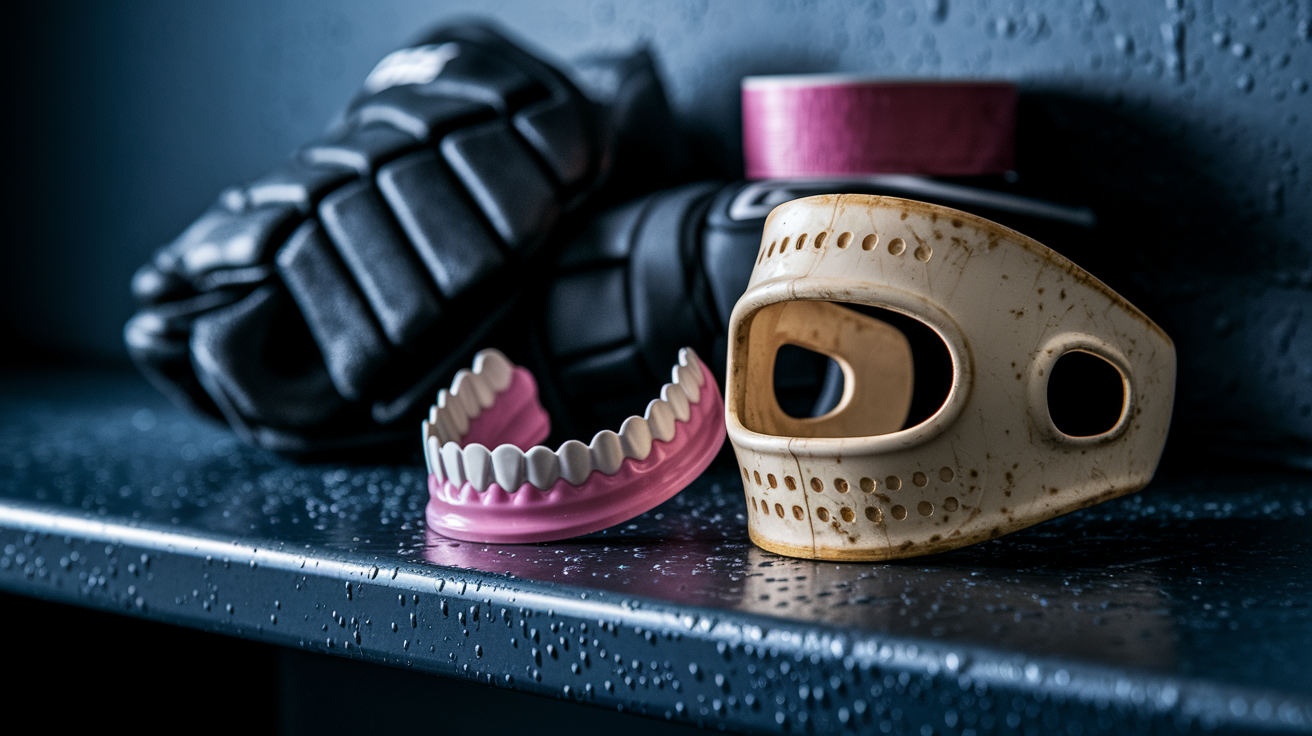
Custom mouthguards built from multi-layer laminates or reinforced thermoplastic cores typically last 2 to 5 years when maintained properly. Players in heavy-contact roles (defensemen who block shots, penalty-kill specialists, or goalies) may need replacement every 1 to 2 years due to faster wear. Boil-and-bite guards made from single-sheet thermoplastic generally last 6 to 24 months before compression, tears, or shape loss compromise fit and protection. The ADA-aligned recommendation suggests replacing any mouthguard every six months to keep it fresh and maintain material performance, but high-quality custom guards often stay effective beyond that window if you inspect them regularly and store them correctly.
Youth players under age 12 to 14 face a different durability situation. Ongoing dental growth (erupting permanent teeth, shifting bite relationships) requires frequent replacement regardless of guard type. For these players, a boil-and-bite that costs $10 to $30 and gets replaced every 6 to 12 months often makes more economic sense than a $200+ custom guard that’ll be outgrown before its material lifespan ends. Adult players with stable dentition benefit from the longer life and better retention of custom options, especially when you factor in fewer replacements over multiple seasons.
Inspect your mouthguard for these wear signs: visible tears or cracks in the material, permanent compression or flat spots where thickness has been lost, shape distortion that prevents proper seating, surface crazing (fine cracks across the exterior), and persistent odor that cleaning doesn’t remove. Any of these means material breakdown and you need a replacement. Replace immediately after any major blow that visibly deforms the guard, even if it looks otherwise intact. Internal laminate separation can occur without external evidence. Multi-layer construction in custom guards distributes fatigue stress better than single-piece boil-and-bite sheets, which concentrate wear at bite points and can develop micro-tears that expand with continued use.
Pricing Breakdown: Cost-Effectiveness of Hockey Mouthguards
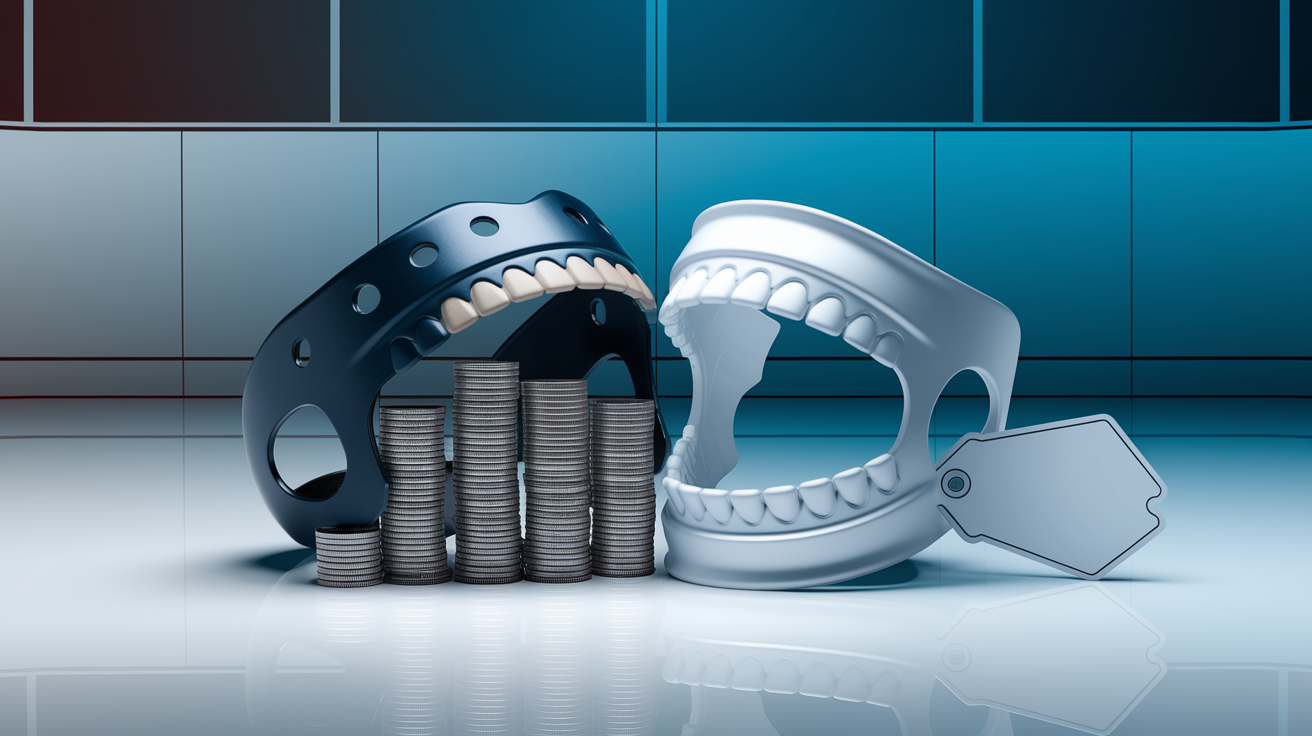
Price directly shapes the decision for most families and players. Boil-and-bite guards retail between $10 and $60. Standard drugstore models hit the low end, and performance-branded options (Shock Doctor Ultra, OPRO Power-Fit, SISU Max) reach the upper range. Custom dental-lab guards made by a dentist typically cost $200 to $500, depending on the practice, materials selected, and where you live. High-end specialty designs (splint-style guards for elite players, goalie-specific models with reinforced anterior sections) can reach $350 to $800. Direct-to-consumer custom options using at-home impression kits generally fall between boil-and-bite and dentist-made pricing, offering a middle ground for players who want custom fit without the dentist visit.
| Type | Typical Price Range | Best For | Expected Lifespan |
|---|---|---|---|
| Boil-and-Bite (Standard) | $10–$30 | Youth players with growing dentition; recreational/occasional use | 6–18 months |
| Boil-and-Bite (Performance) | $30–$60 | Competitive players seeking better retention than standard boil-and-bite | 12–24 months |
| Custom (Direct-to-Consumer Kit) | $100–$250 | High-school, junior, and adult league players wanting custom fit at lower cost | 2–4 years |
| Custom (Dentist-Made) | $200–$500+ | Competitive, collegiate, and pro players; players with braces or complex dentition | 2–5+ years |
Cost-effectiveness shifts with level of play and how often you skate. For a 10-year-old house-league player who needs a new guard every season because of growth, spending $200 on a custom guard makes little sense. Two $15 boil-and-bite guards over two years cost $30 total and handle changing teeth. For a 17-year-old junior player skating 4 to 6 times per week in a contact league, a $250 custom guard that lasts three seasons and provides better breathing, retention, and protection becomes cost-effective compared to replacing $40 boil-and-bite guards annually. Factor in the reduced risk of a dental injury that could cost thousands in emergency and restorative work, and the investment math tilts further toward custom options for serious players.
Hockey-Specific Performance Review: Which Mouthguard Fits Your Level of Play?
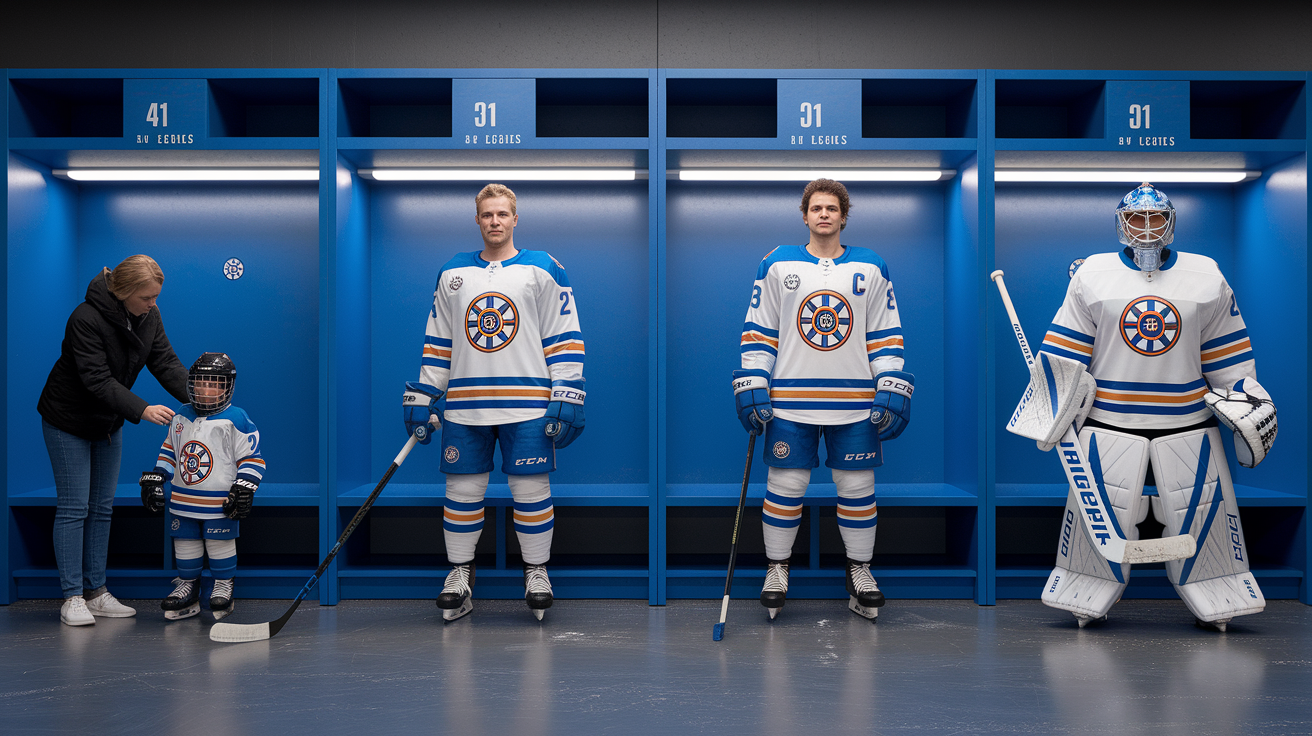
Youth players under roughly age 14 experience rapid dental changes. Baby teeth fall out, permanent teeth erupt, bite relationships shift as jaws grow. A custom mouthguard made today may not fit properly six months later, requiring costly replacement or leaving gaps in coverage. Boil-and-bite guards handle this growth better because they can be re-molded (though repeated heating degrades material quality) and cost little to replace. Parents of youth players typically prioritize affordability and accept the trade-off in fit precision, knowing another guard will be needed soon regardless of durability.
Recreational and adult-league players skating once or twice a week in non-checking or light-contact formats often find mid-tier boil-and-bite guards adequate. A $20 to $40 performance-branded model like the Shock Doctor Gel Max or OPRO Power-Fit offers better retention and thinner profiles than basic drugstore options, balancing protection with budget. These players value the convenience of immediate fit (no dentist appointment, no waiting for lab turnaround) and the ability to replace the guard quickly if it’s lost or damaged during a game.
Competitive players at high-school, junior, collegiate, and professional levels overwhelmingly prefer custom mouthguards. Retention becomes critical when body checks, board battles, and high-speed collisions are constant. A guard that shifts or falls out mid-play leaves teeth exposed at the worst moment. Breathing efficiency directly affects shift length and recovery. Players report measurably better oxygen intake with thin-profile custom guards, allowing them to maintain intensity through the final minutes of a period. Communication clarity matters in structured systems where line changes, breakouts, and defensive-zone coverage depend on quick verbal cues. Custom guards enable all of that while reducing jaw soreness and distraction.
Goalies and players in heavy-contact roles (defensemen who block shots, penalty-kill forwards who take cross-checks in front of the net) should prioritize maximum protection. Full-coverage custom models with reinforced anterior thickness (4.0 to 5.0 mm) and extended labial coverage protect both teeth and soft tissues during puck impacts and collisions. Splint-style custom guards, which include posterior occlusal coverage to separate the bite and distribute forces across molars, offer additional protection against jaw trauma and can reduce transmitted shock during high-impact events. These designs cost more ($350 to $800) but deliver measurably better safety for players facing the highest injury risk.
Fitting Process Deep Dive: Custom Impression vs Boil-and-Bite Molding Steps
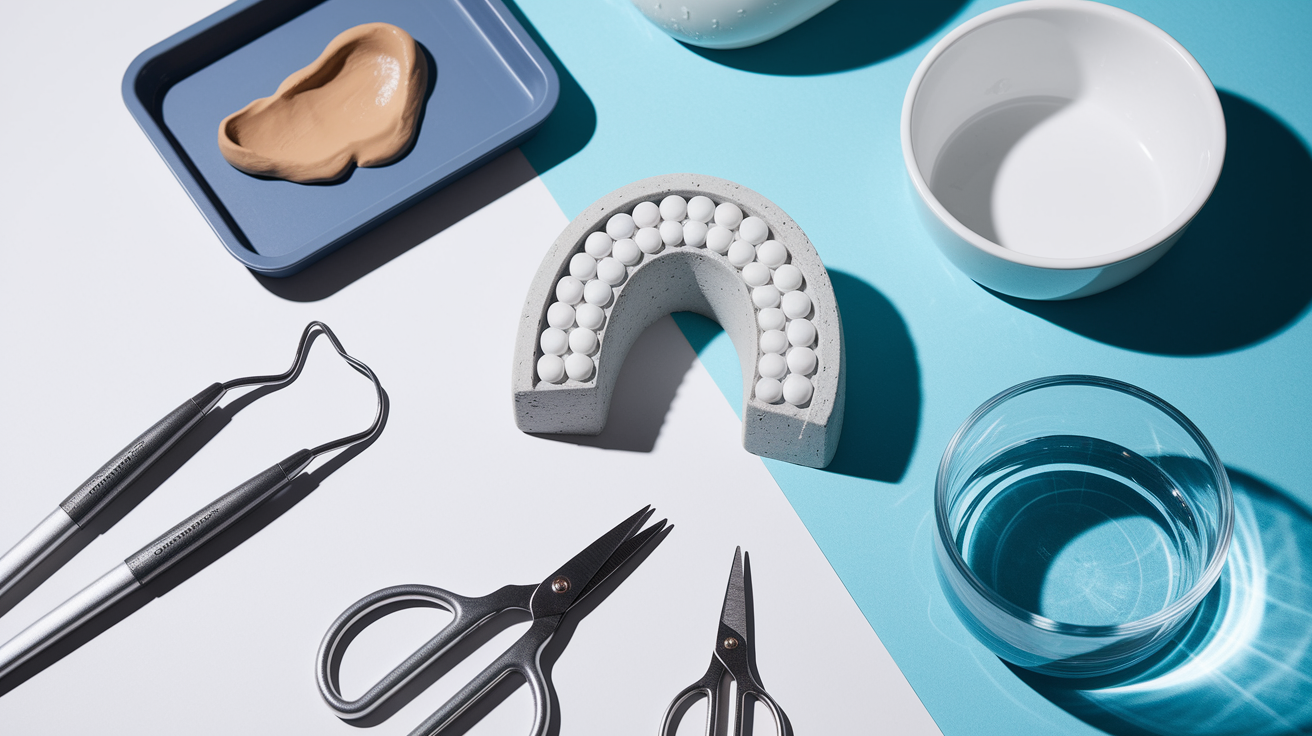
The fitting process determines whether your mouthguard delivers its advertised protection and comfort. Custom and boil-and-bite approaches differ fundamentally in complexity, time, and margin for error.
Custom Mouthguard Fitting
Custom fabrication begins with a bite impression that captures the exact shape and spacing of your teeth. In a dentist’s office, the dentist or hygienist fills a tray with impression putty or alginate, seats it over your upper arch, and holds it in place for 2 to 3 minutes while the material sets. Some practices use digital intraoral scanners that capture a 3D model without putty. Direct-to-consumer impression kits ship with molding trays, putty cartridges, detailed instructions, and often a video walkthrough. You mix the putty, load the tray, bite down evenly, and hold still until the material firms. Common mistakes include under-filling the tray (leaving gaps), biting unevenly (creating a skewed model), or moving during setting (distorting the impression). Quality kits include a second set of materials so you can re-do the impression if the first attempt fails.
Once the impression is captured, you mail it to the lab (or the dentist sends it). The lab pours a stone model of your teeth, then vacuum-forms or pressure-laminates thermoplastic or EVA sheets over the model, building up layers to the specified thickness. Some labs hand-trim and polish the guard. Others use CNC mills for precision edges. Turnaround typically runs 5 to 14 business days. When the finished guard arrives, you test the fit. It should seat fully without gaps, stay in place when you open your mouth, and allow normal breathing and speech. A follow-up adjustment visit (for dentist-made guards) or a customer-service exchange (for direct-to-consumer kits) fixes any fit issues.
Boil-and-Bite Fitting
Boil-and-bite fitting takes 10 to 20 minutes and requires only a pot of boiling water, a bowl of cold water, scissors, and the guard itself. Start by reading the manufacturer’s instructions. Heating times vary by brand and material thickness. Bring water to a rolling boil, remove from heat, and submerge the guard for the specified time, usually 30 to 60 seconds. Use tongs or a slotted spoon to retrieve the guard, shake off excess water, and let it cool for 2 to 3 seconds so it won’t burn your mouth. Center the guard over your upper teeth, bite down firmly and evenly, then use your fingers and tongue to press the material against the front, sides, and biting surfaces of your teeth. Hold the bite for 30 to 60 seconds while the thermoplastic cools and hardens. Remove the guard and immediately place it in cold water to set the shape.
Test the fit by opening your mouth and shaking your head. If the guard falls out or shifts, reheat and re-mold. Trim any excess material along the edges with sharp scissors to reduce bulk and improve comfort. Don’t over-trim, which can compromise coverage. Common errors include under-heating (guard doesn’t soften enough to mold), over-heating (material becomes too soft and distorts), uneven bite pressure (creates high spots and gaps), and premature removal from the mouth (shape doesn’t fully set). Most boil-and-bite guards allow 3 to 5 re-molding cycles before material degradation reduces effectiveness.
Safety, Standards, and Material Quality in Hockey Mouthguards

High-quality mouthguards use FDA-approved, BPA-free thermoplastic or EVA (ethylene-vinyl acetate) materials engineered for repeated impact and safe oral contact. Custom guards often feature multi-layer construction: a soft inner layer that conforms to teeth and gums for comfort, a dense middle core that absorbs and distributes impact forces, and a harder outer shell that resists abrasion and puncture. Boil-and-bite guards typically use single-sheet thermoplastic that combines all functions in one layer. Less sophisticated force management, but simpler manufacturing and lower cost.
No universal consumer impact-rating system exists across all mouthguard brands. Unlike helmets, which must meet HECC or CSA certification standards for hockey, mouthguards lack a standardized testing protocol that assigns numerical protection scores. Effectiveness depends on fit, material thickness, retention, and how well the guard stays in place during a collision. A loose guard offers no protection, regardless of material quality. The best proxy for safety is proper fit: a mouthguard should stay anchored without manual support, allow normal breathing, permit clear speech, and cover all teeth from canine to last molar.
Material allergies are rare but possible. Some players react to latex (not common in modern mouthguards) or specific thermoplastic additives. If you experience irritation, swelling, or a rash after wearing a new guard, stop using it and talk to your dentist. BPA-free certification addresses concerns about endocrine-disrupting chemicals, and most reputable brands now list material composition and safety certifications on packaging or websites. Breathability and retention remain the two most critical safety factors. If you can’t breathe comfortably or the guard won’t stay in place, it fails to protect you no matter how advanced the material engineering.
Hockey Mouthguard Reviews: Real-World Feedback from Athletes and Parents
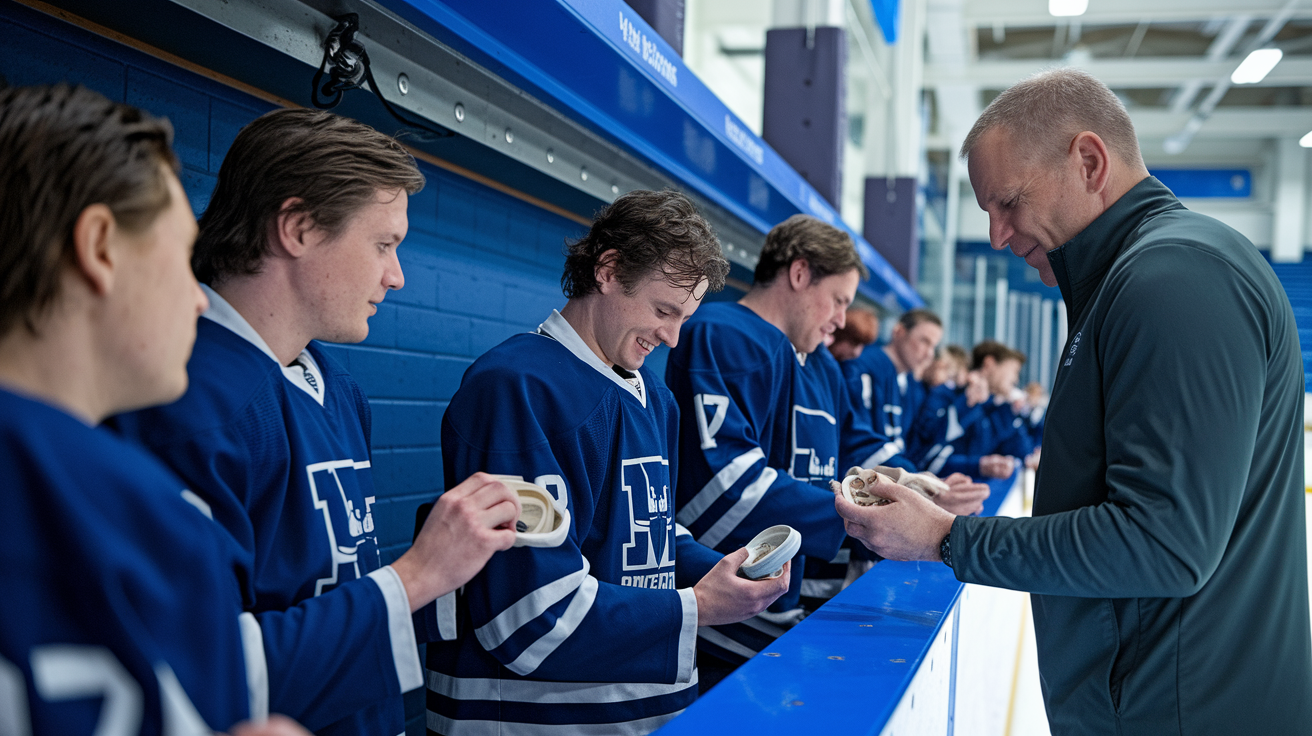
User feedback from parents, youth coaches, and competitive players shows clear patterns. Boil-and-bite guards earn praise for low cost, immediate availability at sporting-goods stores and pharmacies, and quick fitting that doesn’t require appointments or waiting. Parents of younger players appreciate being able to replace a lost or damaged guard the same day without derailing practice schedules. Common complaints center on fit degradation. Guards that mold well initially often lose shape within weeks or months, especially for players who clench or grind under stress. Retention issues surface frequently: players report needing to reposition the guard during play or bite down to keep it from falling out. Both distract from the game and reduce protection.
Custom mouthguard reviews emphasize comfort, breathing efficiency, and long-term value. Competitive players consistently report that custom guards feel “barely there” compared to the bulkiness of boil-and-bite options, allowing them to breathe naturally and communicate clearly with teammates. Retention feedback is overwhelmingly positive. Custom guards stay locked in place during collisions, cross-checks, and falls, eliminating the need to clench or adjust. Players in high-contact leagues note fewer instances of jaw soreness and headaches after switching to custom guards, attributing the improvement to better force distribution and reduced need to hold the guard in place with jaw tension. One direct-to-consumer custom brand cited over 9,000 reviews, suggesting strong market adoption and customer satisfaction.
Durability experiences vary by usage intensity. Recreational players report custom guards lasting 3 to 5 years with minimal wear, while junior and college players in daily contact practices see 1 to 2 years of effective life before material compression or surface damage warrants replacement. Boil-and-bite users typically replace guards every season, with some noting shape loss or odor issues after just a few months of heavy use.
Common review themes include:
Comfort: Custom guards consistently rated more comfortable for extended wear. Boil-and-bite can cause pressure points and tongue irritation.
Durability: Custom guards outlast boil-and-bite by 2 to 3 times in similar usage conditions. Multi-layer construction resists compression better than single-sheet designs.
Breathing: Custom guards allow near-normal airflow. Boil-and-bite often restricts breathing, especially during high-intensity shifts.
Retention: Custom guards stay in place hands-free. Boil-and-bite requires frequent repositioning or clenching, adding distraction and jaw fatigue.
Maintenance, Care, and Replacement Guidelines for Hockey Mouthguards
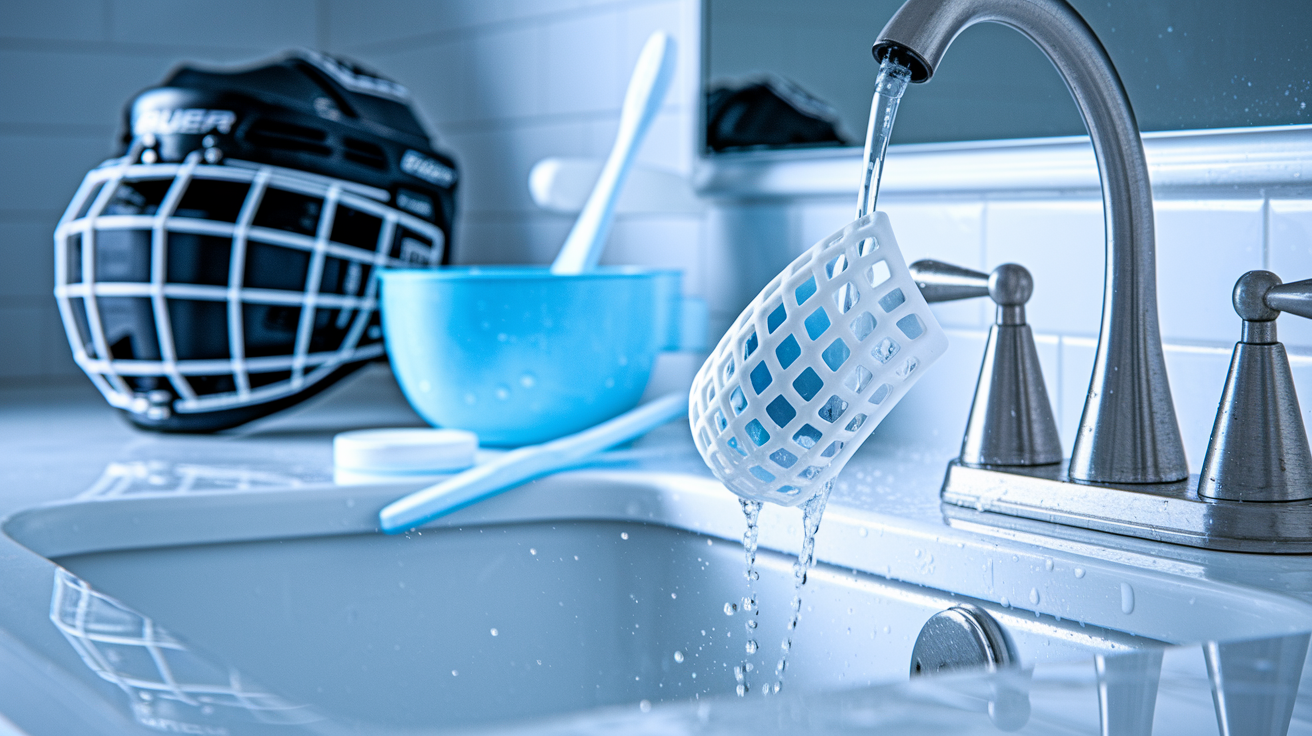
Proper maintenance extends guard life and prevents bacterial buildup that causes odor and potential oral infections. After each use, rinse the mouthguard immediately under cold running water to remove saliva, debris, and surface bacteria. Use a soft-bristle toothbrush and mild soap or toothpaste to gently scrub all surfaces, paying attention to crevices where material meets teeth impressions. Skip hot water, which can warp thermoplastic materials and distort fit.
Weekly deep cleaning keeps the guard fresh. Soak it for 10 to 15 minutes in a denture-cleaning solution, antimicrobial mouthguard spray, or a mixture of one part white vinegar to three parts water. Rinse thoroughly after soaking to remove chemical residue. Some players use ultrasonic cleaners designed for dental appliances, which vibrate away embedded particles without scrubbing. Store the mouthguard in a ventilated hard-shell case, never a sealed plastic bag or airtight container, which traps moisture and promotes bacterial growth. Don’t leave the case in direct sunlight, hot cars, or near heat sources. High temperatures warp the guard and compromise fit.
Five essential care actions:
Rinse with cold water immediately after every use to prevent bacterial film from hardening.
Brush with a soft toothbrush and mild soap weekly to remove surface buildup.
Soak in denture cleaner or diluted vinegar once per week for deep sanitation.
Store in a ventilated case in a cool, dry location away from heat and sunlight.
Inspect before each use for tears, compression, discoloration, or odor. Replace if any appear.
Replace your mouthguard every six months as a baseline, or sooner if you notice visible damage, persistent odor that cleaning doesn’t resolve, fit changes (looseness or pressure points), or after a major impact that deforms the material. Youth players experiencing dental growth should replace more frequently (every 3 to 6 months) to maintain proper coverage as teeth erupt and shift. Custom guards may remain effective beyond six months if inspected regularly and show no signs of wear, but the ADA-aligned recommendation prioritizes material freshness and best protection over maximum lifespan.
Final Comparison Matrix: Choosing Between Custom and Boil-and-Bite for Hockey
The decision between custom and boil-and-bite comes down to your playing level, budget, growth stage, and how much you value breathing comfort and retention during play. Custom mouthguards deliver the best overall protection, fit, and performance but require higher upfront investment and a longer lead time. Boil-and-bite guards offer acceptable protection at much lower cost with immediate availability, making them ideal for youth players, budget-conscious families, and recreational skaters who prioritize convenience over maximum performance.
| Factor | Custom Advantage | Boil-and-Bite Advantage |
|---|---|---|
| Protection & Impact Absorption | Multi-layer construction, precise tooth coverage, superior force distribution; 3.0–4.5 mm tailored thickness | Basic protection adequate for recreational play; widely available at sporting-goods stores |
| Fit & Retention | Exact dental anatomy replication; stays in place hands-free during collisions | Improved fit over stock guards; quick at-home molding in 10–20 minutes |
| Breathing & Performance | Thin profile optimized for airflow; minimal bulk; clear speech | Lower cost allows frequent replacement without financial strain |
| Durability & Lifespan | Lasts 2–5 years with proper care; resists compression and tearing | Immediate replacement available; no waiting for lab turnaround |
| Cost & Accessibility | Long-term value for frequent players; fewer replacements over multiple seasons | $10–$60 price range; no dentist visit or impression kit required |
| Best Use Case | Competitive players (high school, junior, college, pro); players with stable dentition; high-contact positions | Youth players with changing teeth; recreational skaters; budget-limited families; emergency replacements |
Final Words
On the ice, decisions are simple: protect the mouth and breathe. This review walked through protection, fit, breathing, durability, pricing, fitting steps, safety, and care, and showed when a custom guard earns its keep and when a boil-and-bite makes sense for growing players.
Use this mouthguard options for hockey players custom vs boil-and-bite review as a checklist: match level of play, budget, and replacement needs. Pick what stays in, lets you breathe, and lets you play hard. You’ll be safer and more confident next shift.
FAQ
Q: Are custom mouthguards better than boil-and-bite? Is it worth getting a custom mouth guard?
A: Custom mouthguards are generally better than boil-and-bite, offering superior fit, retention, breathing, and durability; they’re worth it for competitive players, less so for growing youth or tight budgets.
Q: Do pro hockey players use custom mouthguards?
A: Pro hockey players do use custom mouthguards, mostly for improved breathing, speech clarity, consistent retention, and better protection, especially at higher levels and in heavy-contact roles.
Q: What are the best mouth guards for hockey?
A: The best mouth guards for hockey are custom multi-layer models for competitive play and mid-tier boil-and-bite for youth and recreational players. Choose based on fit, retention, breathing, and coverage.