

Want your interview pitch to get opened instead of deleted?
Hockey editors get 300–500 emails a week, so your pitch has three seconds to prove it matters.
Make that time count: find the right editor at the outlet, lead with a one-sentence hook that names the player and the real tension, and prove you can deliver, on-record access, availability window, and a clear word count.
If you do those three things and tie the angle to a timely event like camp, the trade deadline, or the playoffs, editors will read the rest.
Immediate Steps to Pitch a Featured Hockey Interview Effectively

Pitching a hockey interview comes down to three things: the right editor’s name, a one-sentence hook that names a person and shows real tension, and proof you can actually deliver that interview. Hockey editors see hundreds of pitches every week. Some report 300 to 500 emails in seven days. Your pitch needs to answer one question fast: why does this person’s story matter now, and can you get it?
The hook should name the player, coach, or executive and show what’s at stake. “Veteran defenseman talks recovery after season-ending injury” doesn’t work. Try “How [Player] rebuilt his skating mechanics and his confidence after ACL surgery derailed his Calder campaign.” That version has tension, stakes, and a clear path forward. Pair it with access. Confirm the subject agreed to go on record and give a real availability window.
Timeliness pushes pitches to the front. Editors want stories tied to preseason camp (September), trade deadline (late February through early March), All-Star break (mid-February), playoffs (April through June), the NHL Draft (late June), and free agency (July 1). If your interview subject connects to one of those moments, say it in the first line.
Here’s how to send a hockey interview pitch right now:
- Find the correct editor by checking the masthead, recent bylines, or LinkedIn. Skip generic inboxes.
- Write a subject line that works like a headline: “[Player] profile — first interview since off-season surgery (exclusive)” or “Q&A offer: rookie forward on his first NHL goal and what comes next.”
- Define your angle in one sentence. Include the subject’s name, the central tension, and why it fits the outlet’s coverage.
- Verify access. Confirm the interview subject agreed to go on record. Note time constraints or embargo windows.
- Check timeliness. Anchor the pitch to a current event, roster move, or milestone.
- Send the email with two or three relevant clips, a proposed word count (typically 800 to 1,200 words for profiles, 1,200 to 1,800 for features), and a one or two line bio at the end.
Editors make fast decisions because they don’t have a choice. A pitch that buries the point in paragraph three or hides the access question gets passed over. Clarity and speed matter as much as the story.
Researching Hockey Publications Before Sending a Pitch

Before you write anything, search the target publication’s recent archive. Make sure your angle hasn’t already run. Editors expect you to know what they’ve covered in the past six months. If a site published a long profile on a player’s comeback story in October, pitching the same angle in December shows you didn’t look. Use the publication’s search bar, filter by date, and scan bylines in the section you’re targeting.
Next, find the right contact. Beat reporters cover daily news, roster moves, and game recaps. Feature editors assign longer profiles and magazine-length narratives. Pitching a 3,000-word deep dive to a beat reporter wastes everyone’s time. Check the masthead, review recent feature bylines, and follow editors on social platforms to see what they’re working on and asking for.
When building your contact list, verify the following:
- Recent bylines in the section you’re pitching (features, Q&A, longform).
- Social media bios and recent posts that mention calls for pitches or editorial priorities.
- Masthead titles. Look for “features editor,” “senior writer,” “deputy editor,” or section-specific roles.
- LinkedIn profiles that confirm the editor is still at the outlet and still covering hockey.
- Archive searches showing what angles and voices the editor has published in the last season.
Pitching a generic editorial inbox when a named editor is listed cuts your acceptance rate. Editors notice when you’ve taken time to address them directly and reference their recent work. A line like “I saw your October feature on goaltending coaches. Here’s a related angle from the player development side” shows you did your homework. Skip that step and editors can tell you’re mass-blasting the same pitch to dozens of outlets.
Crafting a Strong Hockey Interview Pitch Angle
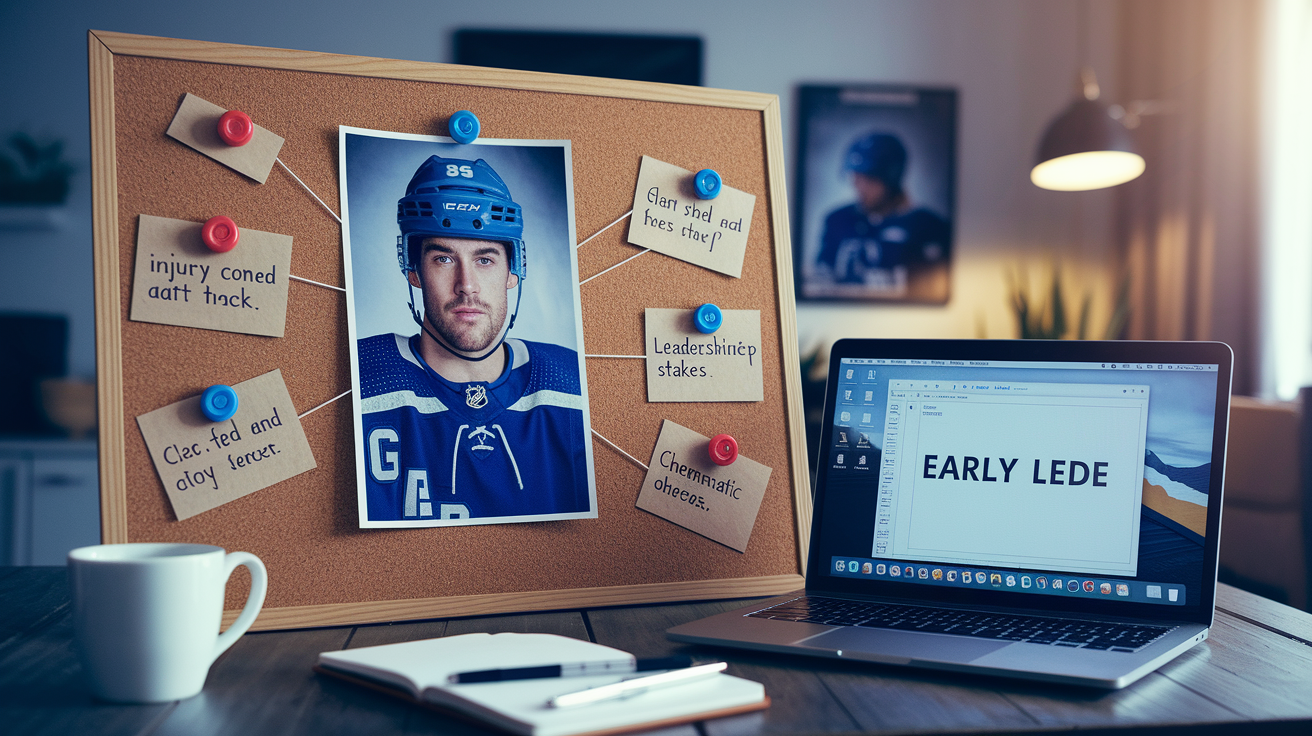
A strong pitch angle is a story, not a topic. “Profile of a player who overcame injury” is a topic. “Why [Player] had to relearn how to trust his knee and his teammates after missing 14 months” is a story. The second version names a person, a problem, and stakes. Editors want conflict, change, or discovery at the center.
Human interest angles work well in hockey because the sport’s culture values resilience, loyalty, and incremental progress. A junior player balancing NCAA recruitment and a part-time job to support his family is a human interest hook. A veteran forward mentoring rookies after a trade to a rebuilding team is another. These angles require on-record quotes and access to the subject’s daily life. Show the editor you can deliver scenes, not just statistics.
Data-driven features are growing in hockey coverage, especially at outlets with analytics desks. If your interview subject is a coach implementing zone-entry tracking or a player whose shot-assist rate outpaces his goal totals, frame the pitch around the numbers and explain what the interview will add. For example, “How [Player]’s transition game is creating scoring chances his teammates aren’t finishing. Interview includes on-ice walkthroughs and video breakdown” gives the editor a clear picture of the deliverable.
Selecting the Most Publishable Angle
Match your angle to the outlet’s readership. A youth development publication wants stories about junior pathways, coaching philosophies, and skill progression. A national sports outlet wants NHL roster drama, playoff narratives, or high-profile veteran profiles. A women’s hockey site prioritizes PWHL coverage, national team features, and grassroots growth stories. If you’re pitching a local beat reporter, tie the angle to community impact, hometown connections, or fan sentiment around a recent trade.
Writing Email Subject Lines That Hockey Editors Actually Open

The subject line is the working title of your piece, tailored to fit the publication’s voice. Treat it like a headline that has to earn a click in a crowded inbox. Editors open subject lines that name a person, signal exclusivity or timeliness, and hint at the story’s tension. Generic lines like “Feature pitch” or “Interview idea” get skipped.
Strong subject lines front-load the hook and clarify what you’re offering. “Profile pitch: how [Player] rebuilt his game after season-ending injury (exclusive interview confirmed)” tells the editor exactly what’s in the email. If you’re pitching a Q&A format, say so. “Q&A offer: veteran captain on leadership after trade to [Team]” sets expectations and shows you’ve thought about structure.
| Subject Line Type | Example |
|---|---|
| Exclusive interview with timely hook | [Player] profile — first interview since off-season surgery (exclusive) |
| Q&A format with event tie-in | Q&A: rookie goalie on first NHL shutout and playoff push |
| Feature idea with narrative angle | Feature: how [Player] balances AHL callups and family life in small-market hometown |
| Data-driven profile with access confirmed | Analytics feature: [Player]’s zone-exit efficiency and on-ice interview access |
Clarity beats creativity in sports pitches. Editors need to know what you’re offering and whether it fits their publication in the three seconds it takes to scan the subject line. If the line is vague or cute at the expense of information, the email stays unread.
Structuring a Professional Hockey Interview Pitch Email

A professional pitch email runs two to four short paragraphs. The first paragraph states the hook. Name the subject, the tension, and the timeliness in one or two sentences. The second paragraph explains why this story fits the outlet and what access you’ve secured. The third covers logistics: proposed word count, availability windows, and any exclusivity or embargo terms. The final paragraph includes two or three links to relevant clips and a one or two line bio.
Editors don’t want attachments unless they’ve asked for them. Don’t send a full draft, a detailed outline, or large image files in the initial pitch. Offer to provide a sample lede or a one-paragraph synopsis if the editor expresses interest. Keep the email tight. If you can’t make the case in 200 words, the pitch isn’t focused enough.
When structuring the email, include these eight components in order:
- Subject line using the working title.
- One-sentence hook naming the subject and the story’s central tension.
- Explanation of why the angle fits the publication’s recent coverage or editorial focus.
- Confirmed access details. On-record interview scheduled or player/agent approval secured.
- Proposed word count (800 to 1,200 words for profiles, 1,200 to 1,800 for deeper features).
- Timeliness or hockey-calendar tie-in (e.g., “Player available during training camp Sept 10–14”).
- Two or three links to published clips that match the pitch type (reported features for profiles, Q&As for interview pitches).
- One or two line bio at the end with a link to your portfolio or website.
Sample Cold Pitch Template
Subject: [Player] profile — how he’s remaking his game after trade (exclusive interview)
Body: [Player] was traded to [Team] at the deadline and has quietly become the team’s most reliable penalty killer. I have confirmed access for an on-record interview during the first week of April. Proposed length: 1,200 words. This angle ties to your recent coverage of deadline acquisitions and playoff depth. Clips: [link], [link]. I’m a freelance hockey writer based in [City], portfolio at [URL].
Sample Warm Pitch Template
Subject: Follow-up: Q&A with [Player] on leadership after captaincy announcement
Body: Following up on my pitch from last week. [Player] was named captain on Monday and is available for a 20-minute phone interview this Thursday or Friday. I’d structure this as an 800-word Q&A covering his first days in the role and how he’s approaching veteran leadership on a young roster. This fits your “Voices” section. Clips: [link], [link]. Let me know if you’d like a sample question list.
Timing Your Hockey Interview Pitch Around the Season

Editors prioritize pitches tied to the hockey calendar. Preseason and training camp (September) are perfect for forward-looking human interest features. Rookies making rosters, veterans fighting for roster spots, coaches implementing new systems. These stories give editors content during a slower news window before the regular season starts, and they set up storylines readers will follow all year.
The regular season (October through April) offers the widest range of timing hooks. Milestone games, winning or losing streaks, injury recoveries, and roster call-ups all create natural pegs for profiles. If you’re pitching during the season, tie your interview to something that happened in the last two weeks or something that’s about to happen in the next two. Editors need immediacy. They’re less likely to assign a feature that won’t publish for six weeks unless it’s a long-lead magazine piece.
Trade deadline (late February through early March) is the highest-stakes news cycle of the regular season. Pitches that focus on newly acquired players, veterans on expiring contracts, or front-office decision-making get the most traction. If your subject was just traded, you have a 72-hour window to pitch and land the assignment before the story goes stale. All-Star break (mid-February) works for lighter personality features or oddball angles that wouldn’t fit the intensity of playoff coverage. Playoffs (April through June) favor resilience narratives, underdog stories, and depth pieces on role players stepping up. NHL Draft (late June) and free agency (July 1) are strong hooks for prospect profiles, family-origin stories, and contract-decision features.
Use these six timely hooks to strengthen your pitch:
- Milestone achievements (first NHL goal, 100th career point, 500th game).
- Recent trades or signings with immediate roster impact.
- Playoff streaks, overtime heroics, or elimination-game performances.
- Draft preparation, combine results, or prospect rankings.
- Recovery and rehab stories tied to a player’s return date.
- Off-season training camps, summer leagues, or skills academies.
Providing Multimedia Assets and Supporting Materials
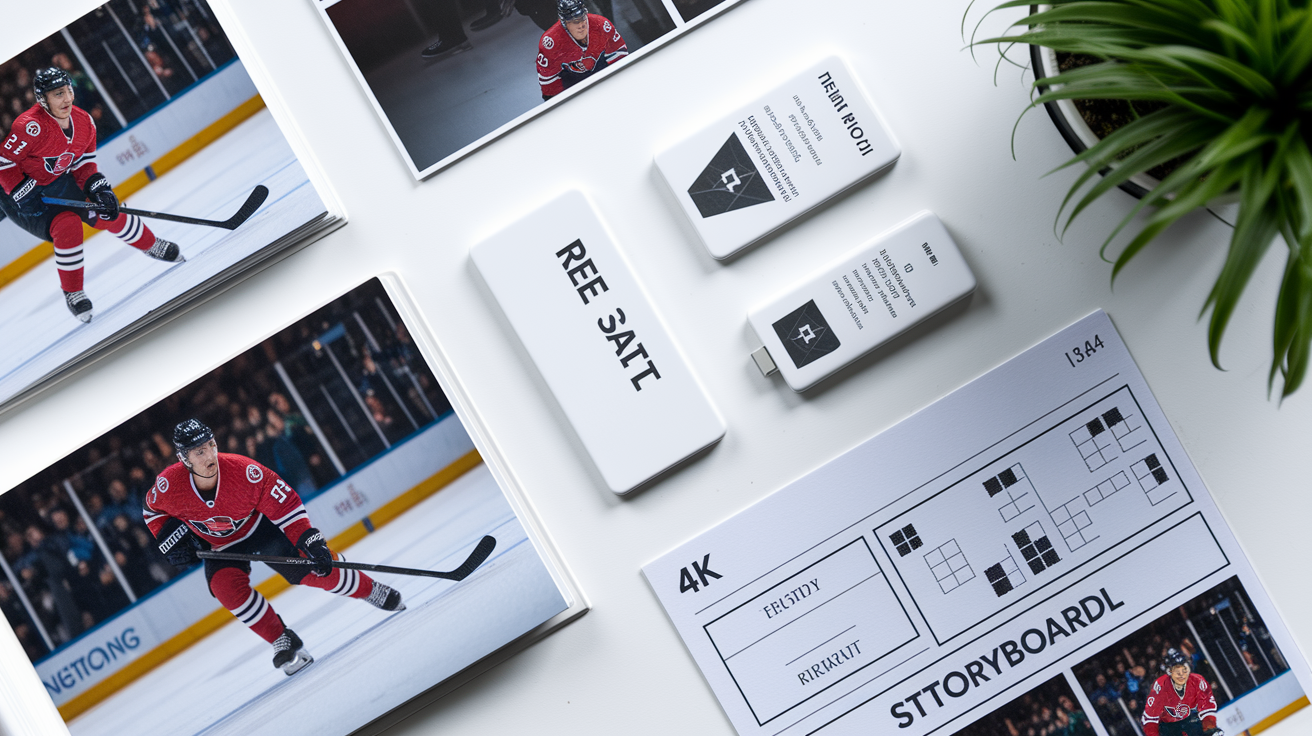
Some editors will want high-resolution images, video clips, or B-roll to accompany your feature. Don’t attach large files to the initial pitch. Instead, mention that you can provide photo access, link to a highlight reel, or supply game footage with proper attribution. If you’ve already arranged for a team photographer to shoot the interview or you have access to archival images through the player’s agent, note that in the pitch.
Offering to provide a full transcription after the interview can help editors who are short on production support. If you’re pitching a Q&A format, mention that you’ll deliver a clean transcript with timestamps and speaker labels. Stats sheets, training logs, or analytics breakdowns can add depth to data-driven features. Offer to share those materials once the assignment is confirmed.
Here’s what you can include to strengthen the pitch:
- Links to publicly available highlight reels or YouTube game footage.
- Confirmation that the subject or team will provide high-res photos with proper rights.
- Offer to supply a post-interview transcript for Q&A pieces.
- Stats sheets or analytics breakdowns if you’re pitching a data-driven feature.
Following Up With Hockey Editors After Sending a Pitch

Send your first follow-up three to five business days after the initial pitch. Keep it to one short paragraph. Restate the hook in one sentence, remind the editor of the availability window (e.g., “Player is available for interviews through Friday, April 12”), and offer to send a sample lede or a brief outline if that would help. Don’t apologize for following up. Polite persistence is expected in freelance pitching.
If you don’t hear back after the first follow-up, send a final check-in seven to ten business days later. This email should be even shorter. Acknowledge that the editor is busy, restate the hook one more time, and let them know you’re moving on if you don’t hear back. After two follow-ups with no response, stop. Spamming an editor’s inbox reduces your chances of landing future assignments.
Here’s the follow-up cadence in five steps:
- Wait three to five business days after the initial pitch.
- Send a one-paragraph follow-up restating the hook and noting any time-sensitive windows.
- Offer to provide additional materials (sample lede, question list, or outline).
- If no response, send a final follow-up seven to ten business days later.
- Stop after two follow-ups total unless the editor asks you to continue the conversation.
When an editor responds with a rejection, thank them briefly and ask if they’d be open to other ideas in the future. If they offer feedback (“This angle is too similar to something we just ran” or “We’re not assigning long features to new contributors right now”), use that information to refine your next pitch. Rejections are part of the process. Editors remember writers who handle them professionally.
Common Mistakes When Pitching Hockey Interviews

Mass-emailing the same generic pitch to dozens of editors is the fastest way to get ignored. Editors can tell when you’ve pasted their name into a template without reading their publication. Personalization takes an extra two minutes per pitch, and it’s the difference between a response and silence.
The most common pitching mistakes include:
- Sending identical pitches to multiple outlets without tailoring the angle or referencing recent coverage.
- Promising access to a high-profile player or coach without confirming the interview is actually scheduled.
- Leading with a long bio or irrelevant credentials instead of the story hook.
- Attaching full drafts, large image files, or unsolicited multimedia before the editor has expressed interest.
- Pitching stale angles that were covered by the same outlet in the past six months.
- Using vague subject lines like “Story idea” or “Freelance pitch” that don’t signal what’s inside the email.
Editors prioritize pitches that show you’ve done the research. If you reference a recent feature the outlet published and explain how your pitch builds on or diverges from that coverage, you immediately stand out. Personalization signals that you’re pitching a specific story to a specific editor, not running a spray-and-pray campaign. That small investment in research improves your acceptance rate and builds relationships that lead to repeat assignments.
Final Words
You’ve got the angle, the subject line, and confirmed access – now send the pitch.
This guide covered picking the right editor, shaping a conflict-driven angle, subject lines that act like headlines, a tight 2-4 paragraph email, seasonal timing, multimedia links, and a short follow-up plan.
When you’re ready, use the checklist on how to pitch a featured interview to sports editors at hockey publications: be specific, prove access, and tie your angle to a timely hook. Do that and editors notice – you’ll move from inbox to byline.
FAQ
Q: How do I pitch to a magazine editor? How do I pitch a story to a newspaper editor?
A: Pitching to a magazine or newspaper editor means targeting the right editor, opening with a one-sentence hook, proving timeliness and exclusive access, proposing word count, and linking 2–3 clips in a 2–4 paragraph email.
Q: What are the 3 C’s of pitching?
A: The 3 C’s of pitching are clear, concise, and compelling: state the angle in one sentence, keep the email short, and explain why the story matters to that outlet.
Q: What are 5 key elements of a pitch?
A: The five key elements of a pitch are a strong hook/angle, timeliness or exclusivity, confirmed access, suggested length and clips, plus a brief bio and clear subject line.