

What if a 15-minute interview matters more than your highlight tape?
Coaches use interviews to test what stats and scouting reports can’t show: clarity, coachability, and how you handle pressure.
Featured player interviews shape recruiting choices by revealing character, communication, and marketability — the things that move a recruit up the board, change scholarship money, or even wipe you off the board.
This post explains how coaches judge those moments and what players should practice next.
How Interviews Shape Immediate College Recruiting Decisions

Coaches use interviews to test what tape and stats can’t measure. A recruit might post a 4.0 GPA, run a fast 40, and draw interest from multiple programs. But one fifteen-minute conversation can move that player from scholarship priority to walk-on consideration or drop them from the board completely.
Interviews expose communication clarity, emotional control, and how you handle real-time pressure. Coaches listen for humility, honesty, accountability. When a recruit blames teammates for a recent loss or dismisses coaching feedback with sarcasm, the program sees a culture risk. Evidence from 65 interviews with college coaches and athletic directors confirms that communication missteps affect scholarship offers as much as poor game performance. A 17-year college coaching veteran who’s worked across NCAA Division I, II, and NAIA says coaches routinely eliminate recruits because of behavior and communication lapses they see during interviews or public appearances.
Interviews also determine whether you get full financial support, partial aid, or just a walk-on invitation. Coaches use these conversations to validate scouting reports and cross-check social media behavior, sideline conduct, interpersonal style. If your interview persona matches your on-field professionalism, trust goes up and scholarship investment becomes easier to justify. If the interview reveals entitlement, inconsistency, or poor adversity response, the coach typically downgrades your priority or pulls the offer to protect roster chemistry and scholarship budget. Programs see recruiting athletes with character red flags as poor business practice because reversing those investments is difficult and expensive.
Interviews affect five specific recruiting decisions coaches make during evaluation:
Scholarship amount adjustment. Strong interview performance can move a recruit from 40 percent aid to full ride. Weak answers reduce the offered amount or pull the offer entirely.
Removal from the recruiting board. Coaches eliminate recruits immediately when interviews reveal blame-shifting, dishonesty, or inability to handle adversity constructively.
Elevated recruiting priority. Recruits who articulate goals clearly, show emotional intelligence, and demonstrate coachability move up the list and receive earlier offers.
Shift to walk-on status. When interview performance contradicts on-field talent, coaches may invite the athlete to join the team without scholarship support to minimize financial and roster risk.
Request for additional meetings. Programs uncertain about fit or character after the first interview often schedule follow-up conversations with the recruit’s family, high school coach, or teammates to gather more evidence.
Evaluating Communication Skills in Featured Athlete Interviews
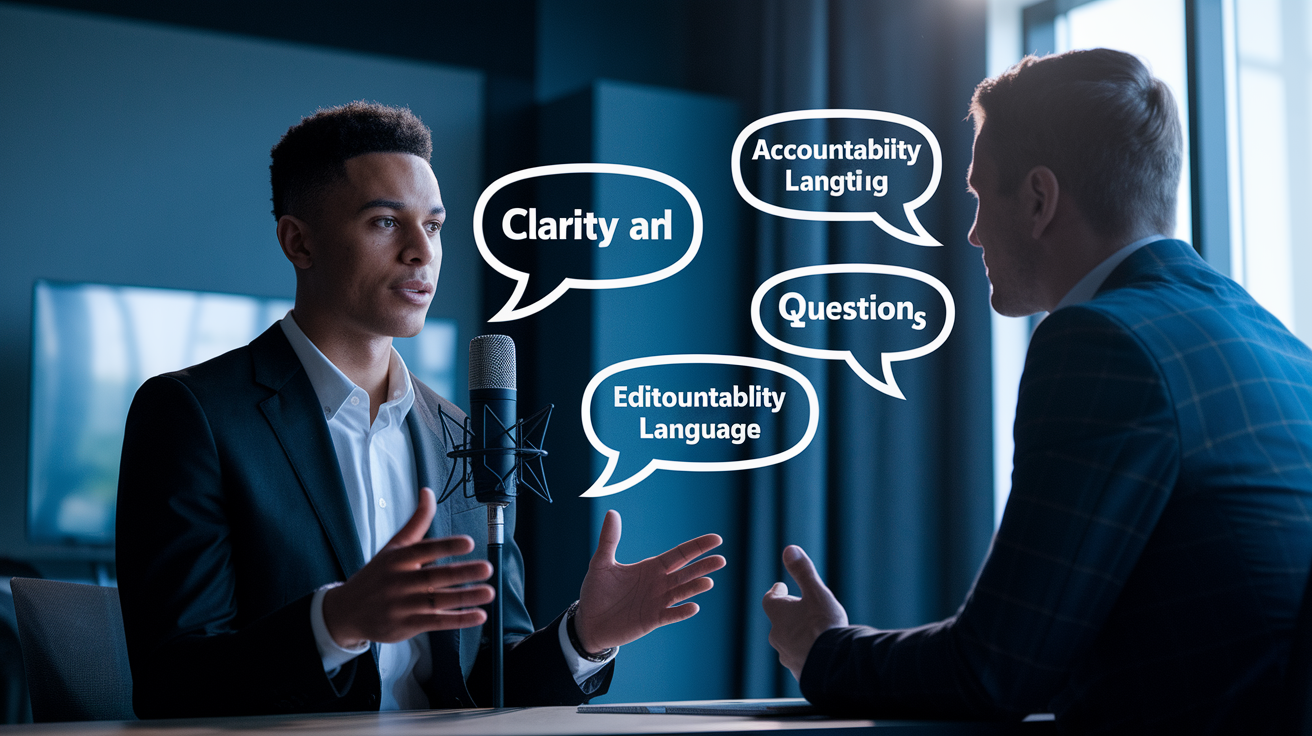
Coaches prioritize communication skills because they’re controllable, observable, and predictive of team cohesion. You can improve strength, speed, and tactical understanding over months. But clarity, emotional regulation, and respectful tone signal current maturity.
Interviews give coaches insight into how you respond to adversity, receive feedback, and articulate goals. Strong interpersonal skills reduce perceived roster risk because coaches know you can navigate locker-room conflict, media responsibilities, and academic challenges without constant supervision. Interview impressions often reinforce or contradict scout reports, making communication evaluation a critical checkpoint before scholarship dollars get committed.
When a recruit answers questions with vague generalities, deflects responsibility, or interrupts, coaches interpret those behaviors as early warning signs. Recruits who acknowledge weaknesses honestly, describe specific improvement plans, and ask thoughtful questions about program culture demonstrate coachability and self-awareness. These qualities matter because college rosters function as small businesses where every member affects productivity, morale, and public reputation. Coaches listen for consistency between your stated values and documented behavior on the field, in the classroom, on social media.
| Skill | What Coaches Infer | Recruiting Impact |
|---|---|---|
| Clarity and brevity | Mental organization, confidence, ability to process information under pressure | Higher scholarship offer, earlier decision timeline |
| Accountability language | Emotional maturity, willingness to own mistakes, coachability | Increased trust, elevated priority on board |
| Question-asking | Genuine interest, research effort, long-term commitment mindset | Reduced perceived flight risk, stronger cultural fit assessment |
Consistency across multiple interviews and touchpoints builds coach confidence that your public persona matches your private character. Programs often conduct several informal conversations, one or two formal interviews, and multiple social interactions during official visits. If tone, story details, or stated priorities shift between settings, coaches flag you as a higher-risk investment and either reduce the offer or continue monitoring before making a final commitment.
Marketability, Media Presence, and Their Recruiting Influence

Interviews increase recruit visibility and establish public personas that shape both immediate recruiting outcomes and long-term NIL potential. College athletes collectively hold approximately 283.6 million social media followers, with 184.6 million on Instagram and 93.3 million on TikTok. When you participate in a media feature or high-profile interview, that content reaches current followers and expands discoverability for coaches, fans, and brand partners.
NIL spending is projected to exceed $2.55 billion annually by 2026, making media competence a measurable recruiting asset. Programs evaluate whether you can represent the school professionally in interviews, because strong media performance drives ticket sales, donor engagement, and enrollment interest.
Women’s sports NIL deal volume rose 36 percent year-over-year, outpacing men’s growth. Women athletes who excel in interviews often secure larger endorsement opportunities, and coaches factor that marketability into scholarship decisions. A recruit who demonstrates poise, authenticity, and storytelling skill in media settings brings added value beyond on-field production.
The Mere Exposure Effect explains why repeated media appearances increase familiarity and emotional connection, making a program more attractive to other recruits, casual fans, and prospective students. Interviews function as real-time case studies where uncommitted recruits watch how current athletes handle questions, describe campus life, and discuss NIL pathways. Those observations directly influence program choice and scholarship acceptance.
In professional women’s sports, 80 percent of social media views originate from athlete-generated content rather than team or league accounts. The same pattern holds in college athletics, where recruit-produced interviews and features generate more authentic engagement than official program marketing. Coaches recognize that athletes who can create compelling content become recruitment and enrollment tools. When an interview goes viral or receives positive press coverage, your perceived value increases even if stats remain static.
Interviews boost or reduce athlete marketability through four primary mechanisms:
Demonstration of brand readiness. Recruits who articulate personal values, acknowledge sponsors appropriately, and stay on-message show they can manage NIL partnerships without constant staff oversight.
Proof of media training. Smooth delivery, eye contact, and concise answers signal you’ve invested time in communication skills, reducing the risk of public-relations incidents.
Amplification of personal story. Compelling narratives about overcoming adversity, family background, or community impact increase fan loyalty and donor interest, which coaches use in fundraising and ticket sales.
Exposure of character gaps. Poor tone, arrogance, or inconsistent messaging in interviews can trigger negative social media reactions, reducing NIL appeal and causing coaches to downgrade scholarship offers to protect program reputation.
Character Assessment Through Featured Player Interviews

Coaches evaluate recruits using four core pillars: great players, great students, great people, great teammates. The final two categories depend heavily on interview performance because character and interpersonal behavior are harder to measure through stats or highlight video.
Interviews help coaches detect honesty, humility, and consistency by observing how you discuss mistakes, describe teammates, and respond to hypothetical adversity scenarios. When you blame referees for a playoff loss, minimize academic struggles, or speak dismissively about a former coach, the program sees entitlement and lack of accountability. Those red flags can negate high athletic and academic qualifications because coaches know one toxic personality disrupts locker-room culture and team performance.
Coaches routinely cross-reference interview remarks with sideline behavior, social media activity, and feedback from high school coaches. If you present as humble and team-focused in the interview but were observed berating teammates during a showcase game, the inconsistency raises immediate concern. A goalkeeper who threw gloves, stormed off at halftime, and shouted loudly enough for multiple coaches within a 100-yard radius to hear was eliminated from consideration by every program watching that weekend, regardless of save percentage or recruiting ranking.
Interview missteps produce the same outcome when recruits shift blame, exaggerate accomplishments, or fail to show genuine interest in the program’s values and academic offerings.
Top character red flags coaches watch for during interviews:
Blame-shifting language. Recruits who attribute every setback to external factors (referees, weather, teammates, injuries) rather than acknowledging personal responsibility.
Disrespectful tone toward authority. Sarcasm, dismissive body language, or negative comments about previous coaches, teachers, or officials.
Exaggeration or dishonesty. Overstating stats, falsely claiming interest from higher-level programs, or misrepresenting academic performance.
Lack of curiosity. Recruits who ask no questions about academics, campus culture, or team expectations signal low engagement and high transfer risk.
Inability to discuss adversity constructively. Vague answers, emotional defensiveness, or refusal to describe lessons learned from failure indicate poor self-awareness and limited coachability.
Comparing Live Interviews, Media Features, and Social Media Conversations
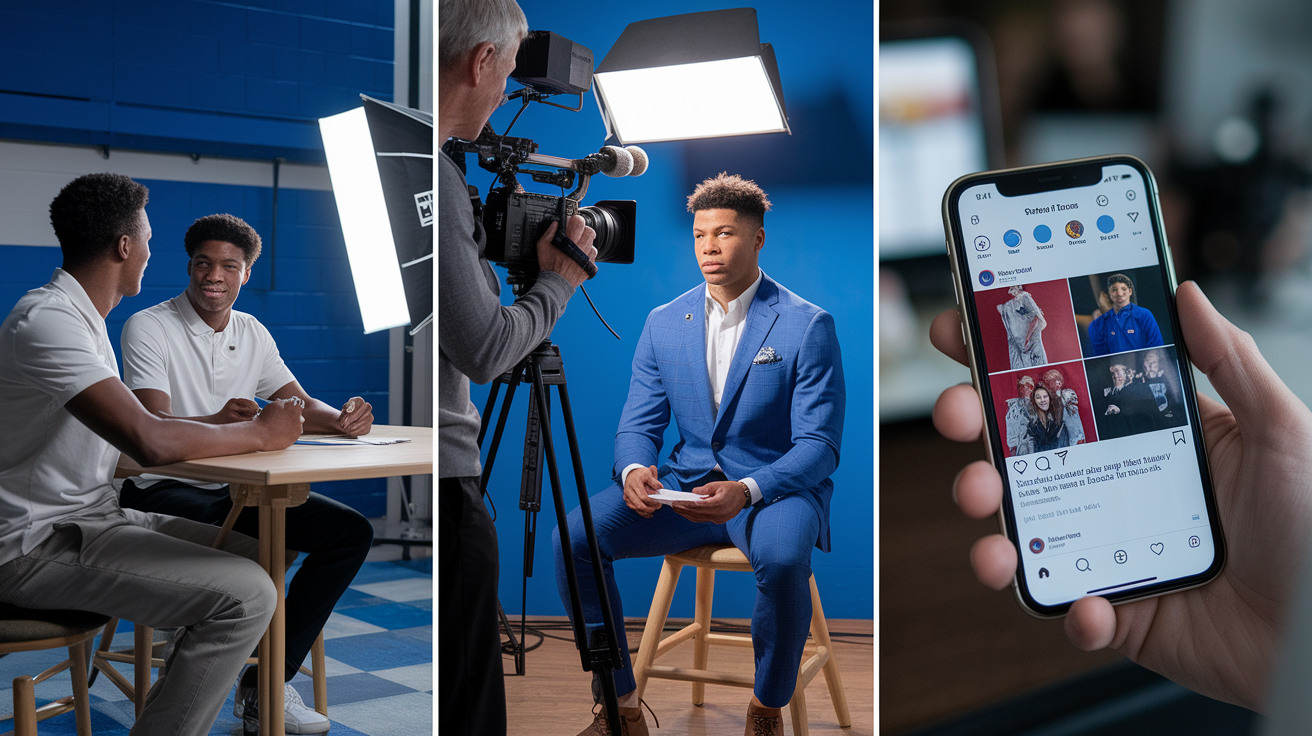
Coaches build a composite character profile by comparing what you say in live interviews, how you present in media features, and what you post or share on social platforms. A recruit who speaks respectfully in a one-on-one meeting but retweets inflammatory political content or posts disrespectful memes creates doubt about authenticity and judgment.
Coaches routinely check Instagram, Twitter, TikTok, and Facebook during the evaluation process. One recruit was removed from a program’s list after coaches reviewed Twitter activity and found retweets and original posts deemed inappropriate. The content contradicted the recruit’s polished interview persona and raised concerns about whether the athlete understood professional boundaries.
Live interviews let coaches ask follow-up questions, observe nonverbal cues, and test emotional regulation in real time. Media features offer insight into how you handle scripted or semi-scripted environments, manage public visibility, and control messaging. Social media reveals unfiltered opinions, peer interactions, and daily decision-making.
When all three sources align, coaches gain confidence in your consistency and cultural fit. When they diverge, the program investigates further or withdraws interest to avoid roster risk. Sideline behavior serves as a fourth data point because coaches know athletes reveal true character under competitive stress. Interviews can confirm or contradict what coaches observe during games, and programs prioritize recruits whose interview answers match their on-field composure.
Cross-platform consistency also affects how quickly coaches move through the recruiting timeline. A recruit whose media feature, social accounts, and live interview all demonstrate maturity, accountability, and team-first language accelerates decision-making because the coach has multiple confirming data points. A recruit with inconsistent messaging across platforms triggers additional vetting, delayed offers, or conditional scholarship terms until the program gathers more evidence.
| Medium | What Coaches Evaluate | Risk Level |
|---|---|---|
| Live Interview | Real-time thinking, emotional control, body language, question quality, ability to handle unexpected prompts | Medium — coaches can probe inconsistencies but recruits may rehearse answers |
| Media Feature | Storytelling ability, on-camera presence, messaging discipline, brand readiness, comfort with public exposure | Low to Medium — often edited or coached, but still reveals communication skill and media aptitude |
| Social Media | Unfiltered opinions, peer interactions, decision-making patterns, tone toward authority, consistency with stated values | High — public, permanent, and often impulsive; one post can eliminate a recruit from consideration |
How Interview Performance Affects Scholarship Levels and Offer Timing
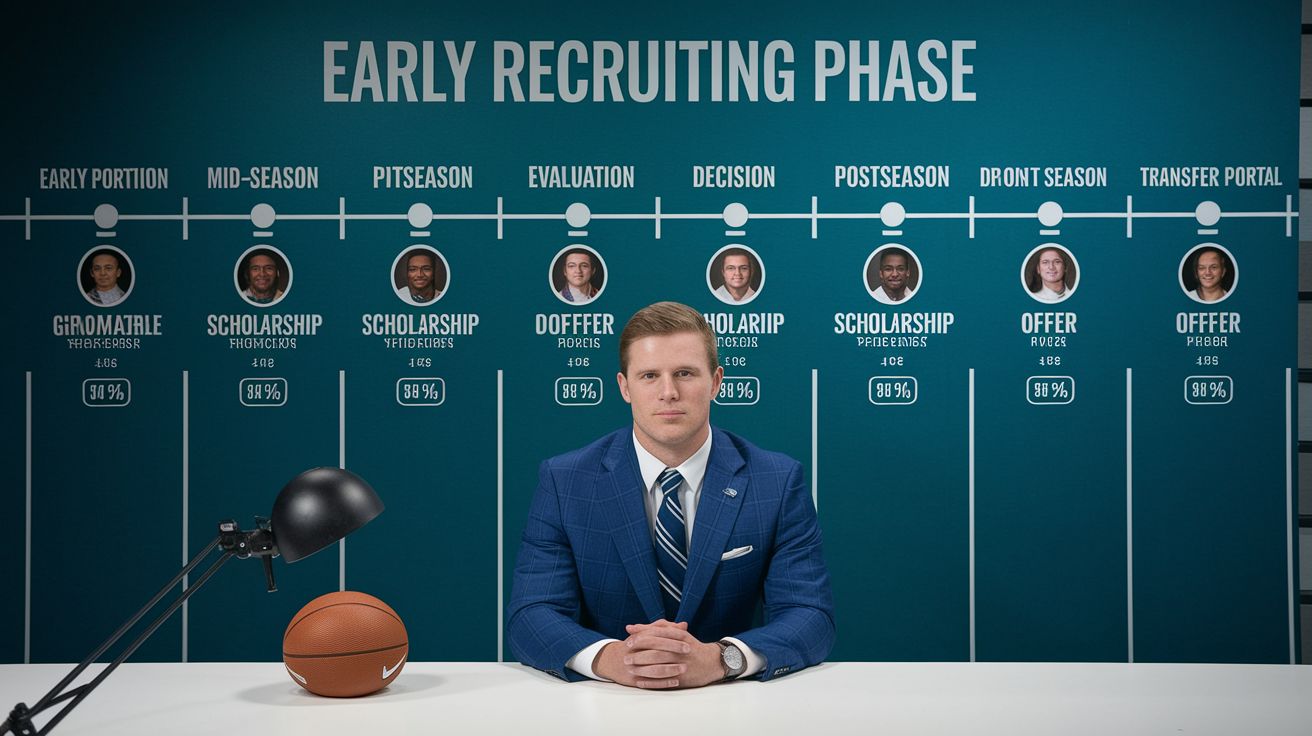
Scholarship decisions hinge on whether coaches believe you’ll contribute athletically, succeed academically, integrate culturally, and represent the program professionally. Interview performance directly influences all four factors, making communication quality a lever that accelerates or delays offers and adjusts financial aid amounts.
A recruit who demonstrates clear goals, acknowledges development needs, and asks insightful questions about team culture often receives earlier offers at higher scholarship percentages because the coach sees reduced risk and higher cultural fit. A recruit who delivers vague answers, avoids accountability, or shows little preparation for the interview signals either low interest or poor self-awareness, prompting the coach to slow the timeline, reduce the offer, or eliminate the player entirely.
One poor interview can negate months of positive scouting reports. Coaches invest measurable time, energy, and recruiting resources into each prospect, and reversing those investments to prioritize a different recruit requires admitting a prior error. Interview impressions rarely get overturned unless new evidence emerges through additional meetings or strong endorsements from trusted third parties.
Programs that operate on tight budgets or limited roster spots can’t afford to gamble on recruits whose interviews reveal character concerns, even if athletic talent appears elite. The interview becomes a final checkpoint before scholarship dollars and roster space get committed.
Interview performance changes recruiting timelines in four distinct contexts:
Early recruiting phase. Strong interviews during junior-year showcases or unofficial visits can trigger immediate verbal offers or priority-board placements, shortening the decision cycle by several months.
Midseason evaluation. Recruits who perform well in midseason interviews often receive expedited official-visit invitations and earlier National Letter of Intent discussions, while weak interviews delay those milestones until coaches gather additional evidence.
Postseason decision period. Interviews conducted after final games or playoffs determine whether conditional offers become firm commitments or whether programs pivot to other recruits still in the evaluation pipeline.
Transfer portal context. Interviews with transfer candidates occur on compressed timelines, and strong communication performance can secure immediate roster spots and scholarship packages within days, while poor interviews eliminate transfers from consideration before campus visits occur.
Timing shifts affect roster planning because coaches build multi-year projection frameworks. Programs classify recruits into one-year, two-year, or three-year development plans based on talent assessment, personality fit, and projected contribution timeline. Interview outcomes help determine those classifications.
A recruit who interviews confidently and demonstrates leadership may move from a three-year plan to a two-year plan, accelerating playing-time expectations. A recruit whose interview reveals immaturity or poor team-first mentality may drop from a two-year plan to a three-year plan or exit the plan entirely if the coach believes the athlete won’t integrate successfully.
Official Visit Conversations and On-Campus Interview Dynamics

Official visits extend the interview process into multi-day evaluations where coaches observe you in social settings, academic tours, meals, and informal conversations with current players. These interactions function as unscripted character assessments where body language, tone, and interpersonal engagement reveal cultural fit more clearly than formal sit-down interviews.
Coaches evaluate how you treat support staff, whether you ask thoughtful questions during facility tours, and how you respond when current teammates share honest feedback about program demands. Family involvement also factors into evaluation, as coaches listen to how parents communicate, whether they defer to you during decision discussions, and whether family expectations align with program realities.
Teammate impressions during official visits influence final recruiting decisions because current players understand locker-room dynamics and can identify recruits who will mesh with or disrupt team culture. Programs often assign host players to spend extended time with recruits, then debrief coaches after the visit.
If hosts report that a recruit was dismissive, entitled, or uninterested in campus life beyond athletics, the coach may downgrade the offer or withdraw it entirely. Recruits often misjudge which programs are actively interested, assuming that an official-visit invitation guarantees a scholarship offer. In reality, coaches use visits to validate or eliminate recruits from their boards. A recruit who interviews well on paper but fails to connect authentically during the visit frequently loses the opportunity because the program identifies better-fit candidates.
Programs place recruits into one-year, two-year, or three-year projection plans based partly on conversation outcomes during official visits. A one-year plan recruit is expected to contribute immediately and potentially match current top players. A two-year plan recruit, the most common classification, is expected to become a major contributor by the end of sophomore year. A three-year plan recruit requires significant development, patience, and long-range commitment.
Coaches form these projections by assessing athletic talent, personality fit, and communication quality. If you demonstrate maturity and team-first language during on-campus conversations, the coach may shorten the development timeline and invest more scholarship dollars up front. If you struggle to articulate goals or show poor emotional intelligence, the coach extends the timeline or moves you to walk-on consideration.
Coaches analyze three specific areas during family-involved conversations on official visits:
Alignment of expectations. Whether you and your family understand realistic playing-time projections, scholarship limits, and academic requirements without overestimating your immediate impact.
Decision-making authority. Who leads the conversation (recruit or parent), how the family processes feedback, and whether you show independence and ownership of the college choice.
Respect and professionalism. How the family treats coaches, staff, and current players, including tone, punctuality, and willingness to engage authentically rather than performing or negotiating aggressively.
Preparing Athletes for High-Visibility Interview Settings

Interviews reveal coachability, personality fit, and maturity in ways that game film and transcripts can’t. Poor communication can eliminate scholarship chances despite strong stats, while strong interview performance can elevate your priority and unlock additional financial aid.
Coaches expect you to manage emotions, represent yourself professionally, and demonstrate genuine interest in the program’s academic and cultural offerings. On-campus and media interviews increasingly affect NIL value because brands seek athletes who can deliver clear, authentic messaging without constant supervision. Preparation reduces anxiety, sharpens answers, and builds confidence that translates into stronger coach impressions.
Practical Preparation Steps
-
Research the program thoroughly. Review the team’s recent record, coaching staff bios, academic support services, and campus culture so questions and answers demonstrate genuine interest.
-
Practice common interview questions aloud. Rehearse answers to prompts about strengths, weaknesses, goals, adversity response, and why the program fits personal and athletic development plans.
-
Prepare three to five thoughtful questions. Ask about team culture, coach expectations, academic support, NIL policies, or player development programs to show engagement and long-term thinking.
-
Record mock interviews on video. Watch playback to identify filler words, poor posture, weak eye contact, or vague language, then refine delivery until answers sound natural and concise.
-
Involve a coach, teacher, or mentor in mock sessions. Simulate real interview pressure by asking someone outside the family to conduct a practice interview and provide honest feedback.
-
Plan and rehearse personal stories. Identify two to three specific examples of overcoming adversity, demonstrating leadership, or learning from failure, then practice telling those stories in under two minutes.
Common Interview Mistakes
Recruits undermine scholarship opportunities when they fail to prepare, rely on generic answers, or ignore nonverbal communication cues. Coaches interpret these mistakes as signals of low interest, poor self-awareness, or limited coachability, all of which reduce trust and increase perceived roster risk.
Common interview mistakes that reduce scholarship likelihood:
Giving one-word or vague answers. Responses like “I work hard” or “I’m a good teammate” lack specificity and fail to differentiate you from others.
Failing to ask any questions. Recruits who sit passively signal low engagement, limited research effort, and minimal genuine interest in the program.
Speaking negatively about former coaches or teammates. Blame-shifting or criticizing past experiences reveals poor accountability and raises red flags about locker-room behavior.
Checking phone or showing distracted body language. Poor eye contact, fidgeting, or glancing at devices during the interview communicates disrespect and lack of focus.
Exaggerating accomplishments or lying. Inflating stats, falsely claiming other offers, or misrepresenting academic performance destroys trust immediately and often eliminates you from consideration.
Day-Of Interview Checklist
Arrive ten minutes early to demonstrate punctuality and allow time to settle nerves before the conversation begins.
Dress one level above casual. Clean, well-fitting clothes that show respect for the opportunity without requiring formal business attire.
Bring a notepad and pen to jot down key points, show organizational habits, and reference notes when asking follow-up questions.
Silence and store phone completely. Avoid any risk of interruption or distraction by turning off devices and keeping them out of sight.
Prepare a brief introduction. Practice a 30-second summary covering name, position, hometown, and one or two athletic or academic highlights.
Plan a closing thank-you statement. End the interview by expressing genuine appreciation for the coach’s time and reaffirming interest in the program.
Final Words
In the action, this article walked through how coaches use featured interviews to judge communication, character, and marketability. We showed how interviews shift scholarship offers, timing, and roster priority.
Practical prep steps and clear red flags give you tangible things to work on now. Consistency across visits, media, and social posts matters more than most players think.
Keep practicing responses, control sideline behavior, and polish public presence. When you focus on those areas, you’ll change how featured player interviews influence college recruiting decisions, and improve your odds of getting the offer you want.
FAQ
Q: What factors influence a player’s recruitment decision?
A: The factors that influence a player’s recruitment decision are athletic ability, position fit, academics, coach relationship, playing-time chance, scholarship level, character and communication, medical history, NIL potential, and location.
Q: What is the 40-60-80 rule?
A: The 40-60-80 rule is a recruiting shorthand: at 40% a player gets noticed, at 60% they’re under serious consideration, and at 80% coaches will likely offer or prioritize them.
Q: What is the hardest sport to get recruited for college?
A: The hardest sport to get recruited for college is often men’s Division I basketball because tiny rosters and huge talent pools limit openings; hockey, baseball, and specialty positions can be equally tight by level.
Q: What are red flags for college coaches?
A: Red flags for college coaches are poor communication, blame-shifting, entitlement, inconsistent stories, bad sideline or social-media behavior, refusal to take coaching, academic problems, and undisclosed injury history.