

Most player profiles read like a stat sheet, predictable and shallow.
If you want a long-form interview that actually captures a player’s story, you need to do two things: over-prepare and ask the right, specific questions.
This post shows how to research career timelines, spot the gaps that hide good stories, and craft eight to twelve open prompts that pull out moments, routines, and tough choices.
Do it right and your profile won’t just list facts, it’ll feel like the player’s shift on the ice.
How to Prepare for an In‑Depth Hockey Player Interview

A long-form hockey player profile lives or dies on what you learn before you start recording. Over-research to the point where you could write a short biography without the interview. That depth gives you the power to ask questions the player hasn’t been asked fifty times before, and it lets you spot when an answer doesn’t match the public record.
Start by pulling every stat line, roster sheet, and box score from the player’s career. Know which teams they played for, when they moved levels, and what their role was in each season. Check junior clubs, college programs, international tournaments, and pro leagues. Write down exact dates for milestones like draft year, first pro game, major injuries, and coaching changes.
Then move beyond numbers. Read old interviews, watch post-game video, and scan social media for personal interests, training routines, or statements about the game. Look for contradictions, gaps, or shifts in tone that signal an untold story.
Next, identify the narrative angle before you walk into the room. Is this a comeback story? A role-acceptance journey? A late bloomer who rewrote expectations? A leader navigating team culture? Pick one thread that matters now and build your prep around it.
Here are five concrete prep steps:
- Review recent games and season stats. Watch shifts if possible. Note role, linemates, ice time, and key moments that reveal character or skill.
- Map team context. Understand the team’s place in the standings, coaching philosophy, roster changes, and how the player fits the system.
- Research full career history. Collect junior teams, selection camps, college years, pro leagues, injuries, trades, and personal milestones with exact dates.
- Identify story themes. Look for pivotal moments like role changes, injury recoveries, leadership turning points, or off-ice passions that add depth.
- Draft advanced interview questions. Write 8 to 12 open-ended prompts designed to elicit reflection, emotion, and specifics. Not yes-or-no answers.
Techniques for Conducting a Strong Hockey Player Interview

The best interviews feel like conversations. Not interrogations. Open with a soft question that lets the player settle in, then move to the material that matters. Use open-ended prompts that start with “describe,” “walk me through,” or “what was going through your mind when.” Those force narrative answers instead of one-word replies.
Listen actively and let silence do some of the work. If a player finishes an answer and you wait two seconds, they’ll often fill the gap with the most honest thing they’ve said all day.
Follow-ups are where the real reporting happens. When a player mentions a turning point, ask for the exact date, the score, who else was in the room, and what happened next. If they reference a coach or teammate, get the name and a specific story. Push gently past clichés like “we just took it one shift at a time” by asking, “What does that actually look like in the third period when you’re down a goal?”
The goal is to collect 8 to 12 distinctive quotes that reveal personality, process, or perspective.
Asking Questions That Reveal Personality
Move past surface-level career talk by asking about decisions, doubts, and moments when the outcome wasn’t certain. Try prompts like “Describe the worst practice of your career and what you learned,” or “Tell me about a time a coach told you something you didn’t want to hear.” These dig into character and process.
Ask about routines, superstitions, pre-game meals, or what they do in the 20 minutes before puck drop. The small, concrete details make the profile feel lived-in.
At the end of the interview, ask if there’s a question you should have asked but didn’t. That’s often when players offer the story that becomes your lede.
Structuring a Long‑Form Hockey Player Profile

A long-form profile needs a spine. The most reliable structure starts with a vivid lede that drops the reader into a scene or pivotal moment, then pulls back to give career context in the nut graf. From there, move chronologically or thematically through the player’s arc, anchoring each section with quotes and weaving in stats, dates, and research to support the narrative.
Use quotes as the primary voice. Let the player explain their own journey in their own words, then layer in reported detail to add context or tension. For example, a quote about battling for ice time becomes sharper when you note the player was a 40-goal junior scorer now playing fourth-line minutes.
Balance emotional moments with hard facts like games played, injury timelines, or team records to keep the profile grounded.
Break the piece into narrative acts or thematic sections so readers can follow the through-line. A college player’s profile might move from early life and junior hockey, to the grind of Division 1 schedules, to present-day pro aspirations. Insert pull quotes every 400 to 600 words to vary the pace and highlight key revelations.
Close with a reflective or forward-looking line that recontextualizes the player’s story and leaves the reader with a final impression.
Crafting Questions That Go Beyond Stats

Stats tell you what happened. Questions about mindset, adversity, and process tell you why it happened and what it cost.
Instead of asking “How many points did you have that season?” ask “What was the moment you realized you’d turned a corner?” or “Describe the injury that almost ended your career and how you got back on the ice.” Those prompts force players to reflect and reconstruct scenes, which is where the best material lives.
Probe relationships and roles. Ask about mentors, linemates, or coaches who changed the way they see the game. Ask how they handled being moved from top line to checking line, or what it felt like to be a healthy scratch when family drove eight hours to watch. Questions about off-ice life, daily routines, and sacrifice reveal personality and stakes in ways highlight reels never will.
Here are six question types that produce richer answers:
- Pivotal-moment prompts. “Describe the moment you knew you’d make the next level.”
- Process and preparation. “Walk me through a 6:30 a.m. practice. What’s the first drill, and how do you stay sharp?”
- Adversity and adaptation. “What’s the hardest adjustment you’ve had to make, and how long did it take?”
- Relationships and influence. “Who’s the coach or teammate who changed the way you think about hockey?”
- Sacrifice and tradeoff. “What did you give up to play at this level, and was it worth it?”
- Reflection and regret. “If you could go back and redo one season, which would it be and why?”
Examples of Strong Hockey Player Profiles
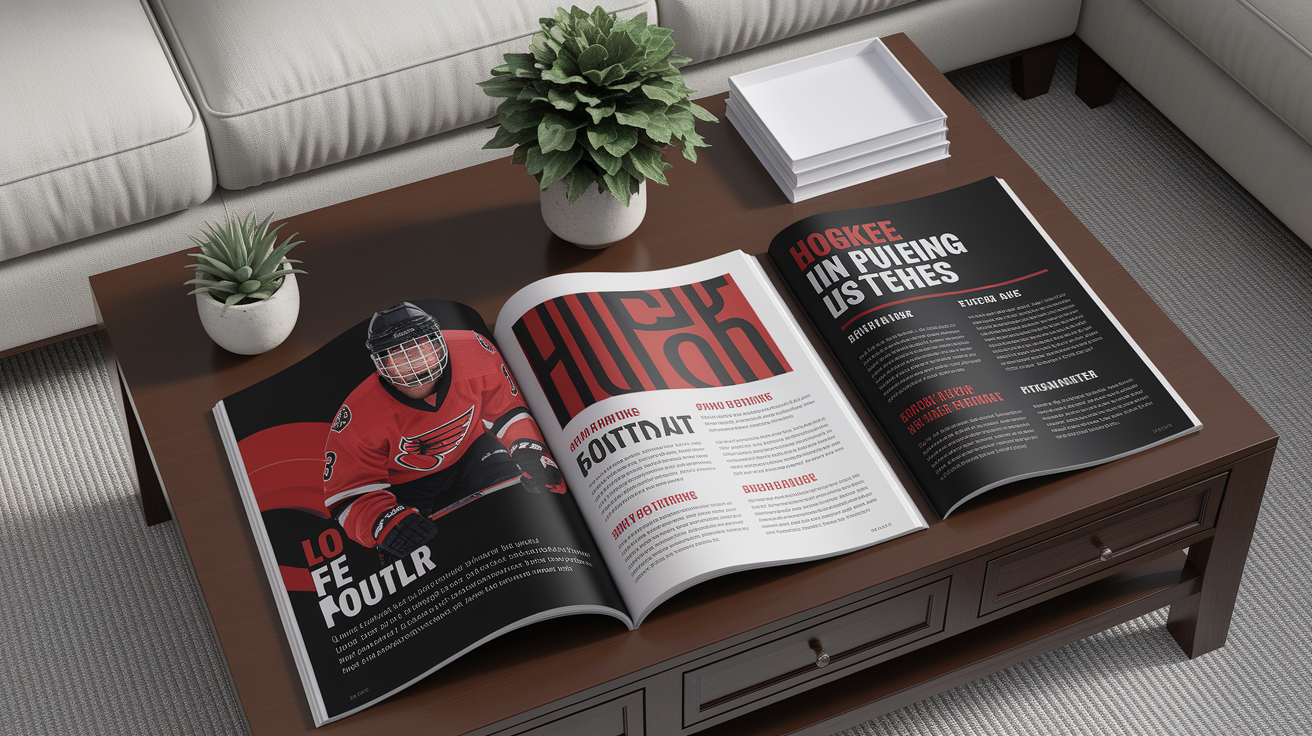
The best hockey profiles anchor a career arc to a single defining question or moment, then build outward with detail, voice, and context. A profile of a late-round draft pick who became a shutdown defenseman might open with a shift in a playoff game where the player blocked three shots in 90 seconds, then pull back to explore the junior years when scouts dismissed him as too slow.
Another might follow a goalie’s mental-health journey by starting with the night they walked out of the rink mid-season and didn’t come back for six months.
Strong profiles balance action with reflection. They show the reader what the player does on the ice, then explain what drives them off it. The writing stays grounded in reported fact but lets the subject’s voice dominate. A feature on a college player grinding through a 90-minute morning practice, four classes, and an evening study session tells a fuller story than a career stats recap ever could.
| Profile Theme | Description | Why It Works |
|---|---|---|
| Role Acceptance Journey | Follows a high-scoring junior player adapting to a fourth-line checking role in college or pro hockey | Reveals humility, team-first mindset, and the gap between junior stardom and next-level reality |
| Comeback After Injury | Chronicles surgery, rehab timeline, and the mental battle to return to game speed | Combines concrete medical detail with emotional stakes. Readers root for recovery and relate to setbacks |
| Leadership Evolution | Tracks a player’s growth from quiet rookie to team captain, using locker-room anecdotes and coach quotes | Shows character development over time and lets teammates and coaches add third-party credibility |
Final Words
Start with prep: research recent games, team role, and career milestones. Then run the interview with open questions and active listening so you pull stories, not stats.
Turn quotes and anecdotes into a simple long form structure that balances context, stats, and personality. Practice prompts about mindset, leadership, and adversity, and study strong profile examples.
Make this your goal: learn how to write a long-form hockey player profile interview that feels like a shift on the ice. Do that and you’ll leave readers with a story that matters.
FAQ
Q: How to write a profile interview?
A: To write a profile interview, start with deep player research, craft open-ended questions tied to unique angles, gather vivid quotes, and build a clear narrative that blends stats with human moments.
Q: What are the 5 C’s of interviewing and the 3 C’s of interviewing?
A: The 5 C’s often are competence, curiosity, clarity, composure, and connection. The 3 C’s commonly used are competence, confidence, and communication. Terms and emphasis can vary by coach or outlet.
Q: What is the biggest red flag to hear when being interviewed?
A: The biggest red flag to hear when being interviewed is scripted, vague answers or refusal to discuss specifics, which signals poor fit, lack of insight, or low preparation.