

Would you put your child in a program without asking the coach five clear questions first?
Those opening questions, about coaching philosophy, playing time, practice expectations, and communication, tell you whether the program actually fits your family.
This post lays out the exact questions to ask, why each one matters, and what good and bad answers look like in real rink situations.
Ask these up front and you’ll save time, avoid surprises, and give your child a season that actually helps them get better.
Core Questions to Ask First to Evaluate a Coach’s Fit for Your Child
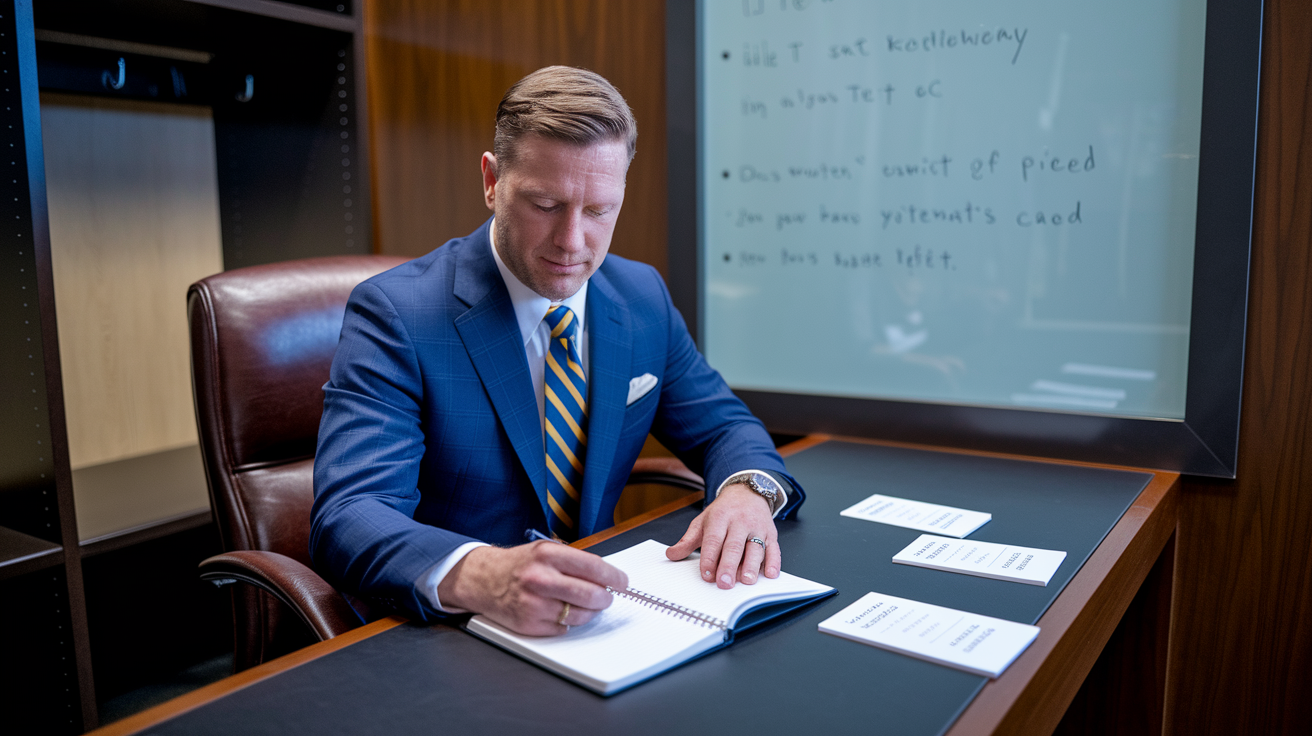
The first few questions you ask a high school hockey coach will tell you almost everything you need to know about whether the program makes sense for your family. Start with coaching philosophy, experience level, and basic expectations. If a coach struggles to answer clearly or dodges the question entirely, that’s useful information. You’re not trying to grill anyone. You’re gathering facts that help you make a good decision before your child commits time, money, and energy to the season.
A coach’s philosophy and experience shape how your child will spend hundreds of hours over the next several months. A coach who prioritizes long-term skill building will run practices differently than one focused on short-term wins. A coach with ten years of high school experience will manage a locker room differently than someone coaching their first season. These aren’t good or bad differences. They’re just differences that matter when you’re trying to match your child’s needs to the right program.
Early transparency saves headaches later. If a coach expects five practices per week and your family can manage three, it’s better to know that in August than in October. If the coach plans to use a strict merit system for playing time and your child is still learning positional play, you’ll want to discuss that before tryouts. Clear answers up front help everyone set realistic expectations.
- What’s your coaching philosophy, and how do you define success for this team?
- How many years have you coached at the high school level, and what certifications do you hold?
- What’s the expected weekly time commitment for practices, games, and off-ice training?
- How do you communicate with parents and players throughout the season?
- What’s your policy on playing time and how is it determined?
- How do you handle conflicts or disagreements with players or parents?
Understanding a Coach’s Background, Experience, and Track Record
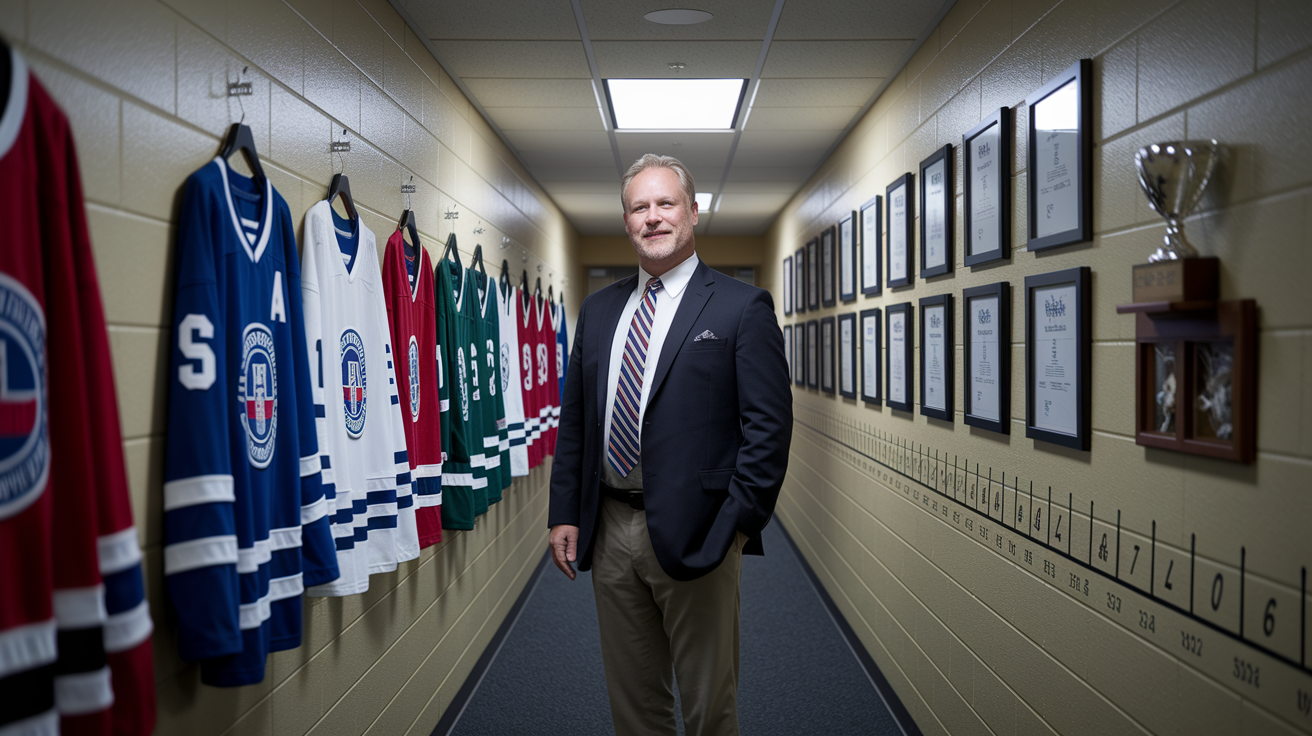
Experience and credentials give you a baseline for what a coach knows and how they’ve performed in similar settings. Ask how many years they’ve coached high school hockey and what levels they’ve worked with before. A coach who has spent five seasons at the varsity level will have a different skill set than someone moving up from youth hockey or stepping into their first head-coaching role. Both can be effective, but you want to know what you’re working with. Certifications matter too. USA Hockey coaching certifications, SafeSport training, and first-aid credentials show that a coach has completed formal education and meets basic safety standards.
Track record includes more than win-loss numbers. Ask if the coach has helped players advance to higher levels like junior hockey, prep school, or college programs. Ask about playoff appearances, league championships, or other measurable results. Also ask about player retention. High turnover can signal problems with culture, communication, or playing-time decisions. If half the roster quits midseason or doesn’t return the following year, find out why.
- How many seasons have you coached high school hockey, and at what levels?
- What coaching certifications and safety training have you completed?
- How many of your former players have advanced to junior, prep, or college hockey?
- What were the team’s win-loss records and playoff results in recent seasons?
- What’s your typical player retention rate from one season to the next?
Coaching Philosophy, Development Approach, and On-Ice Strategy

A coach’s philosophy shapes every decision they make, from practice structure to line assignments to how they talk to players after a tough loss. Some coaches prioritize competitive results and will lean heavily on the top players to win games. Others emphasize equal development and rotate lines more evenly to give younger or less experienced athletes meaningful ice time. Neither approach is wrong, but they produce very different experiences. Ask the coach directly: “What’s more important to you, winning games or developing players?” Listen for how they balance the two. A thoughtful answer will acknowledge both and explain how they make trade-offs.
Development approach reveals how a coach plans to improve your child’s skills over the season. Ask what the typical practice structure looks like. How much time is spent on skating drills versus systems work versus conditioning? Does the coach run position-specific skill sessions or is everything full team? Find out if the coach uses video review, individual development plans, or measurable benchmarks like skating speed tests or shooting accuracy drills. The more specific the answer, the more likely the coach has a real plan.
On-ice strategy tells you what kind of hockey the team will play. Ask about forechecking systems, defensive zone coverage, special teams structure, and line matching. If your child is a smaller, skilled forward, a dump-and-chase system may not fit their strengths. If they’re a big defenseman who struggles with foot speed, a high-pressure forecheck might put them in tough spots. Understanding the system helps you assess whether your child’s skillset matches what the coach will ask them to do.
Player Development Focus
Player development is the part of coaching that matters most for long-term growth. Ask how the coach assesses individual players at the start of the season and sets goals for improvement. Does the coach provide written feedback, hold one-on-one meetings, or track measurable progress throughout the year? Some coaches use formal evaluation software to generate report cards after every practice. Others rely on informal observation and occasional conversations. Both can work, but you want to know what method your child will experience.
Practice structure should include a mix of skill work, tactical drills, and conditioning. Ask how often the coach focuses on fundamental skills like edge work, puck handling, and shot mechanics versus team systems and scrimmages. For younger high school players or those new to competitive hockey, skill development should take up a significant portion of practice time. For older, more experienced rosters, the balance may shift toward systems and game preparation.
Off-ice training expectations vary widely by program. Some coaches require structured strength and conditioning sessions, while others leave off-ice work up to the player and family. Ask how many hours per week the coach expects players to spend on off-ice training, whether the program provides access to a trainer or facility, and if there are specific performance benchmarks players are expected to hit.
Playing Time, Line Assignments, and Team Role Expectations
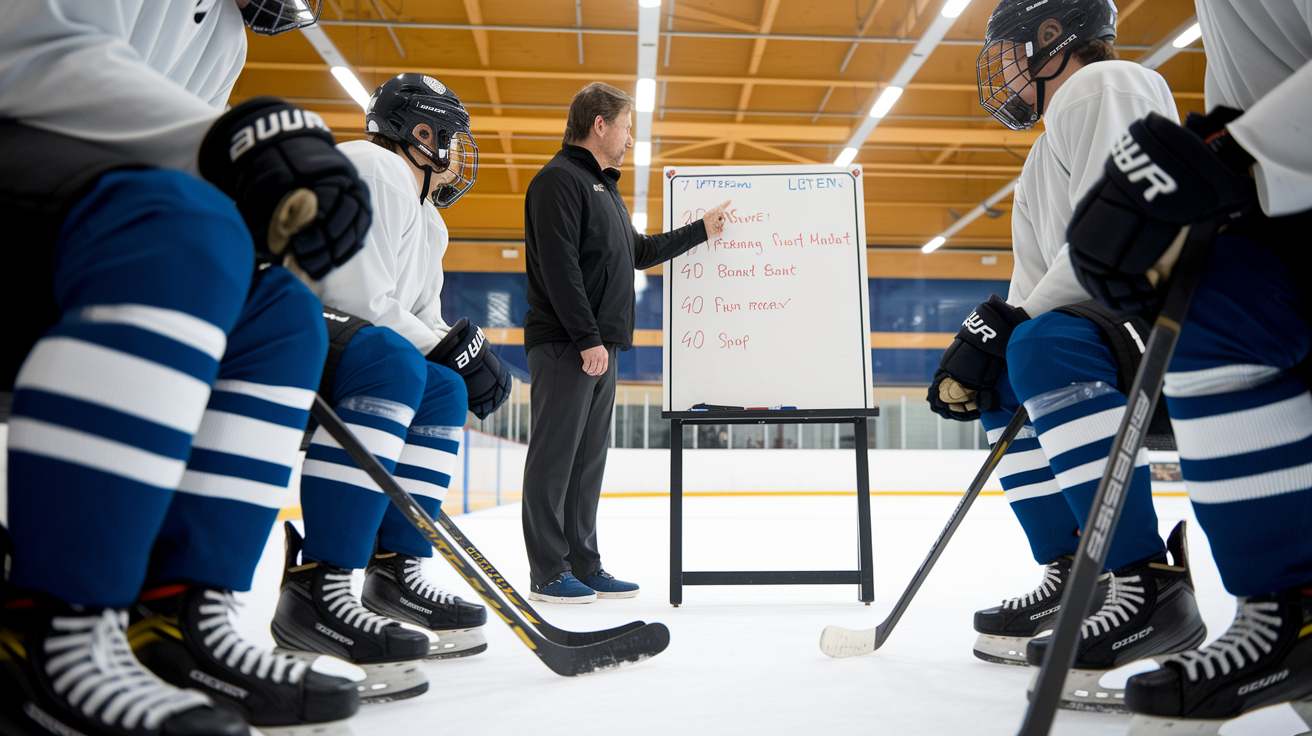
Playing time is one of the most common sources of frustration for players and parents. Ask the coach to explain their playing-time policy clearly and specifically. Is ice time equal for all players, or is it merit-based? If it’s merit-based, what are the criteria: practice effort, game performance, seniority, or positional need? Some coaches guarantee a minimum rotation for every dressed player. Others play their top lines heavily and use the bench sparingly in close games. Neither is inherently unfair, but you need to know which system the coach uses so you can set realistic expectations with your child.
Line assignments and role clarity matter just as much as total minutes. Ask how the coach decides line combinations and whether those lines are fixed or flexible throughout the season. Find out if players are given defined roles, like a shutdown defensive pair or an energy line, and how those roles are communicated. If your child ends up in a limited role, will the coach explain why and what they need to improve to earn more responsibility? Transparency around roles prevents confusion and resentment.
Disputes over playing time happen. Ask the coach how they handle complaints or questions from players and parents. Is there a process for appealing a decision or requesting a meeting? How quickly will the coach respond? Some coaches have an open-door policy and welcome conversations. Others set strict boundaries and prefer that all communication flow through the player first. Knowing the process in advance prevents awkward misunderstandings.
- What’s your playing-time policy: equal rotation, merit-based, or role-specific?
- How do you communicate line assignments and role expectations to players?
- If a player or parent has concerns about ice time, what’s the process for discussing it?
- Do you guarantee a minimum number of shifts per game for every dressed player?
Communication Methods, Parent Interaction, and Player Feedback Style

Effective communication is one of the clearest indicators of a well-run program. Ask how often the coach communicates with parents and what channels they use: email, team app, group text, or scheduled meetings. Some coaches send weekly updates with practice schedules, game recaps, and reminders. Others communicate only when necessary. Find out the coach’s expected response time for parent questions and whether they prefer to handle issues through the player first or directly with the family.
Player feedback style shapes how your child learns and stays motivated. Ask how the coach delivers feedback: in the moment during practice, after games in the locker room, or in scheduled one-on-one meetings. Does the coach focus on positive reinforcement, constructive criticism, or both? How does the coach handle mistakes on the ice? The best coaches teach through errors rather than punish them, but coaching styles vary widely.
Boundaries between coach and parent are healthy and necessary. Ask the coach what topics they’re willing to discuss with parents and what falls outside that scope. Most coaches will talk about team logistics, safety concerns, and general development, but won’t debate in-game decisions or compare players. Understanding those boundaries helps you avoid putting the coach in an uncomfortable position or damaging your child’s relationship with the team.
- How often will you communicate with parents, and through what channels?
- How do you provide feedback to players, and how often?
- What’s your policy on parent-coach meetings, and what topics are appropriate to discuss?
- If a parent has a concern, what’s the best way and time to bring it up?
Safety Standards, Injury Prevention, and Concussion Protocols
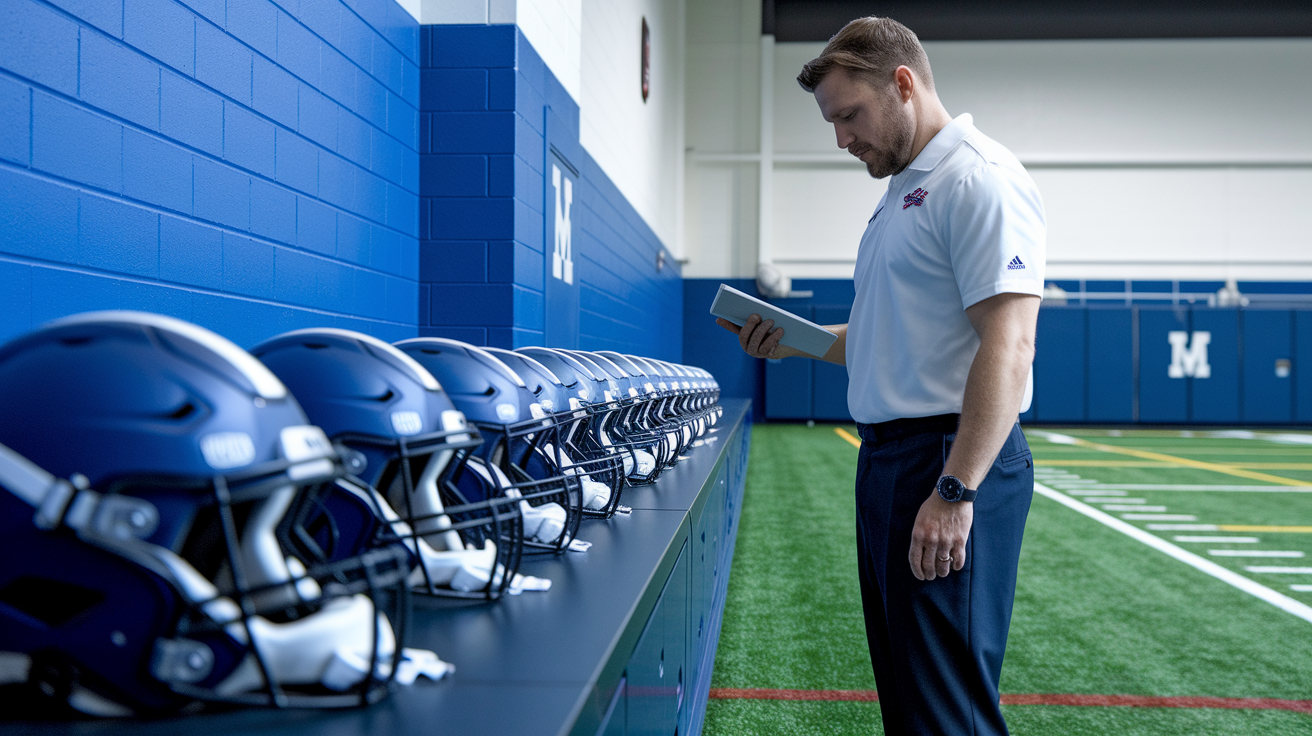
Safety is non-negotiable. High school hockey carries real risks, especially around head injuries, so you need to know exactly how the coach and program handle concussions, equipment standards, and emergency situations. Ask what the concussion protocol is and whether it follows USA Hockey or state association guidelines. Find out if players undergo baseline concussion testing before the season and what the return-to-play process looks like after a suspected head injury. A coach who can’t answer these questions clearly is a red flag.
Injury prevention starts with proper equipment and good practice design. Ask what equipment inspections the coach conducts and whether helmets, mouthguards, and other protective gear are checked regularly. Find out if the program has access to a certified athletic trainer at practices and games, and if there’s a first-aid plan in place for serious injuries. Ask how the coach manages contact levels in practice to reduce unnecessary injury risk while still preparing players for game situations.
Emergency preparedness should be documented and rehearsed. Ask if the coach has first-aid and CPR certification, where the nearest AED is located, and what the plan is if a player is seriously injured during a game or practice. You want to hear specific steps: who calls 911, who stays with the injured player, how parents are notified, and where the emergency contact information is stored. A well-prepared coach will have clear answers.
| Safety Topic | What Parents Should Ask |
|---|---|
| Concussion Protocol | What’s your concussion protocol, and do you use baseline testing? What’s the return-to-play process? |
| Equipment Standards | How often are helmets, cages, and protective gear inspected? What are the equipment requirements? |
| On-Ice Supervision | What’s the coach-to-player ratio during practice? Are assistant coaches or managers present at all sessions? |
| Medical Support | Is a certified athletic trainer available at games and practices? Where’s the nearest AED located? |
| Emergency Plan | What’s the documented emergency response plan if a player is seriously injured? Who’s responsible for each step? |
Team Culture, Discipline Policies, and Off-Ice Expectations
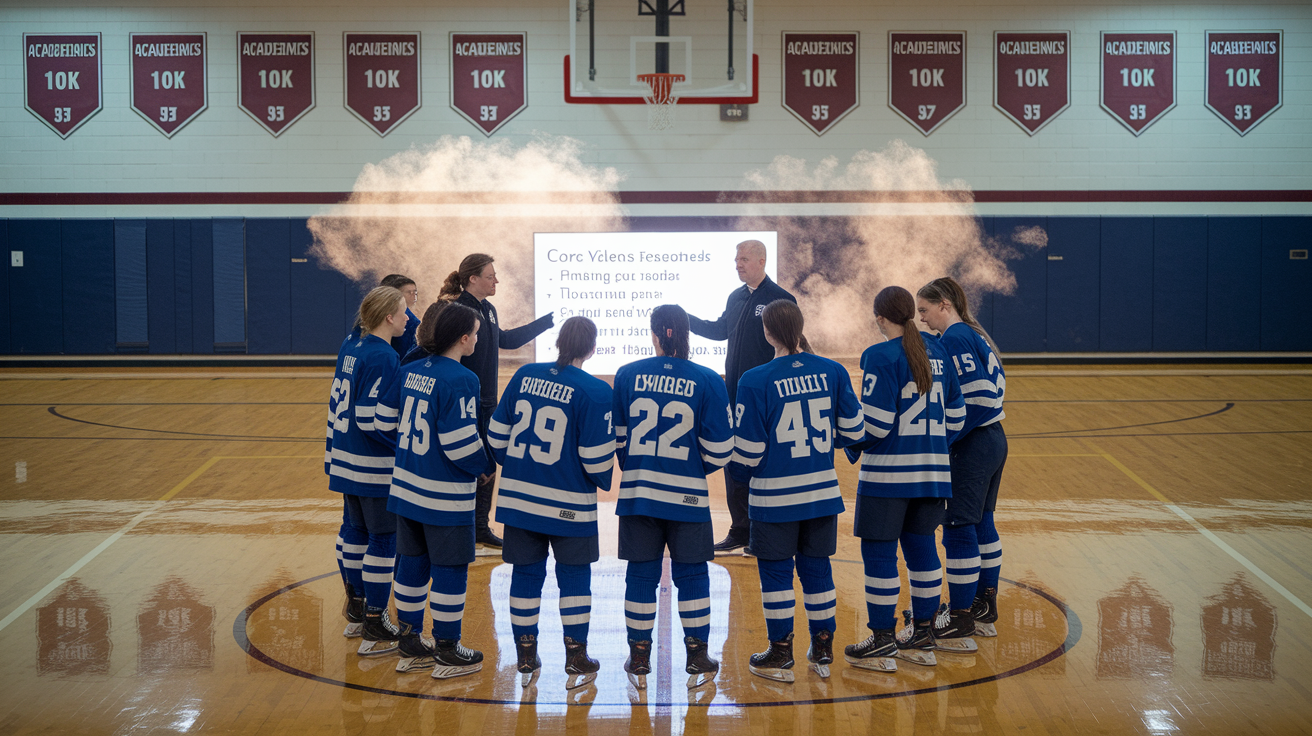
Team culture is built through clear expectations and consistent follow-through. Ask the coach how they define the team’s culture and what behaviors they emphasize: accountability, effort, sportsmanship, or something else. Find out if there are written team rules and what happens when a player breaks them. Some coaches use progressive discipline, others have zero-tolerance policies for certain behaviors. You want to know what the standards are and how they’re enforced so your child understands the consequences before they make a mistake.
Off-ice expectations often extend beyond the rink. Many high school programs have academic requirements, social media guidelines, locker-room conduct rules, and policies around community service or team events. Ask if the coach requires a minimum GPA or study hall participation. Ask how the team handles travel behavior, curfews on road trips, and representation of the program in school. These expectations shape the experience and teach responsibility, but they also add obligations your family needs to plan for.
- What are the team’s core values, and how do you reinforce them throughout the season?
- What are the written rules around conduct, academics, and off-ice behavior?
- How do you handle discipline, and what’s the process for repeat violations?
- Are there academic requirements, community service expectations, or mandatory team events?
- How do you address conflicts between teammates or issues in the locker room?
Final Words
In the action, you focused on core fit questions, a coach’s background, philosophy and on-ice strategy, playing-time rules, communication style, safety protocols, and team culture.
Those areas show how a coach develops players, handles parents, and keeps kids safe. Ask the listed questions early and watch a practice to confirm answers.
Use the checklists, follow up with clear examples from the coach, and trust your instincts. That way you’ll know what to ask when interviewing a high school hockey coach for your child and find a coach who helps them grow.
FAQ
Q: What are the 4 C’s of coaching hockey and the 5 C’s of coaching?
A: The 4 C’s of coaching hockey are Character, Communication, Competence, and Consistency. A common 5 C’s adds Commitment (or Confidence) to stress coach dedication and player belief.
Q: What to ask hockey coaches?
A: When asking hockey coaches, ask about coaching philosophy, season time commitment, playing-time policy, player development plan, communication methods with parents, and safety/concussion protocols.
Q: How to prepare for a high school coaching interview?
A: To prepare for a high school coaching interview, research the program, clarify your coaching philosophy, bring sample practice plans, outline player-development and discipline approaches, and prepare concrete answers about safety and parent communication.