

Most teams waste tournament weekends with the wrong training.
You can play three games in 24 hours and still have fast legs.
But only if you protect explosive power, manage fatigue, and prioritize neuromuscular readiness.
This post lays out simple, rink-ready conditioning and recovery protocols you can use before, during, and between games.
You’ll get a pre-week taper, a 15-25 minute warm-up, active cooldowns, foam-rolling checks, and exact nutrition and hydration timing that speeds recovery.
No fluff, just steps that keep your team sharp shift after shift.
Immediate Conditioning Priorities for Tournament Play
Hockey tournaments jam multiple games into one weekend. You’ll often play two or three times inside 24 hours. That doesn’t leave much recovery time, especially after Friday travel and early Saturday games. Your conditioning priorities for tournament weekends aren’t about building fitness or installing new systems. They’re about keeping explosive power alive, managing fatigue, and protecting neuromuscular readiness game to game. You’re protecting the systems that matter: the phosphocreatine system that drives your opening shift, the glycolytic system that fuels every battle, and the aerobic recovery that keeps your bench time productive.
Before the weekend, drop training volume by 30–50% in the final seven days. Keep one or two short, high-quality speed sessions and cut out heavy squats, long intervals, or anything that leaves you sore heading into Friday. Once games start, shift to active cooldowns, controlled mobility, and smart nutrition. Right after each game, do a 10–15 minute light skate or bike at 60–70% max heart rate to clear lactate and reduce stiffness. Then spend 10–15 minutes foam rolling and working hips, quads, hamstrings, glutes. Within 30–60 minutes post-game, get 20–40 grams of protein and 0.5–1.2 grams of carbs per kilogram of bodyweight. A 75 kg player should aim for roughly 38–90 grams of carbs depending on when the next game is. Rehydrate at 1.25–1.5 liters per kilogram of body mass lost. Practically, drink 400–800 ml in the first 30–60 minutes, then 200–300 ml every 15–20 minutes until you’re rehydrated.
Tournament weekend conditioning priorities:
- Taper training volume by 30–50% during the final 7–14 days before puck drop.
- Complete a 10–15 minute active cooldown (light skate or bike, 60–70% HRmax) within 10–30 minutes after every game.
- Perform 10–15 minutes of foam rolling and mobility work post-cooldown, hitting quads, hamstrings, glutes, calves, hips.
- Consume 20–40 g protein and 0.5–1.2 g/kg carbohydrate within 30–60 minutes post-game to speed glycogen resynthesis.
- Rehydrate at 1.25–1.5 liters per kg body mass lost. Start with 400–800 ml right away, then 200–300 ml every 15–20 minutes.
- Schedule 20–40 minute naps between games when separation is more than 4 hours. Don’t nap longer than 60 minutes or you’ll wake up groggy.
Example mini-schedule for a 2-game day:
07:00 – Wake, 07:30 – Breakfast (1–2 g/kg carbs, 20–30 g protein).
Pre-game #1 (10:00) – Arrive 60–75 minutes early. Dynamic warm-up 10–12 min, on-ice activation 8–12 min.
Post-game #1 (12:15) – 10–15 min light cooldown, 20–30 min mobility/foam roll. Immediate snack: 20–40 g protein, 0.5–1.0 g/kg carbs.
Midday rest (14:00–17:00) – 20–40 min nap if needed, light hydration and carb snack every 1–2 hours.
Pre-game #2 (18:00) – Short activation 12–15 min on-ice. Skip heavy lifting.
Post-game #2 (20:15) – 10–15 min cooldown, refeed 20–40 g protein and 1.0–1.2 g/kg carbs within 2–3 hours. Rehydrate and aim for 8–9 hours sleep.
Structured Warm‑Up Framework for Tournament Days
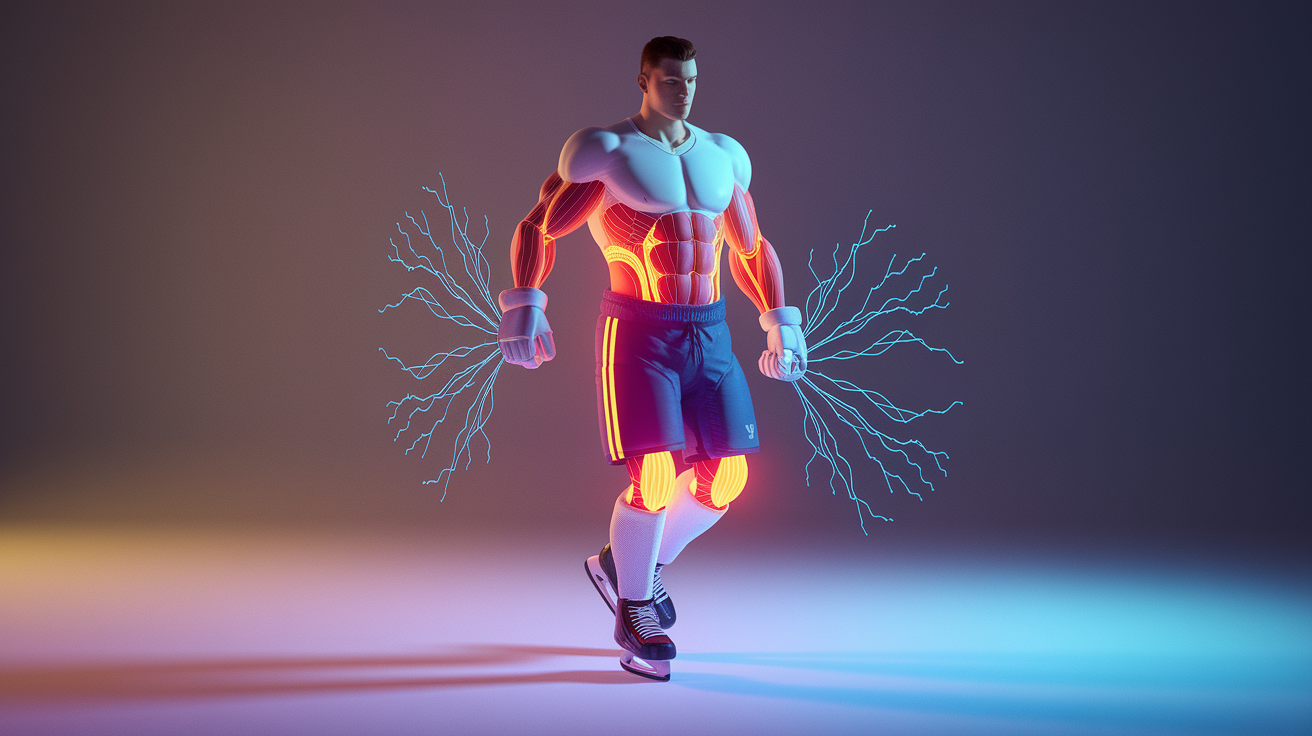
Tournament warm-ups are different from regular-season or practice warm-ups in duration, intensity, and purpose. You’re priming the phosphocreatine system, activating glutes and hips, and rehearsing first-step mechanics without piling on fatigue. Total duration should be 15–25 minutes: 8–12 minutes of dynamic mobility, 5–8 minutes of activation work (glute/hip and core), and 3–5 minutes of progressive on-ice accelerations. Finish roughly 4–6 minutes before puck drop so your heart rate can settle while muscle temperature stays elevated. Skip extended stick-handling circuits, heavy resistance, or long scrimmages during the warm-up window.
Youth players (U11–U13) handle shorter warm-ups better than long ones. Keep dynamic mobility to 6–8 minutes and activation to 4–5 minutes, and don’t use high-volume plyometrics before games. Teens and adults can handle the full 15–25 minute sequence, but everyone benefits from finishing with 2–4 progressive sprints (20–40 meters) and 2–3 power starts on-ice. Off-ice, use ladder drills or cone quick-feet for 30–60 seconds × 3–4 sets to sharpen coordination and foot speed. The warm-up should leave you feeling ready, not tired. If legs feel heavy or you’re fatigued during the sequence, shorten the duration or dial back intensity next time.
Tournament warm-up sequence (5 steps):
- Light aerobic build (2–4 minutes): Easy skate or dynamic movement to raise core temperature and heart rate. Example: forward skating, backward crossovers, light pivots.
- Dynamic mobility (6–10 minutes): Walking lunges, leg swings (front-to-back and side-to-side), hip openers, thoracic rotations, arm circles. Focus on hips, ankles, shoulders.
- Activation drills (4–6 minutes): Glute bridges, lateral band walks, single-leg RDLs, plank variations, or resisted hip extensions. Focus on joint stability and firing patterns.
- Progressive accelerations (3–5 minutes): 2–4 on-ice sprints at 20–40 meters, building from 70% to 95% effort. Add 2–3 explosive starts from a standstill. Full recovery (2–3 minutes) between reps.
- Rehearsal and cooldown (2–3 minutes): Light stick-handling, positional drills, or shooting rehearsal. Finish 4–6 minutes before game start.
Between‑Game Recovery Protocols
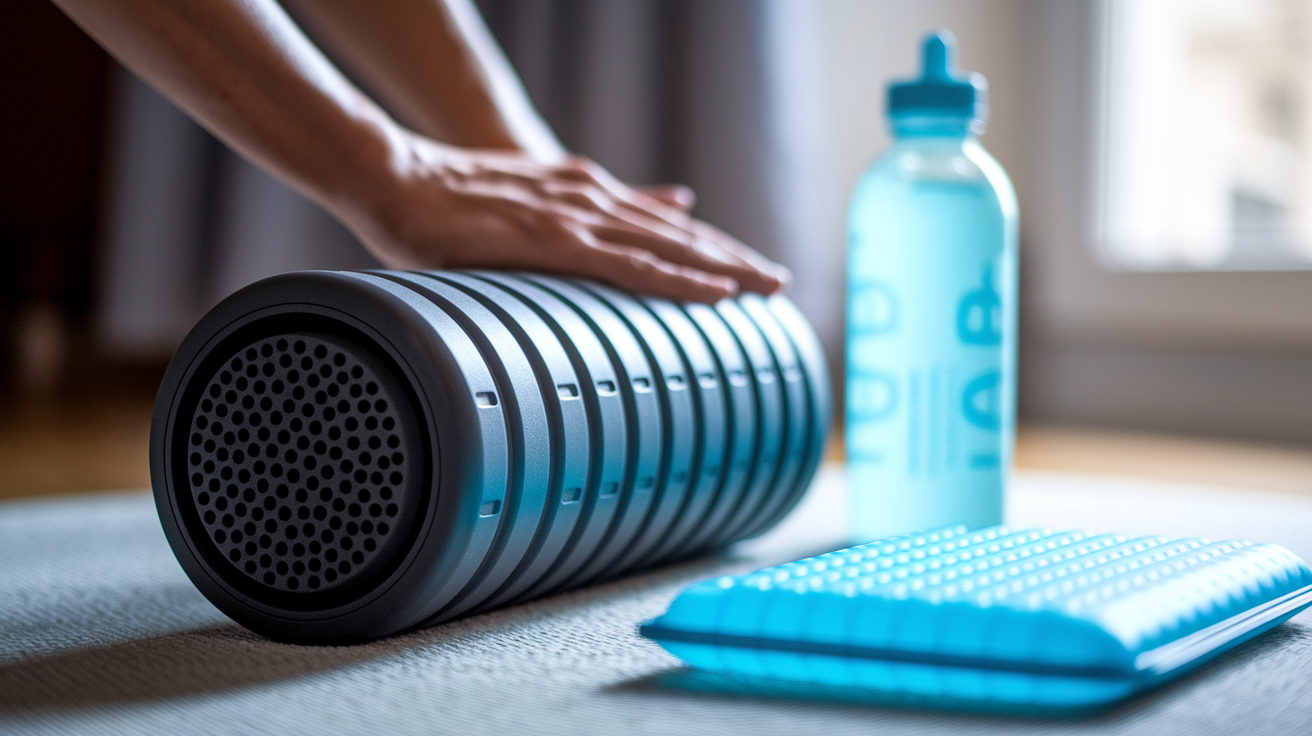
The window between two same-day games usually runs 60 to 180 minutes, and how you spend it determines whether your second game feels fresh or flat. First action is an active cooldown. Within 10–30 minutes after the final buzzer, complete 10–20 minutes of low-intensity cycling or a slow skate at 60–70% max heart rate. This speeds lactate clearance, cuts muscle stiffness, and keeps blood flowing to the legs without adding fatigue. Don’t just rest or jump into static stretching. Movement beats stillness when the next game is hours away.
After the cooldown, spend 8–15 minutes on foam rolling and mobility work. Hit quads, hamstrings, glutes, calves, hip flexors. Foam rolling speeds perceived recovery and helps maintain range of motion under cumulative fatigue. Follow with light dynamic stretches or a short yoga-style flow if space allows. Skip aggressive static stretching that pushes end-range under fatigue. The goal is to reset tissue tension, not test flexibility limits. Once mobility work is done, prioritize immediate nutrition: liquid protein and carbs within 30–60 minutes post-game. Then move into a rest phase. Remove skates, change into dry clothes, hydrate steadily, and either nap for 20–40 minutes or rest quietly with legs elevated.
If you’ve got 90 minutes between games, the breakdown might look like this: Game ends at 12:15. By 12:25, you’re on a bike or doing a slow skate (10–15 minutes). By 12:40, you’re foam rolling and doing hip mobility (10–15 minutes). By 12:55, you’re drinking a recovery shake (20–40 g protein, 0.5–1.0 g/kg carbs). From 13:00 to 13:30, you rest with legs elevated or take a short nap. At 13:30, you start light rehydration and a small carb snack. By 13:45, you begin the pre-game warm-up sequence for game two.
Between-game recovery checklist:
- Active cooldown (10–20 min, 60–70% HRmax) within 10–30 minutes post-game.
- Foam rolling and mobility work (8–15 min total) right after cooldown.
- Consume liquid protein + carbs within 30–60 minutes of game end.
- Rest or nap (20–40 min) with legs elevated. Rehydrate steadily throughout the window.
Nutrition and Hydration Timing for Compressed Schedules
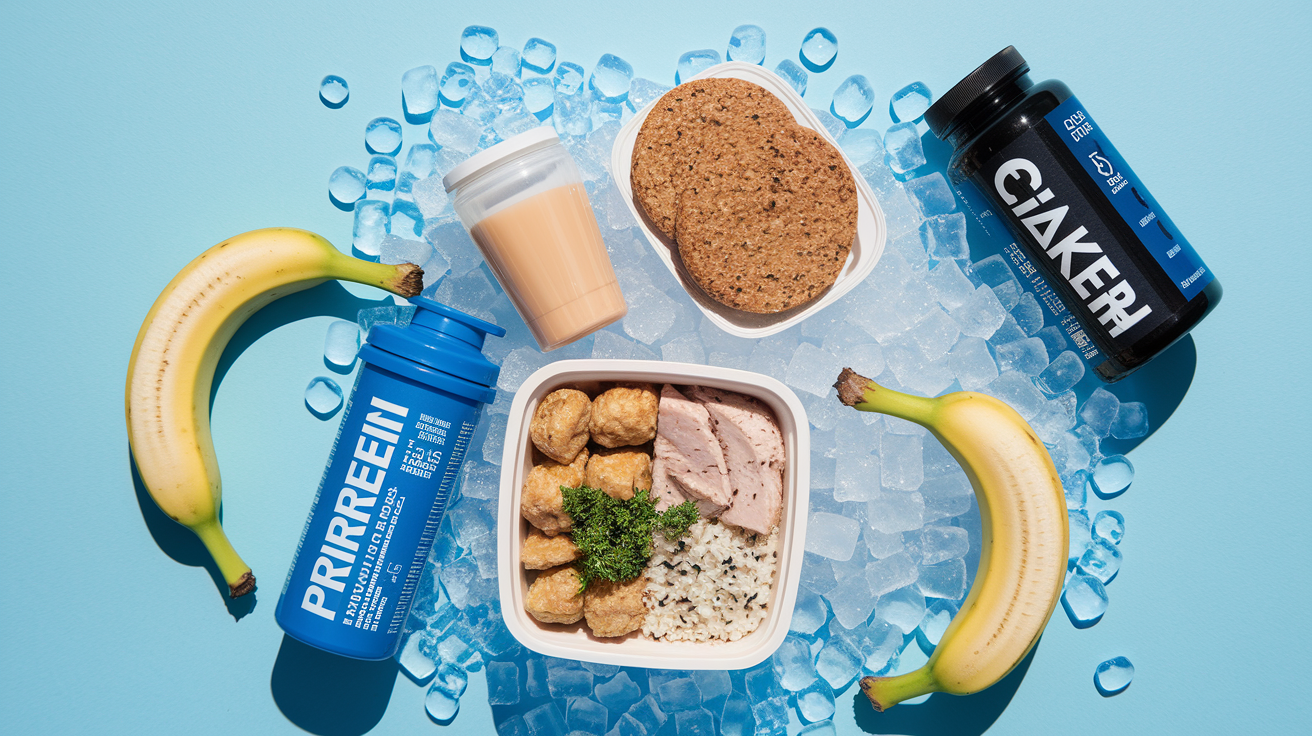
Hockey tournaments demand rapid glycogen replenishment and aggressive rehydration because the next game often starts before you’ve fully recovered. Carbs are the primary anaerobic fuel for every shift, and glycogen stores deplete across a single game. When two or three games fall within 24 hours, the highest insulin sensitivity and fastest glycogen resynthesis happen within the first six hours after you play. That window is your priority. Target 1.0–1.2 grams of carbs per kilogram of bodyweight per hour in the immediate 3–4 hours after a game if another contest follows that day. For a 75 kg player, that’s roughly 75–90 grams per hour.
Protein intake should stay consistent at 0.8–1.0 grams per pound of bodyweight per day, spread across 4–6 meals. For a 200-pound player, that’s five meals of roughly 40 grams of protein each. Liquid nutrition is preferred right after the game because it empties from the stomach faster, triggers a higher insulin response, and travels well in a tournament dressing room. Don’t eat fats in the immediate pre-game, intra-game, and post-game windows because fats slow gastric emptying and blunt the insulin response needed for glycogen replenishment. Save fats for breakfast, lunch, or the final post-game meal of the day.
Hydration targets vary by sweat rate, but a practical guideline is to replace 1.25–1.5 liters of fluid per kilogram of body mass lost. During games, aim for roughly 200–300 ml every 15 minutes when breaks allow, totaling 600–1,200 ml per hour depending on ice time and sweat rate. Between games, track body mass before and after each contest. If you lose more than 1.5% of body mass, rehydration becomes the top priority. Use water plus an electrolyte drink that includes sodium and carbs to speed absorption and restore both fluid and fuel.
| Food Type | Timing | Purpose |
|---|---|---|
| Liquid protein + carb shake (20–40 g protein, 0.5–1.2 g/kg carbs) | Within 30–60 minutes post-game | Rapid glycogen resynthesis, fast gastric emptying, high insulin response |
| Solid meal: lean protein + carbs + minimal fat (e.g., chicken, rice, vegetables) | 1–3 hours post-game or pre-game (2–3 hours prior) | Sustained amino acid delivery, continued glycogen replenishment, satiety |
| Small carb snack (banana, rice cakes, sports drink) | 30–60 minutes pre-game | Top off liver glycogen, maintain blood glucose without gastric discomfort |
| Electrolyte drink with carbs (6–8% carb solution, sodium 300–600 mg/L) | During game breaks and between games | Rehydration, sodium replacement, carb intake without solid food volume |
| Water (200–300 ml every 15 minutes) | Continuous throughout tournament day | Maintain hydration status, support thermoregulation and performance |
Sleep, Circadian Recovery, and Overnight Reset

Sleep is the most powerful recovery tool available during a tournament weekend, yet it’s frequently sacrificed to late games, travel, and team logistics. The target is 7–9 hours per night, with 8–9 hours prioritized the night before the first tournament day. When games finish late (past 21:00 or 22:00), you often arrive at hotels after 23:00, limiting total sleep opportunity before early morning games. Immediate priorities after a late game are a short cooldown (10–15 minutes), rapid rehydration and nutrition (liquid shake within 30–60 minutes), and minimizing screen time and stimulants after 22:00. Blue-light exposure from phones and tablets suppresses melatonin and delays sleep onset. Set a hard cutoff for screens 30–60 minutes before target sleep time.
Circadian rhythm stabilization helps maintain alertness and performance across multiple days. Morning light exposure (ideally 10–20 minutes of natural daylight within 30–60 minutes of waking) reinforces your body’s internal clock and supports evening melatonin production. Don’t eat heavy meals within two hours of sleep, and stop caffeine intake at least six hours before bedtime. For youth players, enforce stricter bedtime protocols. U11–U15 athletes need 8–10 hours of sleep per night, and their circadian systems are more sensitive to disruption. Coaches and parents should coordinate lights-out times and minimize late-night team activities or screen use in hotel rooms.
Short naps between games are useful when separation exceeds four hours. Nap duration should be 20–40 minutes to provide alertness benefits without entering deep sleep, which causes grogginess upon waking. Don’t nap longer than 60 minutes unless overnight sleep was severely restricted. Before napping, use low-effort breathing exercises (3–4 second inhale through the nose, 4–5 second exhale) to activate the parasympathetic nervous system and speed the transition to rest. After waking, use light movement and hydration to restore alertness before the next warm-up.
Active Recovery Drills and Low‑Impact Conditioning

Active recovery during tournament weekends isn’t additional conditioning. It’s movement designed to maintain blood flow, preserve mobility, and avoid the stiffness that follows full rest. The best active recovery options are low-intensity aerobic work (easy bike, walk, or very light skate), controlled mobility flows, and band-based activation drills. Total duration should be 10–20 minutes, done at an intensity that feels restorative, not taxing. Heart rate should stay below 70% of max, and breathing should stay nasal and controlled throughout.
Mobility flows combine dynamic stretches and positional holds that target the hips, ankles, thoracic spine, and shoulders. A simple sequence might include: 90/90 hip switches ×8 per side, quadruped thoracic rotations ×6 per side, calf stretches with knee-over-toe emphasis ×10 per side, and deep squat holds ×20–30 seconds. Perform each movement slowly and focus on quality, not speed. Band-based activation drills (lateral walks, clamshells, pallof presses) can be added if you need to reinforce glute or core engagement, but keep total volume low (1–2 sets of 8–10 reps). Skip plyometrics, heavy resistance, or any conditioning that mimics game intensity. If you feel fatigued or sore entering the recovery window, reduce volume further or eliminate active recovery altogether and prioritize rest, hydration, and nutrition instead.
Active recovery and low-impact conditioning options:
- 10–20 minutes of easy cycling, walking, or very light skating at 60–70% max heart rate.
- Controlled mobility flow: 90/90 hip switches, quadruped thoracic rotations, calf stretches, deep squat holds (8–10 reps per movement).
- Band activation: lateral band walks ×10–12 steps per direction, clamshells ×8–10 per side, pallof press ×6–8 per side (1–2 sets total).
- Foam rolling: quads, hamstrings, glutes, calves, IT band (8–12 minutes total, slow passes with 2–3 second pauses on tender points).
- Nasal breathing practice during all recovery work: 3–4 second inhale, 4–5 second exhale, to support parasympathetic recovery and CO2 tolerance.
Ice‑Time and Shift‑Length Management
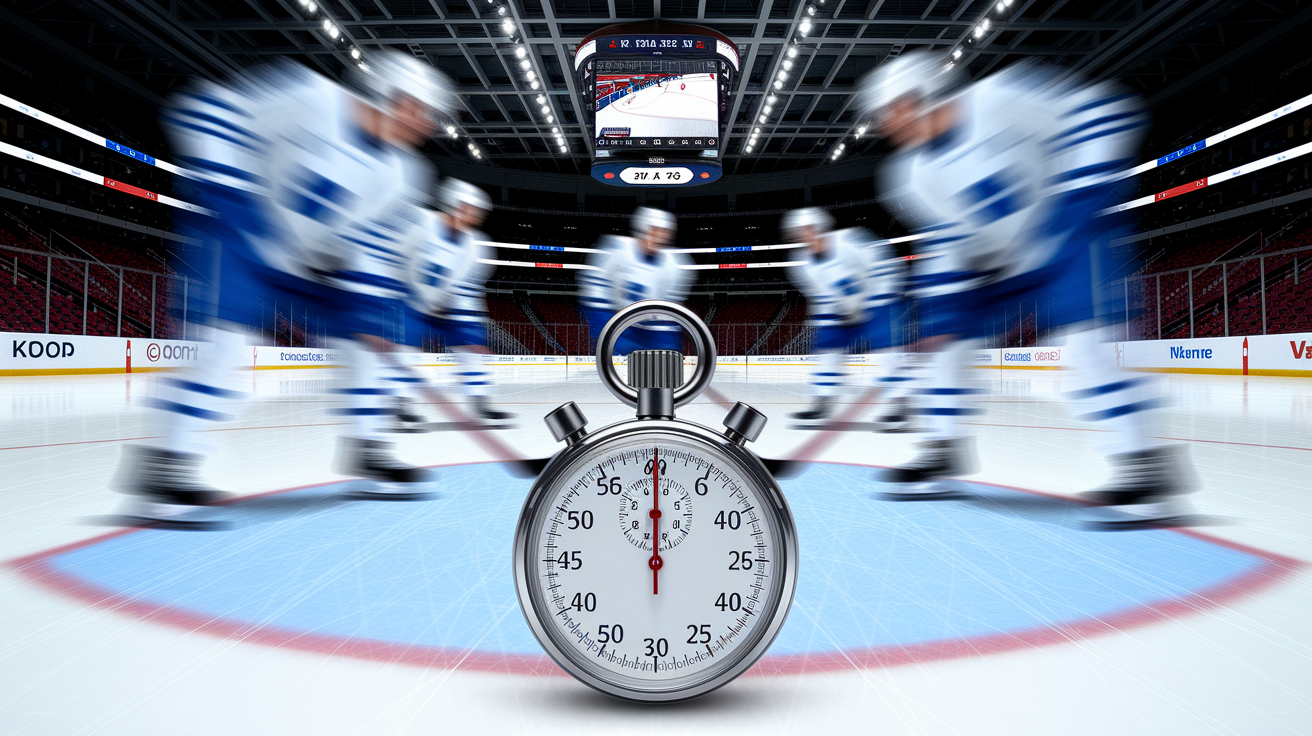
Managing ice time across multiple games in a single weekend is one of the most direct ways to preserve conditioning and reduce injury risk. Typical effective shift lengths for high-intensity hockey range from 30 to 60 seconds. When tournament fatigue accumulates, you should target shifts closer to 40–45 seconds to maintain peak power output and avoid extended glycolytic stress. Players who log heavy minutes in game one (especially those playing both special teams and regular shifts) are at higher risk of performance decline in game two or three. The solution is disciplined rotation and avoiding the temptation to double-shift top players when fatigue is visible.
Distribute time-on-ice by role and workload type. Defensive-zone starts and penalty-kill minutes demand higher anaerobic effort and longer recovery times than offensive-zone faceoffs or controlled breakouts. If someone has logged multiple defensive-zone shifts or blocked shots in consecutive games, consider reducing their next shift count or shortening shift duration. Track total ice time across the day, not just per game. A player who skates 18 minutes in game one and 16 minutes in game two has accumulated 34 minutes of high-intensity work in a compressed window, often with incomplete recovery between contests. When tournament schedules include back-to-back games with fewer than four hours of separation, plan to rotate your top-six forwards and top-four defensemen more frequently than in a standalone game.
Ice-time management priorities:
- Target 40–45 second shifts during tournaments to preserve explosive power and limit glycolytic fatigue.
- Don’t double-shift high-minute players across same-day games. Rotate lines more frequently when cumulative ice time exceeds 30–35 minutes per day.
- Distribute defensive-zone starts and penalty-kill assignments across multiple players to prevent repeated high-stress shifts for the same athletes.
Tournament‑Specific Tapering and Intensity Modulation
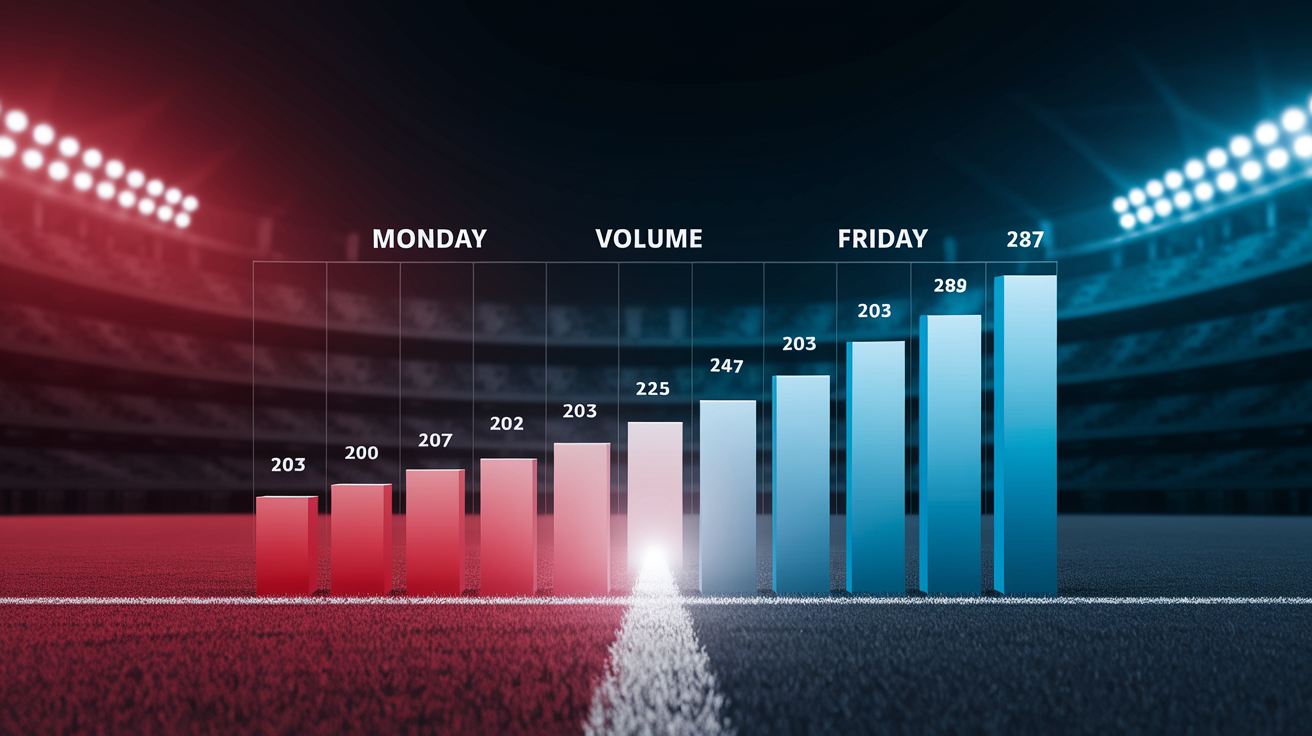
Tapering before a tournament weekend is about reducing training volume while maintaining or slightly elevating training intensity to preserve neuromuscular readiness. The taper window typically begins 5–7 days before the first game. During that period, reduce total training volume by 30–50% compared to a typical in-season week. Cut the duration of conditioning sessions, eliminate heavy strength work (squats, deadlifts, or multi-set accessory lifts), and limit high-impact plyometrics. Keep 1–2 short, high-quality speed or activation sessions (total duration 20–30 minutes) that include 2–4 maximal accelerations (10–30 meters) with full recovery between reps.
For example, if you normally complete three 45-minute conditioning sessions per week, taper to two 20–25 minute sessions in tournament week. Replace long interval sets with short, explosive efforts: 5–8 reps of 10–20 second sprints with 60–90 seconds of rest, or 3–4 sets of 20 seconds on / 40 seconds off bike sprints. The goal is to keep intensity at or near 100% of max effort for very short durations, which primes the phosphocreatine system without accumulating fatigue. Stop all high-intensity conditioning 48–72 hours before the tournament’s first game. Use that final window for light skill work, mobility, and mental preparation.
Youth players (U11–U15) require more conservative tapers. Reduce volume by 40–60% and keep all conditioning sessions under 20 minutes. Don’t use plyometric volumes above 1–2 sets of 4–6 reps, and eliminate any strength work that causes muscle soreness. For older teens and adults, a 30–50% volume reduction with maintained intensity is appropriate, but monitor wellness scores and subjective fatigue daily. If someone reports elevated soreness, poor sleep, or a drop in countermovement jump height greater than 6% from baseline, extend the taper by one additional day or reduce intensity further. The objective is to arrive at the tournament with full glycogen stores, low muscle soreness, and sharp neuromuscular function. Not to squeeze in one last hard training session.
Final Words
When the whistle drops on game one and there’s another later, priorities change: short, high-quality warm-ups, tight recovery windows, targeted fueling, and smart ice-time. We covered immediate conditioning, warm-ups, between-game recovery, nutrition timing, sleep reset, active recovery, shift management, and pre-tournament tapering.
Set simple protocols: a mini-schedule for double-headers, a 90-minute recovery plan, and quick activation sequences. Practice them so players follow the routine when fatigue hits.
These conditioning strategies for hockey teams during tournament weekends will keep energy steady and shifts sharp. Do them consistently and you’ll finish stronger.
FAQ
Q: What is the best conditioning exercise for hockey?
A: The best conditioning exercise for hockey is high-intensity interval skating sprints, repeated 30-to-60-second all-out efforts with equal or slightly longer recovery to mimic shift demands and boost repeat power.
Q: Where do you put your weakest player in hockey?
A: You place your weakest player in a sheltered role, usually the fourth line or on the wall, with short shifts, a stronger partner, simple responsibilities, and less net-front exposure.
Q: What is the 5 rule in hockey?
A: The “5 rule” in hockey isn’t one universal rule. It commonly refers to things like a five-second puck retrieval idea, five-man coverage, or a specific league’s “Rule 5″—check your league book.
Q: What is a muffin in hockey?
A: A muffin in hockey describes a soft, easily preventable mistake—typically a weak pass, poor touch, or defensive error that leads to a turnover or an embarrassing goal.