

Think you’re fine after a win? Play game two without a plan and you’re asking players to show up with empty glycogen tanks, sore quads, and slow reactions.
Hockey’s repeated 30-60 second shifts drain energy and pile up metabolic waste, and when the next puck drops in less than 24 hours there’s barely time to clear metabolites, refill fuel, and calm a tired nervous system.
This post lays out science-backed, practical recovery protocols, the 0-30 minute routine, smart meals, hydration targets, and sleep and nap tactics so teams actually perform on night two.
Immediate Post‑Game Recovery Framework for Back‑to‑Back Hockey Games
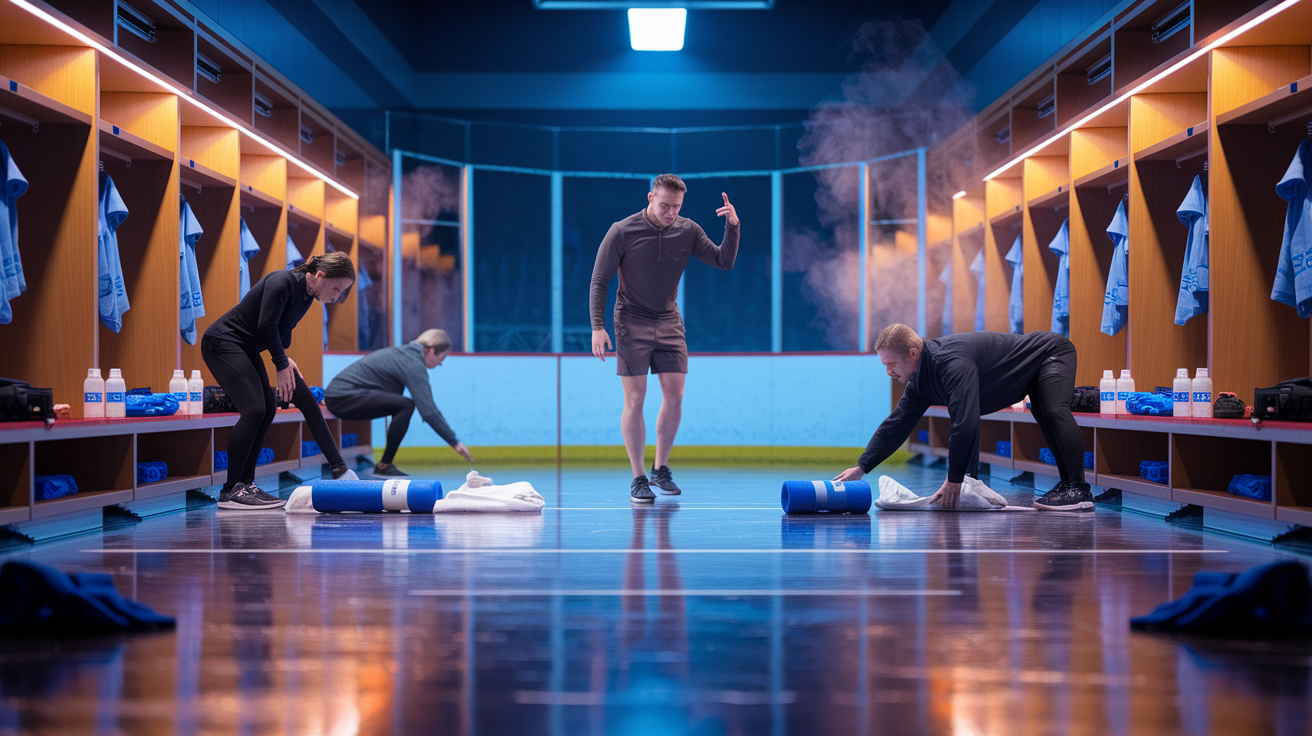
Hockey games drain players through repeated 30 to 60 second shifts that hit both anaerobic and aerobic systems, often 20 to 30 times per game. Each shift burns through muscle glycogen, builds up metabolic byproducts like lactate and hydrogen ions, and hammers the quads and adductors every time a skater pushes laterally or slams on the brakes. When you’re playing again in less than 24 hours, there’s barely any time to clear those metabolites, refill energy stores, and patch up microtears in muscle fibers. Skip a structured recovery protocol and you’re stepping onto the ice for game two with empty glycogen tanks, lingering soreness, and nervous system fatigue that slows your reactions and bumps up injury risk.
The first 30 minutes after the buzzer? That’s your most critical window in the entire recovery cycle. Muscle cells are primed to soak up glucose and amino acids at an accelerated rate, blood flow stays elevated for faster nutrient delivery, and your nervous system starts shifting from high alert to parasympathetic mode. You can take advantage of this window by running a short, repeatable routine that covers hydration, refueling, metabolic clearance, and soft tissue tension in a specific order.
0–30 Minute Post‑Game Protocol
-
Active Cool‑Down (8–12 Minutes) – Low intensity skating, stationary biking, or walking brings your heart rate down gradually and keeps blood moving through working muscles, which speeds up lactate removal and clears other waste products.
-
Immediate Rehydration (500–750 mL) – Hand each player a water bottle or electrolyte drink at the bench and get them sipping right away. Don’t wait until the locker room. Heavy sweaters or anyone playing in warmer arenas should lean toward electrolyte drinks to replace sodium and potassium lost through sweat.
-
Post‑Game Snack (20–30 g Protein + 30–60 g Fast‑Acting Carbohydrates) – Get snacks out within 30 minutes of game end. Chocolate milk, protein shake with a banana, Greek yogurt with fruit, or a turkey sandwich on white bread. This combo kickstarts muscle protein synthesis and begins glycogen replenishment.
-
Soft‑Tissue Work (5–10 Minutes) – Foam rollers or massage tools on targeted muscle groups to reduce localized tension and boost circulation.
-
Locker‑Room Temperature Management – Keep the room warm enough to maintain core temperature but not so hot that players keep sweating. Cool, dry environments support parasympathetic activation.
-
Quick Shower and Change – A brief cool or lukewarm shower helps drop body temperature without triggering excessive vasoconstriction. Players change into dry compression or loose fitting clothing to stay warm and comfortable.
Track adherence with a simple checklist or visual board in the locker room. One staff member confirms hydration bottles are distributed, another sets out snack options, a third monitors cool down duration. When every player completes the protocol consistently, the cumulative effect on next day readiness becomes measurable.
Nutrition Protocols Supporting Hockey Recovery Between Back‑to‑Back Games
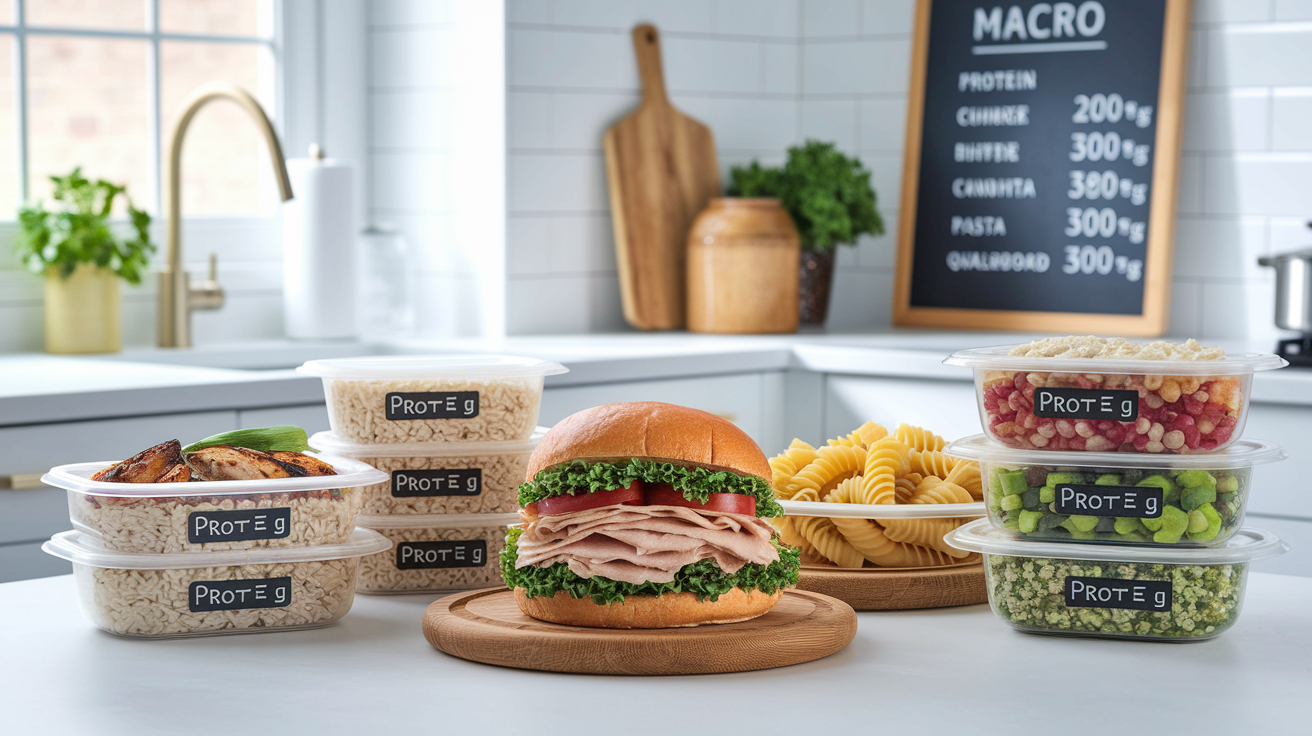
The immediate post game snack sets the foundation, but full recovery needs a second, larger meal within one to two hours of leaving the ice. This meal has to provide enough protein to repair damaged muscle fibers and sufficient carbohydrate to restore intramuscular and liver glycogen depleted during the game. Research supports a protein target of 20 to 40 grams and a carbohydrate target of roughly 1.0 to 1.2 grams per kilogram of body mass. An 80 kilogram defenseman should aim for 80 to 96 grams of carbohydrate in that recovery meal. Teams traveling by bus can pack pre assembled meals or coordinate with hotels and restaurants to deliver balanced options as soon as players arrive.
Meal composition matters as much as timing. Lean protein sources like grilled chicken, turkey, fish, or plant based alternatives paired with easily digestible carbohydrates: white rice, pasta, potatoes, or bread. Add a small portion of vegetables for micronutrients and fiber, but keep fat content low to moderate since high fat foods slow gastric emptying and delay nutrient absorption. Greasy concession stand burgers, fried chicken, and heavy cheese laden dishes feel satisfying in the moment but leave players sluggish and bloated during the next warm up. Simple, clean meals work better without taxing the digestive system.
For teams on tight tournament schedules, meal logistics often pose the biggest challenge. You can solve this by preparing a rotation of grab and go options: rice bowls with grilled chicken and steamed broccoli, turkey and avocado wraps, pasta with marinara and lean ground beef, or quinoa salads with chickpeas and roasted vegetables. Label each container with macronutrient totals so players and parents can track intake. When dining out, guide players toward menu items that fit the recovery template and away from deep fried appetizers, cream based sauces, and oversized desserts.
| Option | Protein (g) | Carbs (g) |
|---|---|---|
| Chocolate milk (500 mL) | 16 | 52 |
| Protein shake + banana | 25 | 35 |
| Grilled chicken rice bowl (300 g cooked rice, 150 g chicken) | 38 | 90 |
| Turkey sandwich (2 slices bread, 100 g turkey) + apple | 28 | 55 |
Hydration and Electrolyte Replacement Strategy for Back‑to‑Back Hockey Turnarounds
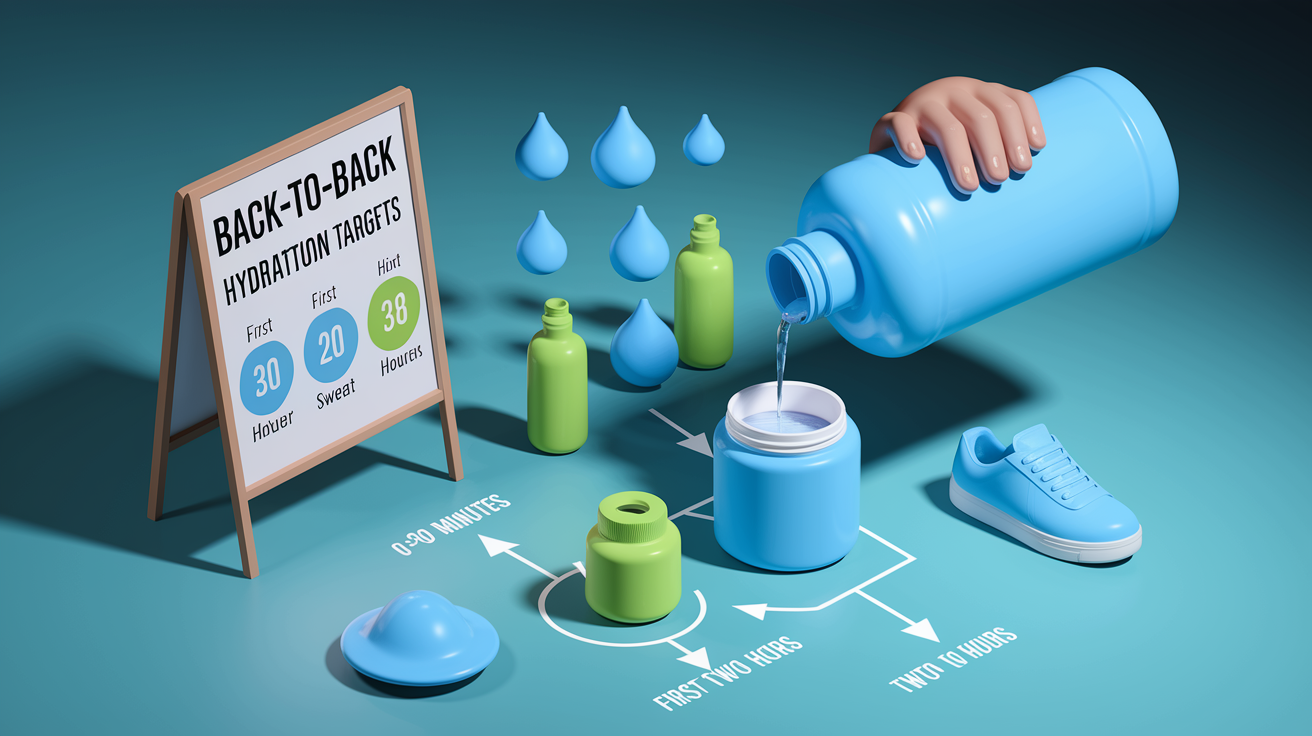
Hydration begins immediately after the game, but full rehydration requires sustained effort over the following two to four hours. Players typically lose two to three liters of sweat during a single game, and replacing only what was lost leaves the body in a deficit because ongoing urine production and respiratory water loss continue post exercise. The evidence based target is to consume roughly 150 percent of the fluid lost, distributed gradually to avoid gastrointestinal discomfort and get better absorption. A player who lost two liters during the game should drink about three liters over the recovery window, starting with the immediate 500 to 750 mL dose and continuing with regular sips from a marked water bottle.
Electrolyte replacement becomes critical during tournaments or multi game weekends when sweat losses pile up across sessions. Sodium and potassium exit the body through sweat, and low levels mess with muscle contraction, increase cramping risk, and reduce cognitive sharpness. Sports drinks containing 300 to 700 mg of sodium per liter support faster rehydration than plain water by promoting fluid retention and stimulating thirst. Teams can also add electrolyte tablets or powders to water bottles, adjust seasoning on recovery meals to include moderate salt, or provide salty snacks like pretzels alongside fruit.
Measurable Hydration Targets for Staff
Immediate Post Game: 500 to 750 mL within the first 30 minutes, preferably with electrolytes if the player is a heavy sweater or the game was played in a warm arena.
First Two Hours: Total fluid intake reaching at least 1.5 liters, consumed gradually in 200 to 300 mL increments every 15 to 20 minutes.
Two to Four Hours Post Game: Cumulative intake of about 150 percent of estimated sweat loss, adjusted based on urine color. Pale yellow indicates adequate hydration.
Monitoring Method: Provide each player with a 1 liter marked bottle and instruct them to finish two full bottles before bed. Staff can conduct visual urine color checks or use urine specific gravity strips if more precision is needed.
Sleep and Napping Strategies Enhancing Recovery Between Consecutive Hockey Games

Sleep represents the single most powerful recovery tool available to hockey teams, yet it’s often the first casualty of tournament travel and late night bus rides. During deep sleep, the body releases growth hormone that accelerates muscle repair, consolidates motor learning from the previous game, and restores neurotransmitter balance in the brain. Studies show that adequate sleep sharpens reaction time by up to 12 percent and boosts next day strength output, while chronic sleep restriction increases injury risk and slows decision making on the ice. For back to back games, teams should target seven to nine hours of sleep the night after game one, creating a non negotiable team curfew and coordinating hotel logistics to minimize noise and light disruption.
When the turnaround is especially tight or travel delays cut into nighttime sleep, a strategically timed nap can provide a measurable recovery boost. The sweet spot is 20 to 30 minutes, long enough to reduce subjective fatigue and improve alertness but short enough to avoid sleep inertia, the groggy disorientation that follows deeper sleep stages. Schedule naps in the early afternoon, ideally three to four hours before game two, and create a quiet, dark environment by closing curtains, turning off phones, and using eye masks or white noise apps. Even players who don’t fall fully asleep benefit from the rest period and reduced sensory stimulation.
Sleep hygiene practices matter just as much as duration. Blue light from phones, tablets, and televisions suppresses melatonin production by up to 20 percent, delaying sleep onset and reducing sleep quality. Implement a team wide screen curfew 30 to 60 minutes before bed, replacing devices with low stimulation activities like reading, stretching, or guided breathing exercises. Breathing protocols such as 4 7 8 breathing or box breathing activate the parasympathetic nervous system and have been shown to improve sleep quality by about 15 percent. Coaches can lead a brief five minute session in the team meeting room or share audio recordings players can use individually in their hotel rooms.
Active Recovery Sessions for Hockey Teams Within 24 Hours
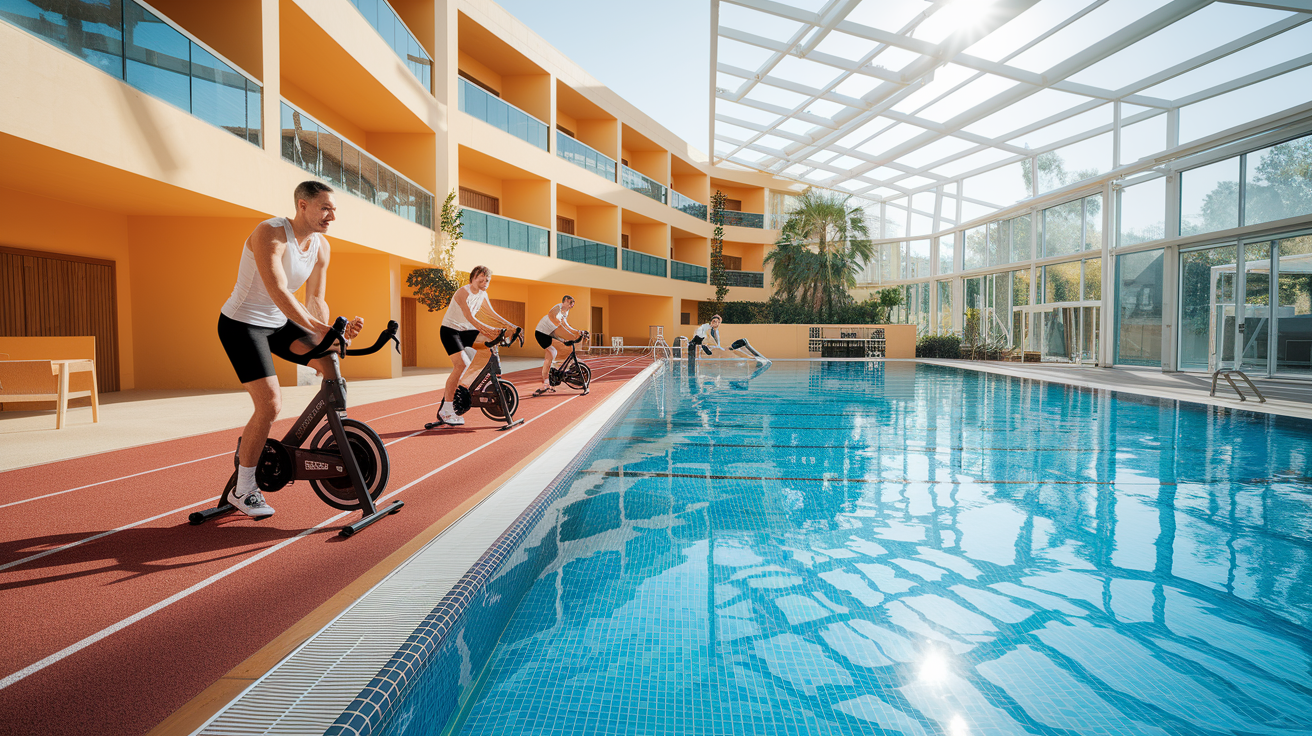
Active recovery refers to low intensity movement performed in the hours and day following a game, designed to boost blood flow, reduce muscle stiffness, and maintain range of motion without adding new fatigue. The ideal session lasts 20 to 40 minutes and includes activities like walking, easy cycling on a stationary bike, pool work, or very light skating at 50 to 60 percent of maximum heart rate. This low intensity stimulus accelerates the removal of metabolic byproducts still lingering in muscle tissue and reduces perceived soreness by roughly 18 percent compared to complete rest. Teams can schedule a pool session at the hotel, a walk around the tournament venue, or a short spin on portable bike trainers set up in a conference room.
Mobility work complements active recovery by targeting the joint ranges and muscle groups most stressed during hockey play. A 10 to 20 minute routine should emphasize dynamic movements for the hips, adductors, quads, hamstrings, glutes, thoracic spine, and shoulders. Leg swings, walking lunges with a twist, deep squats with a pause, quadruped hip circles, and arm sweeps. Unlike aggressive static stretching, which can increase soreness when performed immediately post game, these controlled dynamic patterns prepare tissues for the next session while respecting the body’s current state of fatigue.
Next‑Morning Active Recovery Plan
The morning after game one offers another critical opportunity to maintain readiness before stepping back on the ice. A well designed next morning session reduces residual stiffness, reactivates the nervous system, and provides a chance to address any lingering tightness or soreness that surfaced overnight.
15 to 30 Minutes of Low Intensity Movement: Options include a brisk walk, stationary bike ride, or pool session focusing on easy, rhythmic motion rather than intensity.
10 to 15 Minutes of Targeted Mobility: Hit hip flexors, adductors, and quads with movements like 90/90 hip switches, adductor rock backs, and quad stretches in a half kneeling position.
Eccentric Control Drills: Perform 2 to 3 sets of slow eccentric squats or single leg lowering exercises to reinforce muscle control and prepare the quads for skating loads.
Glute Activation: Include clamshells, side lying hip abductions, or glute bridges to wake up the posterior chain and reduce compensatory stress on the lower back and groin.
Hydration and Light Snack: Continue hydration efforts and consume a small snack if the next meal is more than an hour away. A banana with peanut butter or a protein bar supports energy without causing fullness.
Cold‑Water Immersion and Contrast Therapy Utilization in Back‑to‑Back Game Recovery
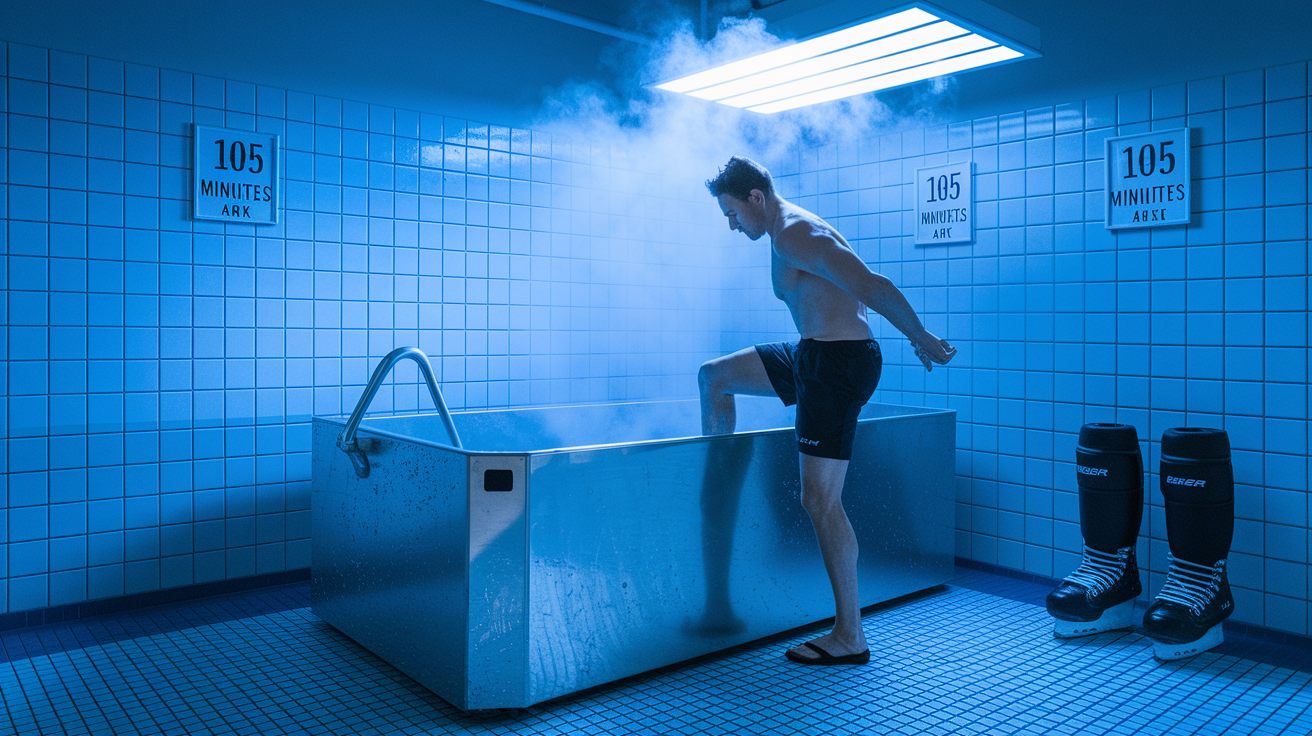
Cold water immersion has become a staple modality in professional hockey, valued for its ability to reduce muscle soreness, decrease inflammation markers, and improve players’ perceived recovery between games. The standard protocol involves submerging the lower body in water cooled to 10 to 15°C for 10 to 15 minutes, typically within one to two hours after leaving the ice. The cold temperature causes vasoconstriction, reducing blood flow to the muscles and limiting the inflammatory response triggered by repeated eccentric contractions and high force impacts. When players exit the bath, blood vessels dilate rapidly, flushing metabolic waste and delivering fresh oxygen and nutrients to recovering tissues.
Contrast therapy alternates between cold and warm water or combines cold immersion with compression garments, creating a pumping effect that boosts circulation. A typical contrast protocol might involve three to four cycles of three minutes cold (10 to 15°C) followed by three minutes warm (37 to 40°C), concluding with a cold phase. Alternatively, players can use pneumatic compression boots for 20 to 60 minutes after a cold bath, applying rhythmic pressure to the legs to further promote venous return and reduce swelling. Both methods improve subjective feelings of readiness and allow players to move more freely during the next warm up, though the magnitude of performance improvement remains modest and individualized.
Cold Modality Dosages
- Cold‑Water Immersion: 10 to 15 minutes at 10 to 15°C, lower body submerged to the waist, performed 60 to 120 minutes post game.
- Contrast Therapy: 3 to 4 cycles of 3 minutes cold (10 to 15°C) + 3 minutes warm (37 to 40°C), ending on cold.
- Compression Garments: 20 to 60 minutes of pneumatic compression or wearing graduated compression socks between games to reduce localized swelling.
Mobility, Soft Tissue, and Foam Rolling Routines After Consecutive Hockey Games
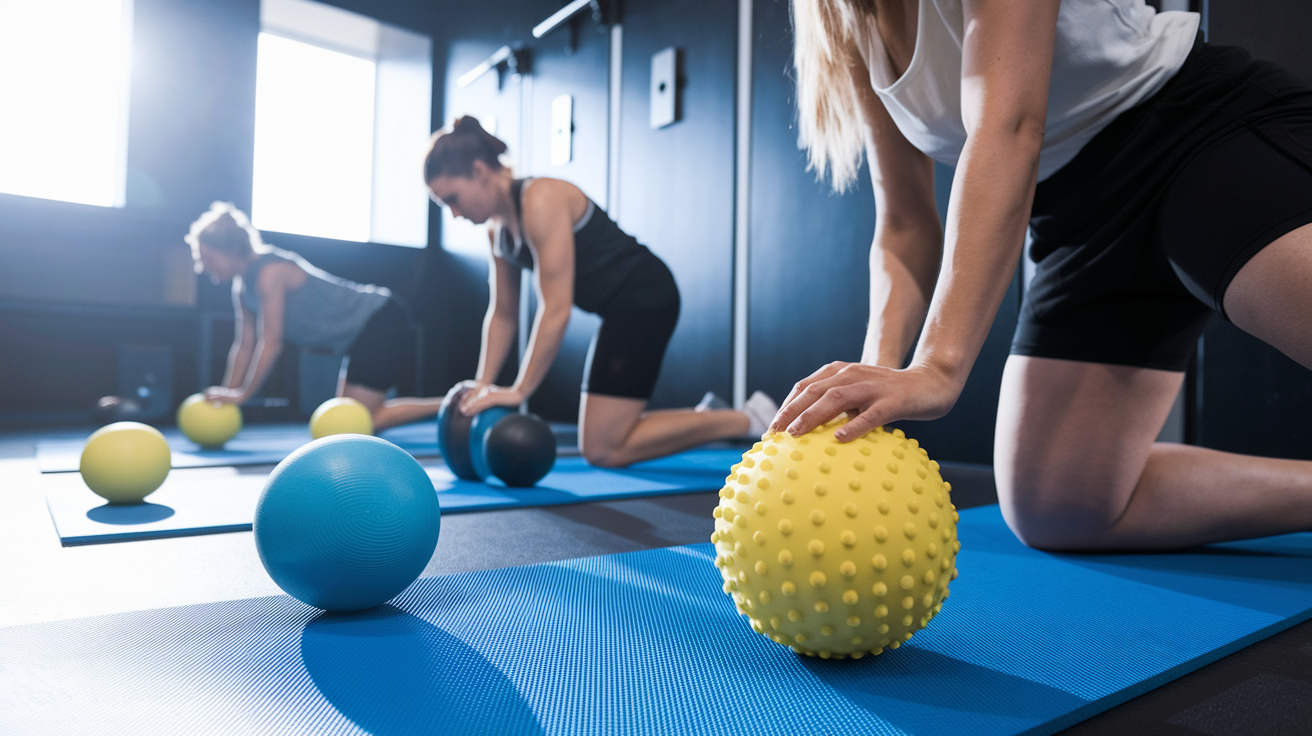
Foam rolling and self myofascial release techniques reduce localized muscle tension, improve tissue quality, and boost range of motion when applied systematically to the muscle groups most stressed by skating mechanics. Spend five to ten minutes per major region, moving slowly across the muscle belly and pausing on tender spots for 20 to 30 seconds. The primary targets for hockey players include the quadriceps, which absorb eccentric load during every stride; the adductors, which fire repeatedly during lateral pushes and crossovers; the hip flexors, which become short and tight from the skating posture; the hamstrings; and the calves. Players should perform foam rolling in the locker room immediately after cool down or later in the evening as part of a pre sleep mobility routine.
Structured flexibility work further supports joint health and long term durability. Post game stretching has been shown to reduce stiffness by about 20 percent when performed gently and without forcing end range positions. A 10 to 15 minute session should include static or PNF stretches for the hip flexors, quads, hamstrings, adductors, and glutes, holding each position for 30 to 60 seconds and breathing deeply to encourage relaxation. Flexibility training conducted regularly over a season improves range of motion by roughly 15 percent, reducing compensatory movement patterns that often lead to groin strains, hip impingement, and lower back pain.
Position‑Specific Considerations
Goalies require additional attention to the neck, shoulders, forearms, and wrists due to the unique demands of their position. Include gentle neck rotations, shoulder circles, and wrist flexor stretches in the post game routine, and encourage goalies to use a lacrosse ball or small roller on the forearm extensors to address grip fatigue. Defensemen who log heavy minutes and absorb frequent body contact benefit from extra thoracic spine mobility work, such as open book stretches and quadruped rotations, to maintain posture and reduce upper back stiffness. Forwards, especially those who play a grinding, board battle style, should focus on adductor and hip flexor work to counteract the repetitive lateral forces and low skating positions that characterize their game.
Load Monitoring and Readiness Assessments for Hockey Teams During Back‑to‑Back Schedules

Monitoring player readiness allows coaches and trainers to make data informed decisions about ice time, line deployment, and the intensity of between game activities. Readiness assessments combine subjective questionnaires with objective measures to create a holistic picture of each player’s recovery status. Subjective wellness surveys ask players to rate sleep quality, muscle soreness, stress level, and overall fatigue on a 0 to 10 scale, providing quick feedback that requires no special equipment. When a player reports soreness above 6/10 or sleep quality below 4/10, staff can adjust their load, shorten their shifts, or provide additional recovery interventions.
Objective markers add precision and help identify players who may underreport symptoms. Resting heart rate measured immediately upon waking provides a simple gauge of nervous system recovery. An elevation of five to ten beats per minute above baseline suggests incomplete recovery or accumulated fatigue. Heart rate variability (HRV) tracks the variation in time between heartbeats and reflects autonomic balance. Low HRV indicates sympathetic dominance and insufficient recovery, while normalized or elevated HRV suggests readiness for high intensity work. Teams can collect HRV data using smartphone apps and chest strap monitors, requiring only 60 to 90 seconds each morning.
Session RPE (rate of perceived exertion) collected 20 to 30 minutes after each game or practice quantifies internal load and helps staff track cumulative stress over a tournament weekend. Players rate the session intensity on a 0 to 10 scale, and staff multiply that rating by session duration in minutes to calculate a load score. Tracking these scores across multiple games reveals trends and flags players approaching overload thresholds, prompting conversations about rest, ice time redistribution, or modified warm up routines.
| Metric | Method | Frequency | Threshold Indicator |
|---|---|---|---|
| Subjective Wellness | 0–10 scale questionnaire (sleep, soreness, mood, fatigue) | Every morning | Soreness >6, sleep <4, or drop >2 points |
| Resting Heart Rate | Wrist monitor or phone app upon waking | Daily | Elevation >5–10 bpm above baseline |
| Heart Rate Variability | Chest strap + HRV app (60–90 sec reading) | Daily | Drop >10% below weekly average |
Strategic Coaching Adjustments That Support Effective Recovery Between Games
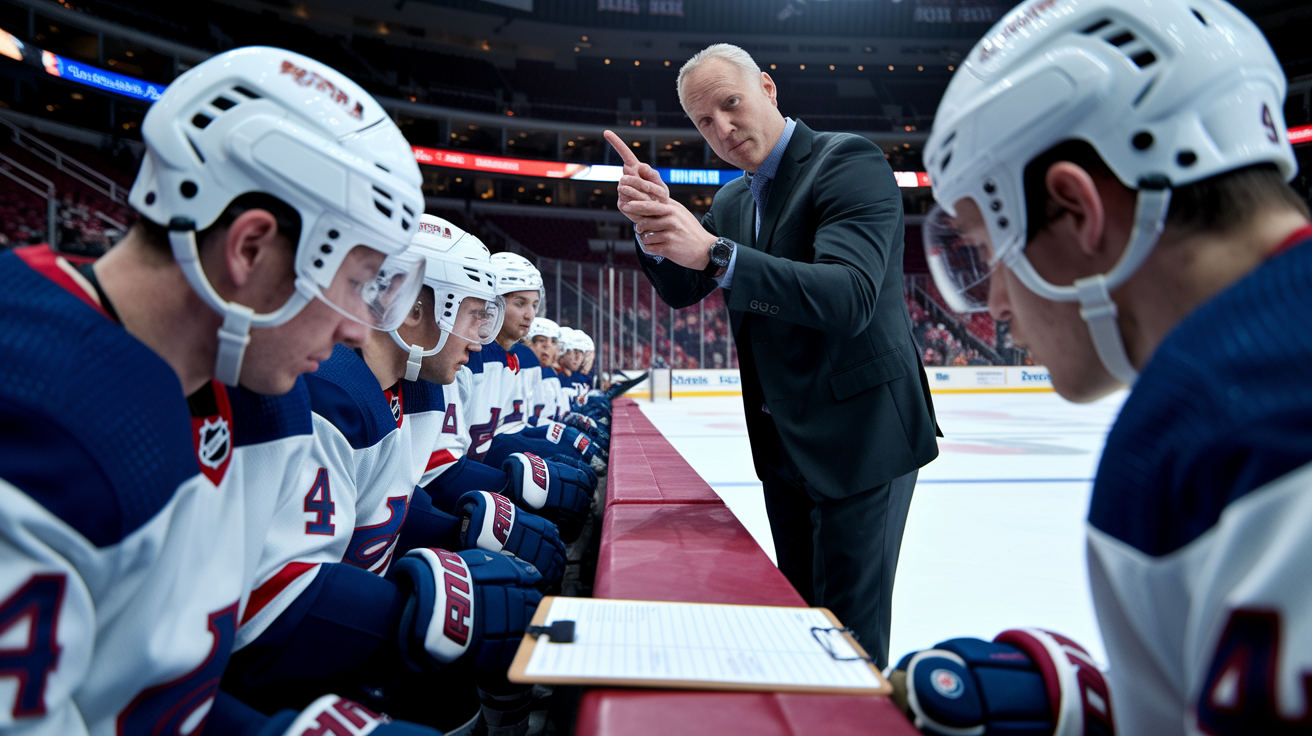
On ice tactics and coaching decisions influence recovery as much as nutrition and sleep. When fatigue accumulates, coaches can protect players by shortening shift lengths, managing ice time more evenly across the roster, and simplifying the game plan to reduce cognitive load. Shorter shifts of 30 to 40 seconds instead of 45 to 60 seconds reduce neuromuscular fatigue and allow more frequent line changes, spreading the workload and preventing overexposure of top players. This approach also keeps skating intensity high within each shift, which paradoxically feels easier than grinding through longer, slower shifts that elevate metabolic stress.
Maintaining core body temperature between periods and during travel supports recovery by preventing the muscle stiffness and joint tightness that follow extended periods of sitting in cold environments. Encourage players to wear warm layers on the bench, keep locker rooms comfortably warm, and avoid prolonged sitting on cold bus seats. When traveling between games, stop every 60 to 90 minutes for a brief walk and dynamic movement to promote circulation and reduce lower body stiffness. Keeping players warm and mobile reduces the time needed to reactivate muscles during the next warm up and lowers the risk of soft tissue strains during the opening shifts.
Coaching Actions That Reduce Player Load
Shorten shifts to 30 to 40 seconds and increase line changes to maintain intensity while spreading fatigue.
Simplify systems and messaging before game two, focusing on one or two tactical priorities instead of complex adjustments.
Redistribute ice time to give secondary and third lines more responsibility, preserving top line players for critical situations.
Monitor warm up duration and intensity, keeping on ice preparation efficient without excessive skating volume or high intensity drills that add unnecessary load.
Sample 24‑Hour Recovery Timeline for Teams Playing Back‑to‑Back Games
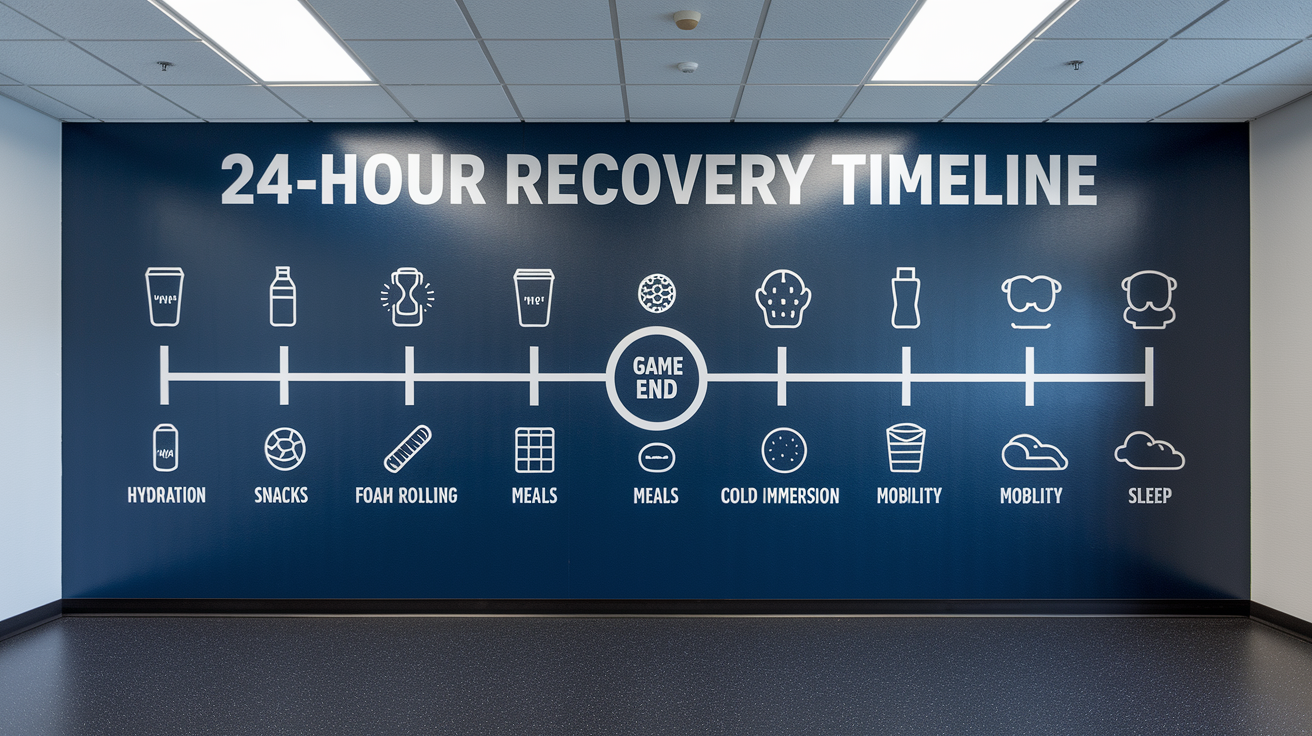
A practical recovery plan requires precise timing, clear responsibilities, and measurable checkpoints that coaches, trainers, and players can follow consistently across tournaments and regular season weekends. The timeline below models a scenario in which game one ends at 7:00 PM and game two begins at 7:00 PM the following evening, providing a full 24 hour window for recovery. Teams with tighter turnarounds can compress or prioritize steps, while those with longer windows can add optional modalities or extended rest periods.
Hour‑by‑Hour Schedule
7:00 to 7:12 PM (Game 1 Ends): Active cool down on ice or stationary bikes. 8 to 12 minutes of low intensity movement to lower heart rate gradually.
7:12 to 7:20 PM: Immediate rehydration. Each player consumes 500 to 750 mL of water or electrolyte drink, distributed by staff at the bench.
7:20 to 7:40 PM: Post game snack consumed in the locker room. 20 to 30 g protein + 30 to 60 g carbohydrates (chocolate milk, protein shake with banana, Greek yogurt with fruit).
7:40 to 7:50 PM: Foam rolling and soft tissue work. 5 to 10 minutes targeting quads, adductors, hip flexors, hamstrings, and calves.
8:00 to 9:00 PM: Full recovery meal within 1 to 2 hours of game end. 20 to 40 g protein and 1.0 to 1.2 g/kg body mass carbohydrates (grilled chicken rice bowl, turkey sandwich with fruit, pasta with lean protein).
9:00 to 9:15 PM (Optional): Cold water immersion for 10 to 15 minutes at 10 to 15°C, or pneumatic compression for 20 to 30 minutes.
9:30 to 10:00 PM: Evening mobility routine. 10 to 15 minutes of gentle dynamic stretches and static holds for hips, quads, hamstrings, adductors, and thoracic spine.
10:00 to 10:30 PM: Sleep hygiene preparation. No screens, dim lighting, breathing exercises (4 7 8 or box breathing for 5 to 10 minutes), compression socks or leg elevation for 10 to 15 minutes.
10:30 PM to 7:30 AM: Sleep target of 7 to 9 hours. Maintain cool, dark, quiet room and enforce team curfew.
8:00 to 8:30 AM (Next Morning): Light breakfast with moderate carbohydrate and protein. Continue hydration with water or electrolyte drink.
9:00 to 9:30 AM: Next morning active recovery. 15 to 30 minutes of walking, pool work, or stationary biking followed by 10 to 15 minutes of targeted mobility (hip flexors, adductors, quads, glute activation).
12:00 to 1:00 PM: Second full meal. Balanced macronutrients with emphasis on easily digestible carbohydrates and lean protein.
2:00 to 2:30 PM (Optional): 20 to 30 minute nap in a dark, quiet environment to boost alertness and reduce subjective fatigue.
4:30 to 5:00 PM: Pre game snack if more than 90 minutes remain before game two. Small portion of carbohydrates (banana, granola bar, toast with honey).
5:30 to 6:00 PM: Arrive at rink. Begin dynamic warm up 10 to 15 minutes emphasizing skate specific movements, lateral edge work, hip mobility, and glute activation.
6:00 to 6:45 PM: On ice warm up kept efficient and focused. Avoid excessive volume or high intensity drills that add unnecessary fatigue.
7:00 PM: Game 2 begins.
Final Words
In the action, we gave a straight 0–30 minute postgame checklist plus the follow-up: eating and refueling, immediate 500–750 ml rehydration, sleep and naps, active recovery, cold therapy, mobility work, load monitoring, coaching tweaks, and a 24-hour sample timeline.
Must-dos: drink 500–750 ml, 20–30 g protein + 30–60 g fast carbs in 30 minutes, short nap, light morning movement. Track HRV, soreness, and shift length.
Use these recovery protocols for hockey teams after back-to-back games to keep players fresh and available. Small, consistent steps add up. Stick to the plan and you’ll see better shifts.
FAQ
Q: Why can’t you wear 69 in hockey?
A: The reason you can’t wear 69 in hockey is that many teams and leagues ban it due to its sexual connotation, which can cause locker-room discomfort and lead organizations to enforce a policy against it.
Q: How to recover for back to back games?
A: To recover for back-to-back games, use an immediate 0–30 minute routine: 8–12 minute cool-down, 500–750 ml rehydration, 20–30 g protein + 30–60 g fast carbs, and brief soft-tissue work.
Q: How do NHL players recover between games?
A: NHL players recover between games by rehydrating and taking a 0–30 minute snack, eating a full 20–40 g protein + 1.0–1.2 g/kg carb meal within 1–2 hours, napping, light movement, cold therapy, and monitoring readiness.
Q: Where do you put your weakest player in hockey?
A: You put your weakest player in hockey in low-risk, supportive roles: fourth line, short shifts, defensive-zone starts or sheltered minutes, and specific bench assignments while they build confidence and fundamentals.