

Skipping a post-practice shake can cost you the next game’s shift.
Those first 20 minutes off the ice are the most valuable recovery window you’ll get.
This short intro explains why timing, carbs, protein, and electrolytes matter, and lays out a simple team plan players and parents can follow between practices and games.
Read on for a clear, rink-ready protocol that covers immediate shakes, hydration checkpoints, and realistic team routines you can run on buses and in locker rooms.
Immediate Recovery Protocols Between Hockey Practices and Games

The first 20 minutes after you step off the ice matter more than most players think. Your body’s ready to absorb nutrients at a rate you won’t see again for hours. Glycogen stores are empty, muscle tissue’s broken down, and you’re dehydrated. Wait too long and you’re losing recovery time you can’t get back.
The numbers are straightforward. Get 0.5 grams of protein per kilogram of bodyweight and 0.5 to 1.0 grams of carbs per kilogram within 20 minutes. For an 80 kg player, that’s 40 grams of protein and 40 to 80 grams of carbs. If you ate well before practice and fueled during it, you can stretch that to 30 or 60 minutes without much downside. But if you skipped pre-practice food or didn’t drink enough, hit the 20-minute mark.
Liquid fueling wins when time’s tight or you’ve got another session within 24 hours. A shake with whey protein and carb powder absorbs faster than solid food and kicks recovery into gear right away. Pair it with 16 to 20 ounces of water or a sports drink to start replacing what you sweated out. Simple carbs like sports drinks, white rice, or juice are what you want right after activity because they digest fast and trigger insulin release, which stops muscle breakdown and starts refilling glycogen. Save the sweet potatoes and quinoa for dinner.
Standard Post-Practice and Post-Game Recovery Steps
0 to 20 minutes: Drink a recovery shake with 40 grams of protein (one scoop whey) and 60 grams of carbs (one cup Gatorade powder mixed with water, or a banana plus a sports drink).
5 minutes: Get in the cold tub at 52 degrees Fahrenheit for five minutes to bring down inflammation and manage soreness.
10 minutes: Start self-myofascial release on commonly tight areas (hip flexors, adductors, quads) using a foam roller or massage stick.
15 minutes: Do a brief active-isolated or PNF stretching routine targeting hip rotators, hamstrings, and hip flexors.
20 to 30 minutes: Finish hydration with another 16 ounces of water mixed with a pinch of salt or an electrolyte tablet.
30 to 60 minutes (if needed): If you’re still at the rink or on the bus, eat a solid meal (grilled chicken with white rice or a turkey sandwich on white bread) to complete the refueling process.
Nutrition Timing Strategies for Hockey Players Between Sessions

Recovery doesn’t stop when the shake’s empty. What you eat in the hours after practice or a game determines how you show up for the next session. The 0 to 20 minute window’s the most critical, but digestion keeps going and glycogen restoration continues for hours. Map your meals to the clock.
The table below breaks down what to eat and when based on the time since your last session ended. The carb range shifts depending on how hard you worked and whether another practice or game’s scheduled within 24 hours. If you’ve got back-to-back sessions, stay on the high end of the carb range. Rest day tomorrow? Dial it back.
| Time Window | Nutrition Goal | Example Foods |
|---|---|---|
| 0 to 20 minutes | Immediate glycogen restoration and protein synthesis; simple carbs preferred | Whey shake + sports drink, white rice + grilled chicken, PB&J on white bread |
| 20 to 60 minutes | Continue refueling with solid meal if pre-session nutrition was inadequate | Pasta with marinara and ground turkey, chicken rice bowl, turkey sandwich with fruit |
| 1 to 3 hours | Transition to balanced macros; add vegetables and healthy fats | Grilled salmon with quinoa and steamed broccoli, stir-fry with brown rice, chicken wrap with avocado |
| Pre-next-session (3 to 4 hours before) | High carbohydrate, moderate protein, lower fat and fiber for GI comfort | Chicken breast with white rice and small side of veggies, pasta performance plate, turkey sandwich on whole grain |
If you’ve got a sensitive stomach or you’re playing twice in one day, shift the bigger meals earlier and keep the pre-game snack light. A smoothie or rice cakes with peanut butter and honey 60 to 90 minutes before the next session works better than a heavy plate when GI distress is a risk. Test your timing during practice weeks, not on game day.
Building a Practical Hockey Team Nutrition Plan
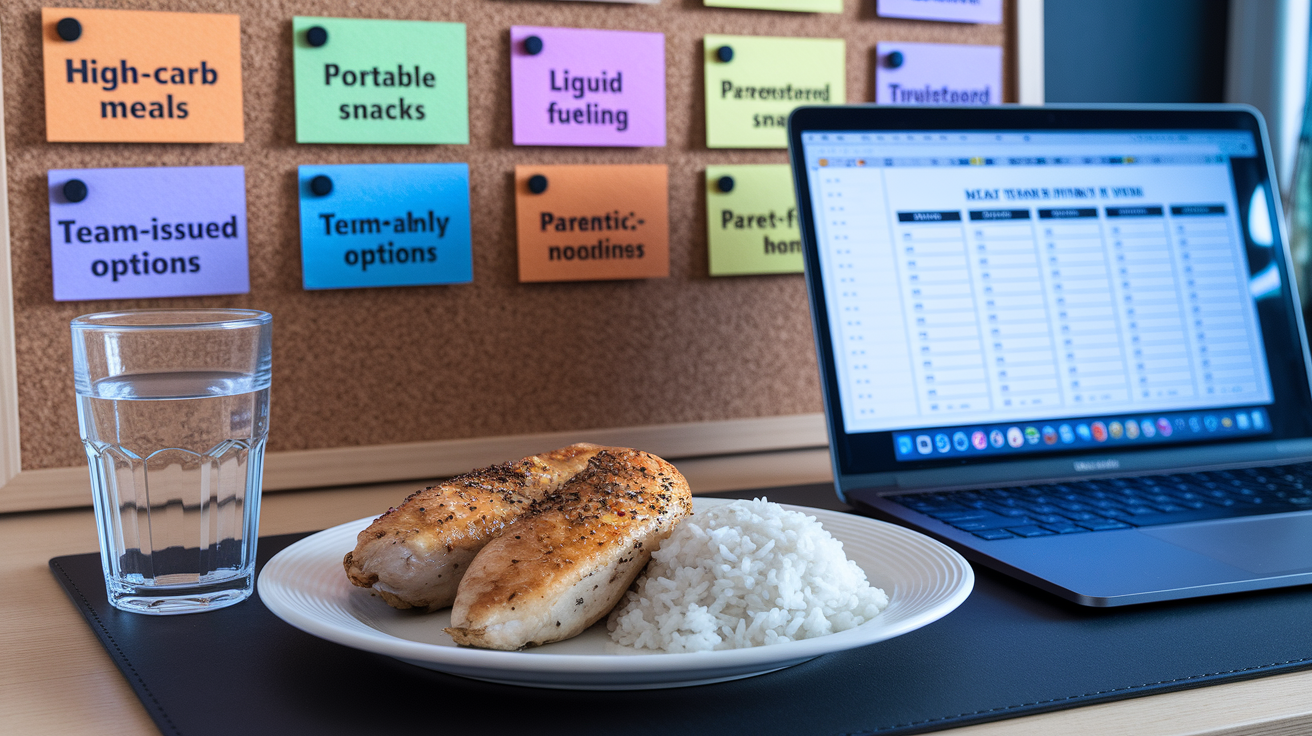
A team nutrition plan works when it’s simple enough for parents to execute and specific enough that players know exactly what to eat. The foundation’s a set of templates covering high-carb meals, portable snacks, liquid fueling options, team-issued choices, and meals families can prepare at home without needing a culinary degree.
Start with the macronutrient targets. Hockey’s a carb-intensive sport. Most players need 1 to 2 grams of carbs per kilogram of bodyweight each day to support training and games. Protein sits around 1.6 to 2.0 grams per kilogram for muscle repair and growth. Fat fills in the rest, usually 0.8 to 1.0 grams per kilogram, but keep it lower in the hours before and immediately after sessions to speed digestion. These numbers shift based on workload. A player logging 90 minutes of ice time in a tournament weekend needs more carbs than a player who practiced twice and sat the bench on Friday night.
Standardize the core meals and let players adjust portions based on size and position. A 90 kg defenseman eats more rice than a 70 kg winger, but both are eating chicken and rice. Build the plan around five categories that cover the full day and travel situations.
Customizable Team Nutrition Template Categories
High-carb performance meals: Grilled chicken with 1 to 1.5 cups white rice and steamed veggies, pasta with marinara and ground turkey, turkey and avocado sandwich on whole grain bread with a side of fruit.
Portable pre-practice and pre-game snacks: Rice cakes with peanut butter and honey, PB&J on white bread, Greek yogurt with granola and berries, mixed nuts and a banana.
Liquid fueling for tight schedules: Whey protein shake (one scoop) blended with one cup of Gatorade powder and water, smoothie made with Greek yogurt, frozen berries, spinach, and a banana.
Team-issued options for rinks and buses: Sports drinks in team coolers, pre-packaged protein bars (20+ grams protein, 30+ grams carbs), bananas and oranges in bins, sandwich platters (turkey, chicken, or ham on white or whole wheat).
Parent-friendly home builds: Scrambled eggs (3 to 4) with toast and fruit for breakfast, chicken rice bowls for lunch, pasta plates for dinner, snack kits with nuts, cheese sticks, and apples for between sessions.
Hydration and Electrolyte Strategies for Hockey Teams
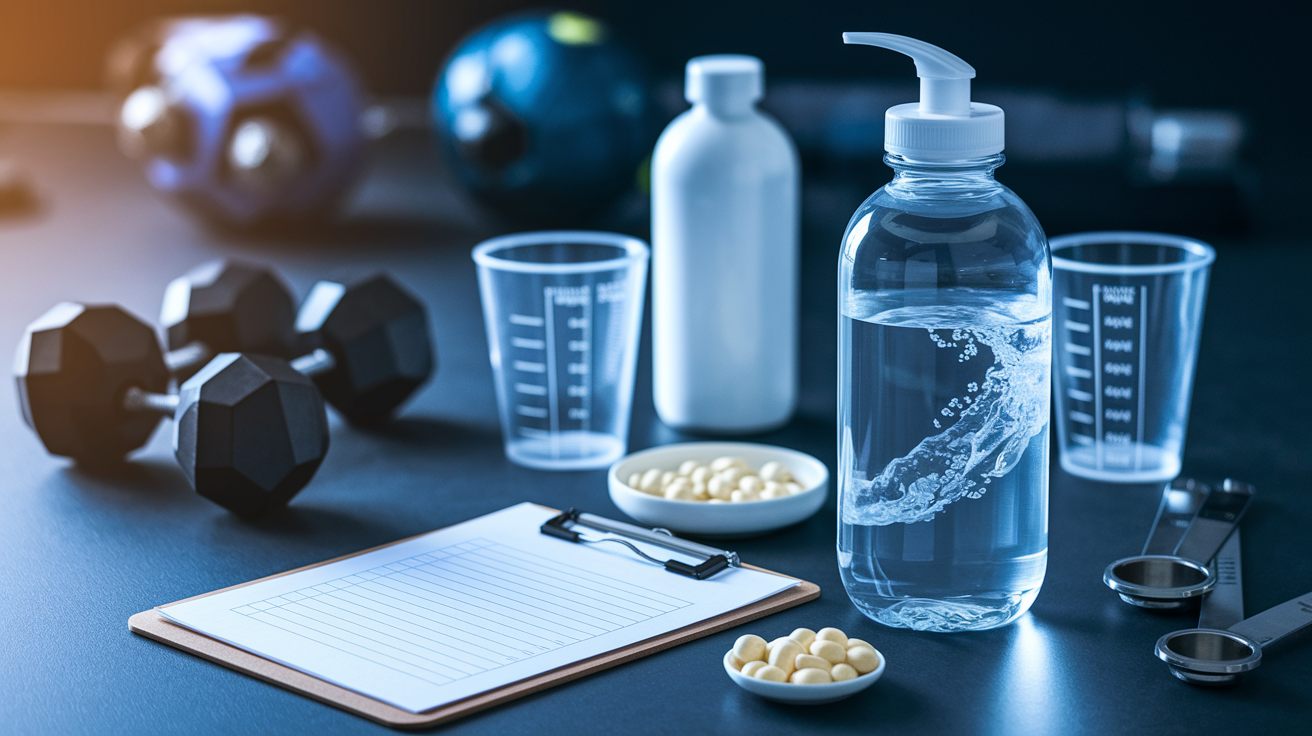
Dehydration cuts decision speed, skating power, and injury resistance. Even a two percent drop in body water hurts performance in ways you can measure on the ice. Most players show up to practice already behind on fluids, and the problem compounds when sessions stack up during tournaments or playoff runs.
Hydration’s not just water. Sweat pulls sodium, potassium, and chloride out of the body. Replace all three. The rule’s 16 to 20 ounces of water or a sports drink three to four hours before the session, then 8 to 12 ounces in the final hour. Sip electrolytes and water between periods during games. After the session ends, drink another 16 to 20 ounces right away and keep sipping throughout the evening. If urine’s darker than pale yellow, you’re still behind.
Daily Hydration Checkpoints for Teams
Wake-up checkpoint: Drink 16 ounces of water with a pinch of salt within 30 minutes of waking up to restore overnight fluid loss.
Pre-session checkpoint (3 to 4 hours out): Get 16 to 20 ounces of water or a sports drink in. Add an electrolyte tablet if you’re sweating heavily during warmups or travel.
Intra-session checkpoint: Sip 8 to 12 ounces of a sports drink or water between periods or during practice breaks. Don’t chug. It’ll cause GI discomfort.
Post-session checkpoint (0 to 20 minutes): Drink 16 to 20 ounces of water or a carb-electrolyte drink as part of the immediate recovery shake protocol.
Evening checkpoint: Keep sipping water throughout the evening. Aim for urine that’s pale yellow by bedtime. If you’re playing again within 24 hours, add an electrolyte drink before bed.
Recovery Modalities to Support a Hockey Team’s Nutrition Plan

Nutrition drives recovery, but physical modalities help the body use that nutrition more effectively. Self-myofascial release, mobility work, cold water immersion, low-intensity aerobic flushes, and light cooldowns all have a place in the post-practice and post-game window. The key’s knowing when to use each and how to fit them into a realistic schedule when you’re sharing one cold tub and one massage therapist across 25 players.
Cold tubs are the most widely used tool. Set the water at 52 degrees Fahrenheit and stay in for five minutes. Most teams use cold immersion after every game, practice, and lifting session. If you only have one tub and limited time, rotate players through in groups of three. Hot and cold contrast’s better in theory, but it’s rarely practical on the road when facilities give you a single tub in a hallway.
Self-myofascial release comes next. Foam rollers, massage sticks, tennis balls, and Yamuna balls let players manage their own tight spots. Target the hip flexors, hip rotators, adductors, quads, and hamstrings daily. Five to ten minutes of rolling after every session reduces soreness and keeps range of motion intact. Follow that with mobility and stretching routines. Partner-assisted PNF, active isolated stretching, and static holds all work. Let players choose the technique that fits their tightness and the time available. Flush rides on stationary bikes are still common even though the evidence for lactic acid removal’s thin. Teams use them because 20 players on bikes rehashing the game builds cohesion and keeps legs moving without adding load.
Recovery Modalities for Teams Between Practices and Games
Self-myofascial release: Daily foam rolling or stick work for 5 to 10 minutes targeting hip flexors, adductors, quads, hamstrings, and glutes. Players identify and address their own tight areas.
Mobility and stretching routines: Post-session flexibility work using PNF, active isolated, or static techniques. Focus on hip rotators, hip flexors, adductors, and hamstrings. 10 to 15 minutes per session.
Cold water immersion: 52-degree water for 5 minutes after every game and hard practice. Rotate players in groups if tubs are limited. Prioritize players with high ice time or back-to-back sessions.
Low-intensity flush rides: 10 to 20 minutes on a stationary bike at low resistance after games. Used for perceived recovery benefit and team cohesion rather than proven lactic removal.
Light aerobic cooldown: 5 to 10 minutes of easy skating or walking right after the game to bring heart rate down gradually before entering the recovery protocol.
Staffing and space will dictate what’s realistic. If you’ve got one massage therapist for 25 players, that therapist works pre and post-session as needed, but not every player gets hands-on time. Active Release Technique practitioners are increasingly common, and many players visit them off-site. Keep communication open between the practitioner and the coaching staff so treatment aligns with the training load. On the road, expect fewer resources. One tub, limited space, and tight timelines mean the core tools (shake, cold tub, SMR, and stretching) become the non-negotiables.
Game-Day and Practice-Day Sample Meal Plans for Hockey Teams

Planning meals by the clock removes guesswork and makes sure players show up fueled. The day starts when you wake up, not when you walk into the rink. Breakfast, mid-morning snack, lunch, pre-game meal, pre-game snack, in-game hydration, and post-game recovery all follow a timeline that supports glycogen levels, hydration status, and GI comfort.
The pre-game meal at 3:30 to 4:00 PM is the heavy lifter. It’s the biggest carb meal of the day and should land three to four hours before puck drop to allow digestion. A plate with 4 to 6 ounces of grilled chicken, 1 to 1.5 cups of white rice or pasta, and a small side of vegetables covers the macros without overloading the gut. The pre-game snack at 5:30 to 6:00 PM, 60 to 90 minutes before game time, is lighter. A smoothie, rice cakes with peanut butter and honey, or a classic PB&J with a piece of fruit keeps energy stable without causing GI distress. Sip water and electrolytes between periods during the game. Oranges are common, but test fruit tolerance in practice first.
Post-game’s non-negotiable. At least 30 grams of protein and a light carb source right after play. If another game or practice is scheduled within 24 hours, prioritize liquid fueling (shake with whey and carb powder) to speed absorption. If the next session’s two or three days out, a solid meal works fine.
| Time | Meal Type | Example Options |
|---|---|---|
| 7:00 to 8:00 AM | Breakfast | 3 to 4 scrambled eggs with veggies, whole grain toast, mixed nuts, berries, 16 to 20 oz water with a pinch of salt |
| 10:00 to 11:00 AM | Mid-morning snack | Greek yogurt with granola and fruit, mixed nuts, banana, 16 to 20 oz water |
| 12:00 to 1:00 PM | Lunch | Turkey or chicken sandwich on whole grain with avocado, side salad with olive oil, one piece of fruit, 16 to 20 oz water |
| 3:30 to 4:00 PM | Pre-game meal | 4 to 6 oz grilled chicken, 1 to 1.5 cups white rice or pasta, small side of steamed veggies, water or electrolyte drink |
| 5:30 to 6:00 PM | Pre-game snack (60 to 90 min before) | Smoothie with Greek yogurt and fruit, rice cakes with peanut butter and honey, PB&J with a banana |
Managing Recovery for Tournaments, Back-to-Back Games, and Travel

When the schedule compresses into five games in seven days or back-to-back weekend games, recovery becomes the difference between skating fast on Sunday and dragging through the third period. NHL teams face this reality all season. Youth and high school programs hit it during tournaments and playoff runs. Same rules apply, but execution gets harder when you’re in a hotel, facilities are limited, and meals come from wherever the bus stops.
Immediate refueling after each game is the anchor. Even if dinner’s two hours away, get the recovery shake in within 20 minutes of leaving the ice. A travel-friendly option’s pre-mixed powder in a shaker bottle. Add water from the rink fountain, shake, and drink. Pair it with a banana or a sports drink for the carb hit. Cold tubs are often limited on the road. If the host facility only provides one tub, rotate the players with the highest ice time or those playing again within 24 hours. If no tub’s available, ice packs on major muscle groups and legs elevated for 10 minutes can help manage soreness.
Hydration becomes harder to track when routines shift. Bring electrolyte tablets or powder packets so players can mix their own drinks in hotel rooms. Set checkpoint reminders on phones: wake-up hydration, pre-game hydration, post-game hydration, bedtime hydration. Mobility work can happen in tight spaces. A foam roller and a resistance band fit in an equipment bag, and 10 minutes of hip mobility and hamstring stretching in a hotel room maintains range of motion when there’s no gym access.
Strategies for Tight Competitive Schedules
Immediate refuel after every game: Get a shake or solid meal with 40 grams of protein and 60 grams of carbs within 20 minutes, even if you’re on the bus or in the locker room.
Travel-friendly meal options: Pre-packaged protein bars, shaker bottles with powder (add water at the rink), bananas, apples, mixed nuts, turkey sandwiches, and electrolyte packets that fit in a bag.
Hydration checkpoints on the road: Set phone alarms for wake-up (16 oz), pre-game (16 oz), post-game (16 oz), and bedtime (8 oz with electrolytes if playing again within 24 hours).
Mobility in limited spaces: Foam roll hip flexors, quads, and hamstrings in the hotel room for 5 to 10 minutes. Use resistance bands for hip activation and glute work.
Hotel-room snack kits: Stock the mini fridge or a cooler with Greek yogurt, string cheese, apples, bananas, mixed nuts, rice cakes, peanut butter packets, and bottled water or sports drinks.
Supplements and Safe Add-Ons for Hockey Team Recovery
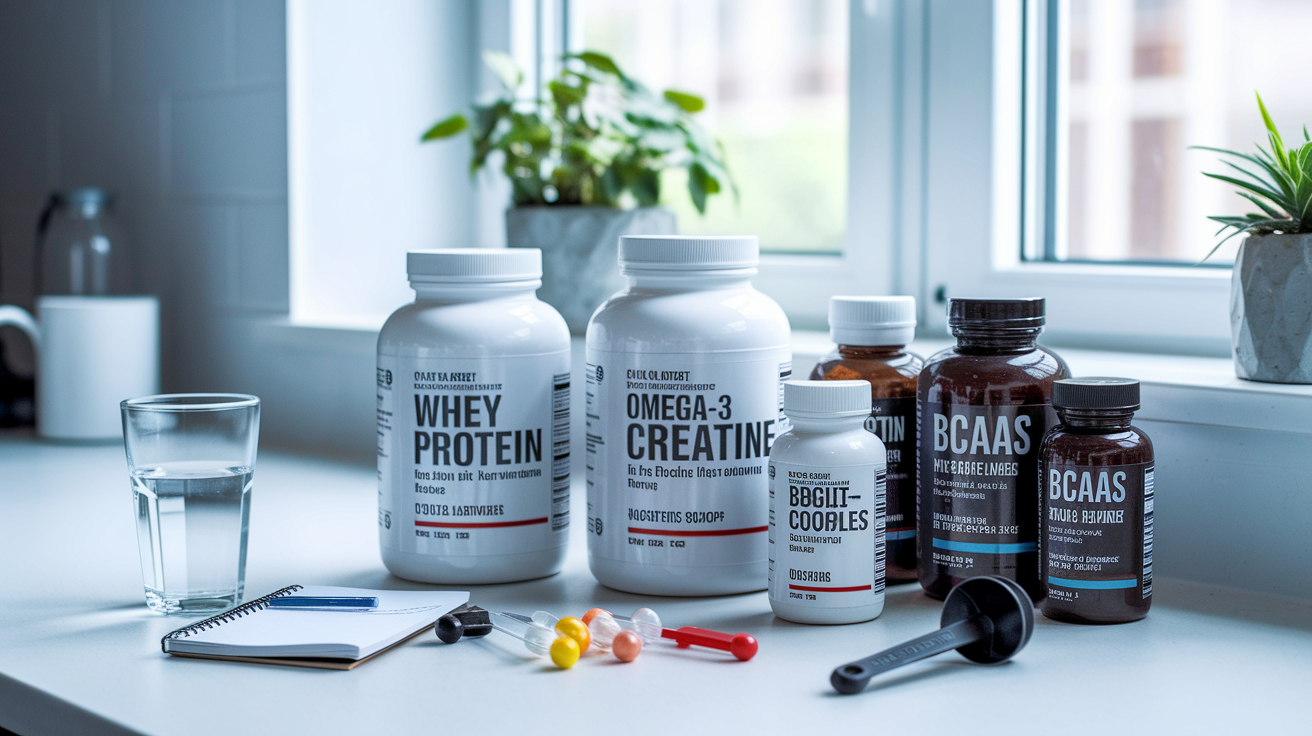
Supplements fill gaps when whole food isn’t practical or fast enough. They’re not magic, but they’re useful in the right situations. Whey protein and carb powders are the most common because they absorb quickly and deliver precise macros when time’s tight. If a player has another session within 24 hours, a liquid shake beats a solid meal for speed. Mix one scoop of whey (20 to 25 grams of protein) with one cup of carb powder (50 to 60 grams of carbs) and water. Drink it within 20 minutes of finishing the session.
Creatine monohydrate supports power output and recovery when dosed consistently at 3 to 5 grams per day. It’s one of the most researched supplements in sports, and it’s safe for healthy athletes. Omega-3 fatty acids from fish oil reduce inflammation and support joint health, especially during high-volume training blocks. Branched-chain amino acids (BCAAs) are popular but less necessary if protein intake from food and shakes is already solid. Caffeine can help focus and energy before games, but timing matters. If you take it too close to game time, it can cause GI distress or jitters. Test caffeine during practice, not on game day.
Supplement Categories and Usage Rules
Whey protein powder: Use right after a session when solid food isn’t available. Dose at 20 to 25 grams per shake. Choose unflavored or simple flavors to avoid GI upset.
Carbohydrate powder: Pair with whey for post-session recovery. Dose at 50 to 60 grams for most players. Simple sugars like dextrose or maltodextrin absorb faster than complex blends.
Creatine monohydrate: Dose at 3 to 5 grams daily, taken any time of day. Supports power, strength, and muscle recovery. Safe and well-researched for team athletes.
Omega-3 fish oil and travel-friendly capsules: Dose at 1 to 2 grams of combined EPA and DHA per day. Supports inflammation management and joint health. Capsules travel easily and don’t need refrigeration.
Monitoring Player Readiness and Adjusting Team Recovery Plans

Recovery plans only work if you monitor whether they’re working. Soreness, sleep quality, hydration status, and training load all signal whether a player’s recovering or sliding backward. Coaches who track these inputs can adjust carb loads, hydration protocols, and rest days before performance drops.
Soreness scales are simple. Ask players to rate muscle soreness on a 1 to 10 scale each morning. If soreness stays above 6 for multiple days, carb intake may be too low, sleep may be inadequate, or the training load may be exceeding recovery capacity. Heart rate variability tracking, if your team uses wearable devices, shows autonomic nervous system recovery. A declining HRV trend suggests the body’s still stressed and may need an extra rest day or a reduction in intensity. Hydration checks using urine color charts take five seconds and catch dehydration before it impacts the ice.
Monitoring Tools and Adjustment Triggers
Daily soreness checks: Use a 1 to 10 scale each morning. If soreness stays above 6 for three consecutive days, increase carb intake by 0.5 grams per kilogram and review sleep duration.
Hydration status monitoring: Check urine color against a standard chart. Aim for pale yellow. If it’s darker than straw color for two days in a row, add 16 ounces of water per day and an electrolyte drink post-session.
Sleep tracking and quality questions: Ask players how many hours they slept and whether they woke up feeling rested. If sleep’s consistently under 7 hours, adjust practice start times or recommend earlier bedtimes.
Carbohydrate load adjustments based on intensity: On hard practice days, tournament weekends, or back-to-back games, increase carb intake to the high end of the 0.5 to 1.0 grams per kilogram range. On rest days, drop to the lower end.
Final Words
Back in the locker room, the clock ticks and the first post-shift bite matters. This guide covered the 0–20 minute window, the macro rules, and when liquid fueling is your fastest option. It also gave team-ready steps, timing strategies, hydration rules, and recovery modalities you can standardize.
Use simple checks — hydration, cold tub timing, mobility work, soreness tracking — to keep players available. Apply the recovery and nutrition plan for hockey teams between practices and games and you’ll cut recovery time and show up fresher next shift.
FAQ
Q: What is the 4-2-1 rule for athletes?
A: The 4-2-1 rule for athletes is a simple pre-game timing guide: 4 hours for a full carb-rich meal, 2 hours for a lighter meal, and 1 hour for a small snack or fluid-only top-up.
Q: What should hockey players eat between games?
A: Hockey players should eat between games focusing on quick carbs and moderate protein: aim for 0.5–1.0 g/kg carbs and ~0.5 g/kg protein within 20–60 minutes; sports drinks, rice, sandwiches, or a recovery shake work well.
Q: What is rule 46 in hockey?
A: Rule 46 in hockey varies by league; check the specific league or tournament rulebook or website for the exact wording and any disciplinary or procedural meaning.
Q: How to recover between hockey games?
A: To recover between hockey games, refuel in the 0–20 minute window with 0.5 g/kg protein and 0.5–1.0 g/kg carbs, rehydrate, do a light cooldown, foam roll, and prioritize short rest or sleep.