

Think the highest point totals always get college offers?
They don’t.
College coaches start every evaluation with one simple question: “Does this player make our roster better?”
That answer comes from more than goals and assists.
Coaches look at skating, hockey IQ, compete level, physical growth, academics, and character.
This post breaks down each priority, shows what coaches actually notice in games and video, and gives clear next steps players and parents can use.
Read on to learn how to build a recruiting profile that stands out.
What College Hockey Coaches Prioritize in Recruits

College hockey coaches start every evaluation with one question: “Does this player make our roster better?” That’s it. The answer doesn’t come from stats alone. Coaches need to project how a 16- or 17-year-old will develop over the next few years, how they’ll handle college pace, and whether they’ll fit the locker room and the classroom. You’ve probably seen highly skilled players get passed over while quieter teammates land offers. That happens because recruitment weighs multiple things at once.
Coaches examine skating ability, hockey sense, compete level, physical development, academics, and character. These overlap. Strong skating with poor decisions limits upside. Elite IQ with questionable work ethic creates risk. Coaches invest scholarship dollars and roster spots in players who’ll represent the program for four years, so they want recruits who can execute the system, grow physically and mentally, and contribute off the ice too.
Here’s what coaches consistently prioritize:
- Skating ability (speed, acceleration, edge control, fluidity under pressure)
- Hockey IQ (anticipation, positional awareness, real-time decisions)
- Compete level (effort in battles, puck protection, forechecking intensity, shift-to-shift consistency)
- Physical development (current size, strength trajectory, ability to handle college physicality)
- Academic eligibility (GPA, core courses, NCAA clearinghouse compliance)
- Character and coachability (leadership, attitude during adversity, respect for teammates and staff)
These six factors form the foundation. Understanding them lets you control what you can control and build a recruiting profile that stands out.
Skating Ability and On-Ice Movement Standards

Skating is the first filter. Coaches watch three or four shifts, and if the skating doesn’t match the level, the evaluation ends. College hockey happens fast. Defenders need to close gaps in seconds. Forwards need to separate from checks. Everyone transitions smoothly from offense to defense without losing speed. If you look slow or labored, great hands or a big shot won’t matter because you can’t keep up.
Modern programs demand efficient movement in all directions. Strong forward stride, quick first steps out of corners, tight turns under pressure, backward skating with control while tracking attackers. Coaches also evaluate balance during contact, recovery speed after a hit or missed play, and whether you maintain good posture through crossovers and transitions. A recruit who glides too much, takes choppy strides, or loses edges in traffic will struggle at the college level.
Coaches analyze these skating components during live evaluations:
- First-step quickness (exploding into open ice or closing a gap immediately)
- Top-end speed (maintaining acceleration over 30 to 60 feet without losing control)
- Edgework and agility (tight turns, crossovers, pivots, backward-to-forward transitions)
- Balance and recovery (staying on feet through contact and regaining speed after physical plays)
Hockey IQ and Decision-Making Evaluation

Hockey sense separates recruits who look good in drills from players who make teams better in games. Coaches want to see how you process information under pressure. Where do you look before you get the puck? How quickly do you identify the next play? Do you understand what the situation calls for? A player with strong IQ anticipates where teammates and opponents will be in two or three seconds, not just where they are now. That ability to read ahead is what lets college players execute at high speed without turning the puck over or making costly mistakes.
Coaches evaluate decision-making by watching how recruits handle different game situations. Do they know when to chip the puck out versus when to hold and make a play? Do they recognize odd-man rushes developing and adjust positioning? Can they manage the clock and understand score-and-situation hockey? These reads don’t show up on highlight reels, but they’re visible to experienced coaches. A recruit who consistently makes the right play, even if it’s simple, will get more attention than someone who tries highlight-reel moves at the wrong times.
Strong hockey IQ also shows up in habits that reflect understanding of team structure. Coaches notice when a forward supports the breakout in the right lane, when a defenseman steps up at the right moment to hold the blue line, or when a player communicates a change or coverage assignment. These details signal that you understand systems, follow instructions, and can be trusted to execute a game plan. A winger who recognizes a 2-on-1 developing and immediately gets above the puck to support the backcheck shows situational awareness most 16-year-olds don’t have yet. That’s the kind of IQ college coaches want.
Physical Attributes and Development Projection
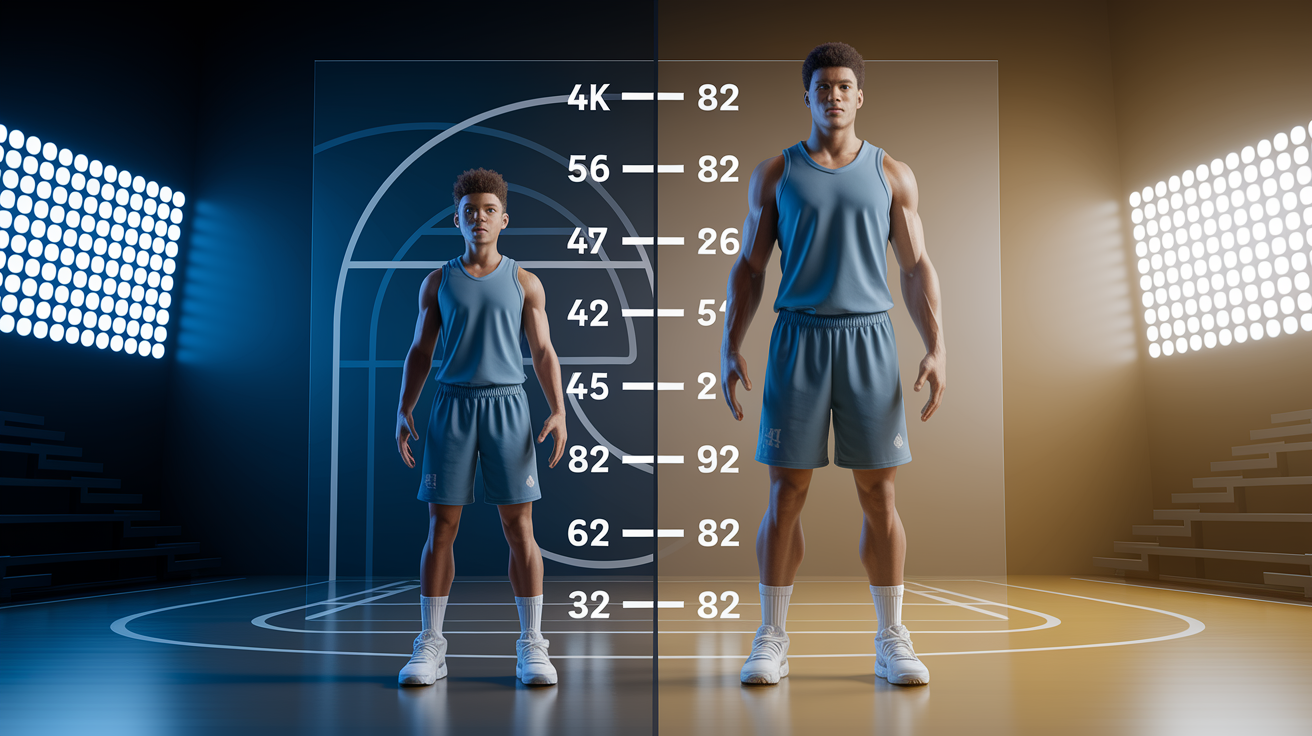
Size helps, but it’s not a deal-breaker. Coaches care more about how you use your body and how much room you have to grow. A 5’9″ recruit who plays strong on the wall, protects the puck well, and shows the strength to win races and battles can absolutely play college hockey. A 6’2″ recruit who avoids contact and gets outworked in the corners usually can’t. What matters is whether you compete physically, whether your skating and conditioning allow you to sustain that effort, and whether your frame suggests you’ll add functional strength over the next few years.
Coaches project development by looking at age, build, and current strength relative to peers. A late-birthday recruit who’s still filling out has more upside than an early-birthday recruit who’s already near their physical ceiling. Programs also track measurable benchmarks like squat and deadlift numbers, sprint times, and aerobic capacity to gauge how serious you are about off-ice training.
Physical readiness for college hockey includes several indicators coaches assess during visits, combines, or video review. They want to see that you can handle the pace and contact of the college game without breaking down or getting pushed off pucks. A player who shows consistent effort in board battles, recovers quickly between shifts, and demonstrates improving strength from season to season signals they’re prepared to keep developing. A defenseman who adds 15 pounds of functional muscle between sophomore and junior year and improves their gap control as a result proves they understand what it takes to compete at the next level. That trajectory matters more than being the biggest player on the ice right now.
Character, Work Ethic, and Coachability

Coaches invest years in recruits, so they need to know you’ll show up every day, accept feedback, and handle adversity without becoming a problem. Character evaluation starts long before a formal offer. Coaches talk to junior coaches, high school coaches, teachers, and billet families. They ask how you respond to being benched, how you treat teammates when things go wrong, and whether you take responsibility or make excuses. A recruit who blames linemates, argues with officials, or sulks on the bench raises red flags that can end recruiting conversations quickly.
Work ethic shows up in patterns. Do you arrive early for practice? Stay late for extra shooting or skating? When a coach corrects something, do you adjust immediately or keep making the same mistake? Coaches notice recruits who ask questions, who work on weaknesses instead of just showcasing strengths, and who compete in small-area drills with the same intensity they bring to games. A player who goes hard in a 3-on-3 battle drill in July tells a coach they’ll compete in February when the team is fighting for a playoff spot.
Leadership matters, especially for recruits who’ve worn letters or filled veteran roles. Coaches want players who hold teammates accountable, who stay positive during losing streaks, and who model the habits the program values. That doesn’t mean every recruit needs to be a captain, but coaches watch how you interact with others, how you handle frustration, and whether you make the people around you better. A recruit who encourages a struggling linemate, who takes a younger player under their wing, or who visibly respects the coaching staff during a tough conversation demonstrates maturity that translates to college locker rooms.
Academic Expectations and NCAA Eligibility

Academics can kill a recruitment before it starts. NCAA Division I and Division II programs require recruits to meet minimum GPA and core course standards set by the NCAA Eligibility Center. If you don’t clear those thresholds, coaches can’t offer a roster spot no matter how talented you are. Most competitive programs expect recruits to carry at least a 2.7 to 3.2 GPA, and many coaches prefer a 3.0 or higher because it signals discipline and the ability to manage time between hockey and school.
The earlier you start tracking academic progress, the better. Coaches often say the recruitment process should begin in freshman year of high school, and that applies to academics as much as hockey development. Core courses (English, math, science, social studies) need to be completed with passing grades, and you need to register with the NCAA Eligibility Center well before senior year to avoid last-minute eligibility issues. Division III programs don’t have the same NCAA clearinghouse requirements, but academic fit still matters because those schools can’t offer athletic scholarships and rely on academic merit aid and need-based packages to make attendance affordable.
Key academic milestones every hockey recruit should track:
- Register with the NCAA Eligibility Center by the end of junior year (Division I and II recruits).
- Maintain a core-course GPA above 2.3 (NCAA minimum) but aim for 3.0 or higher to stay competitive for most programs.
- Complete required core courses in English, math, science, and social studies according to NCAA or school-specific guidelines. Verify with your high school counselor that courses count toward eligibility.
How Players Can Increase Visibility to College Coaches
Getting noticed requires intentional effort. College coaches can’t watch every game or visit every rink, so you need to put yourself in situations where evaluations happen. That means playing in leagues and attending showcases where NCAA coaches regularly scout, creating video that highlights the qualities coaches care about, and reaching out directly with clear, organized information. Waiting for a coach to discover you rarely works. The players who get recruited make it easy for coaches to see them, evaluate them, and track their progress.
Showcases and high-level leagues are the most reliable exposure channels. Events like USA Hockey national tournaments, NAPHL showcases, and top-tier junior leagues attract dozens of college coaches looking for specific positions and grad years. If you’re playing at a level where coaches don’t attend games, you need to either move to a higher league or bring your game to the coaches through video and direct outreach. A recruit playing solid hockey in a lower-tier league might not get seen, but if they attend two or three targeted showcases and send game film to 20 programs, they create opportunities that wouldn’t exist otherwise.
Video has become essential, but it needs to be done right. Coaches want short highlight reels that show skating, decision-making, and compete level in the first 30 seconds, followed by a few full games where they can evaluate consistency and habits. A three-minute highlight video paired with links to three recent full games gives a coach everything they need to decide whether to keep watching or move on. Make sure video files are easy to access (Google Drive or Vimeo links work well) and include a simple one-page summary with your position, stats, measurements, and contact information.
Practical strategies to increase exposure to college coaches:
- Attend 2 to 4 high-visibility showcases or tournaments per season where NCAA coaches are known to scout heavily
- Play in competitive leagues such as USHL, NAHL, NCDC, or top-tier midget/U18 programs that draw regular coach attention
- Create a 2- to 3-minute highlight video that leads with your best skating, IQ, and effort clips, then provide links to 3 to 5 full recent games
- Build a one-page recruiting resume with your position, height, weight, birthdate, team, league, season stats, GPA, and coach references
- Email targeted college coaches directly with your resume, video links, and upcoming schedule. Follow up every 4 to 6 weeks with new stats and video updates
Communication Strategies for Prospects and Families

Reaching out to college coaches is part of the process, but it has to be done professionally and strategically. Coaches receive hundreds of emails from recruits every year, so the ones that get attention are concise, respectful, and easy to act on. Start with a brief introduction that includes your grad year, position, current team and league, and a one-sentence summary of your strengths. Then provide links to video, your upcoming schedule, and your contact information. The goal is to give a coach enough to decide if they want to learn more, not to tell your entire hockey story in the first email.
Timing and frequency matter. Sending an initial email after a strong performance at a showcase or tournament makes sense because you can reference a specific game the coach may have seen or can review. Following up every month or two with updated stats, new video, or an upcoming schedule keeps you on the radar without becoming a nuisance. Respect NCAA contact rules. Coaches can’t initiate certain types of contact until specific dates depending on division and sport, but recruits and families can always reach out first. If a coach responds and asks for more information, reply quickly and provide exactly what they requested. If a coach asks for three full games from this season, send those links within 24 hours along with a brief thank-you. That responsiveness signals maturity and seriousness about the opportunity.
Case Studies: Real Examples of Recruits Who Earned Offers
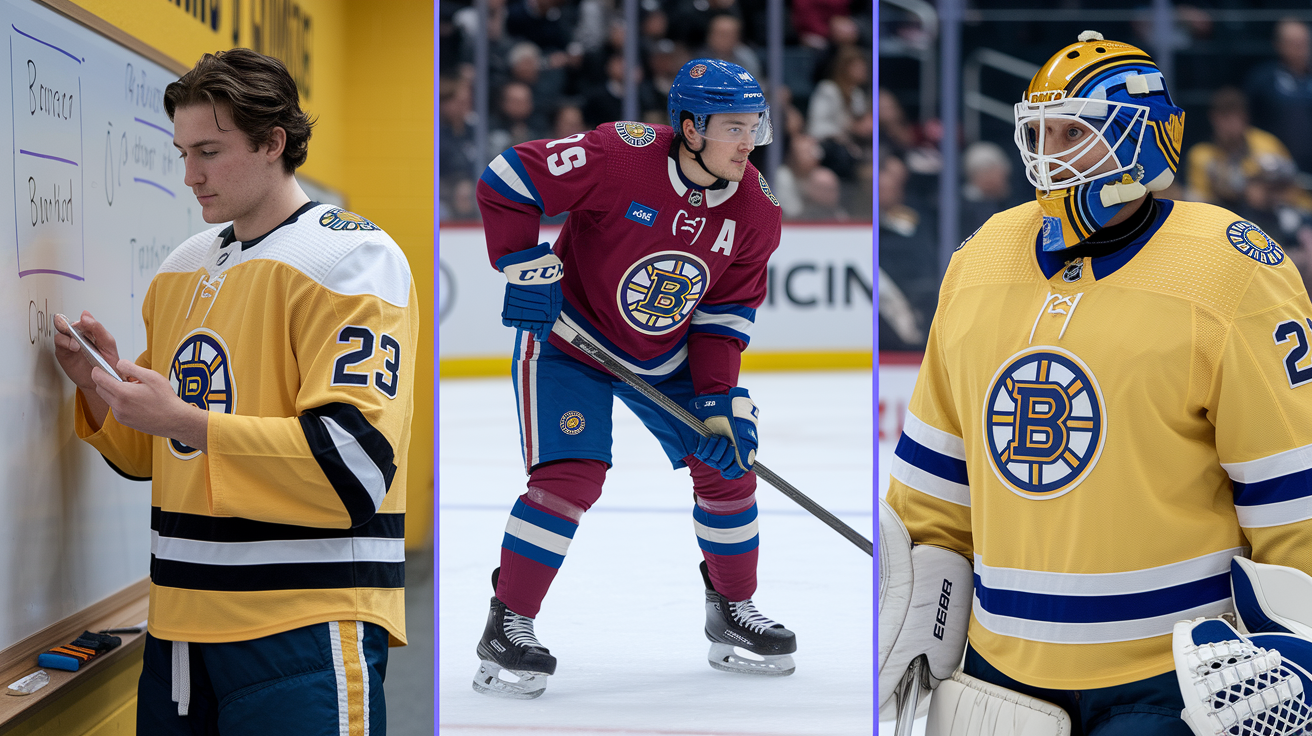
Coaches often tell stories about recruits who stood out for reasons that go beyond raw talent. One Division I assistant recalled a defenseman who wasn’t the fastest skater at a summer showcase but consistently made the right read under pressure, communicated coverage on every shift, and never lost a board battle. That compete level and hockey IQ convinced the staff he could be developed into a reliable top-four defender, and he earned an offer before his junior season started. Another coach highlighted a forward who improved his skating dramatically between sophomore and junior year by training with a skating coach all summer, then sent updated video showing the progress. That commitment to addressing a weakness turned a “maybe” recruit into a scholarship player.
Character and work ethic frequently tip decisions when athletic ability is close. A Division III coach described a goalie who wasn’t the most athletic prospect in his class but showed up to every optional workout, asked detailed questions about positioning, and earned strong references from his junior coach and billet family. The coach knew that player would fit the program’s culture and continue improving, so he offered a roster spot over a flashier goalie with questionable effort habits.
| Player Example | Key Strength | Why Coaches Offered |
|---|---|---|
| Defenseman, Tier II junior | Hockey IQ and compete level | Consistently made smart reads under pressure and never lost physical battles; projected as coachable and reliable despite average speed |
| Forward, prep school | Skating improvement and work ethic | Addressed biggest weakness through focused summer training; new video proved commitment to development and raised ceiling |
| Goalie, midget AAA | Character and coachability | Strong references, consistent effort in optional training, and cultural fit outweighed slightly lower athletic upside compared to other goalies |
Final Words
Skating, smart reads, and consistent compete are the first things coaches see during a shift. We broke down why skating and on-ice movement matter, how hockey IQ and decision-making show up, and why compete level is non-negotiable.
We then covered size and growth projection, character and coachability, NCAA academic rules, how to get noticed, and practical communication tips, plus real recruit examples that show these traits winning offers.
Use the checklist above to plan your next steps. Focus on the areas covered and you’ll match what college coaches look for in hockey recruits, and give yourself the best chance to get seen.
FAQ
Q: What do college hockey coaches look for in players?
A: College hockey coaches look for elite skating, high hockey IQ, relentless compete, physical projection, strong character, and academic eligibility; the top three recruitable traits are skating, decision-making (hockey IQ), and work ethic.
Q: Where do you put your weakest player in hockey?
A: You put your weakest player in a sheltered fourth-line role, usually as a winger on the wall, paired with a strong two-way center or veteran; give simple defensive tasks and limit tough zone starts.
Q: How to get recruited for D1 hockey?
A: To get recruited for D1 hockey, develop elite skating and skills, play in high-level leagues and showcases, send concise emails with a highlight video, and meet NCAA academic and eligibility requirements.