

Think a zone defense is unbeatable? Think again.
A basic zone offense is about moving the ball and occupying gaps, not trying to beat a single defender with one move.
Get the ball to the spots that force defenders to choose, and you get open shots.
This post breaks down simple, repeatable strategies—spacing, wing entries, high‑post flashes, short‑corner reads, ball reversals and skip passes—that work against 2‑3, 3‑2 and 1‑3‑1 zones.
Read on to learn what to do, when to do it, and how to practice it so teams at any level score more against any zone.
Core Foundations of Attacking a Zone Defense
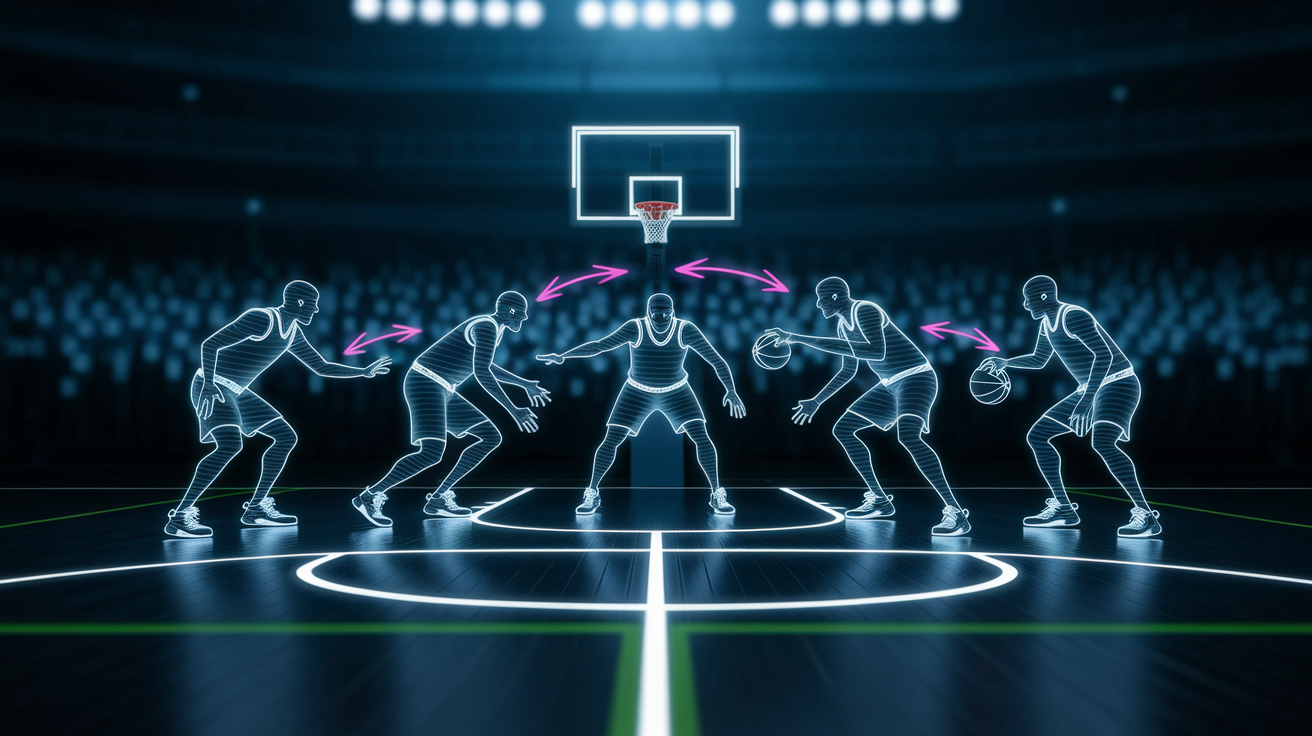
A basic zone offense is how you attack defenses that guard space instead of people. Unlike man-to-man, where you’re trying to beat one guy with a screen or a cut, zone offense is about moving the ball and finding the gaps before defenders can recover. You want to swing it faster than they can rotate and make them choose between two bad options.
Spacing makes everything possible. When your five players are in the right spots, you force two defenders to worry about one offensive player at multiple points on the floor. Ball movement pulls help out of position and opens passing windows into the paint or out to shooters. Quick swings from wing to wing shift the entire zone, and gaps that weren’t there a second ago suddenly open up.
Simple entry actions get the offense started. A wing entry with an immediate reversal is one of the cleanest ways to displace help and test how well a zone communicates. Or you can flash someone into the high post to collapse the middle and open baseline or corner looks right away.
Core stuff every coach and player needs to know:
- Ball movement: swing it faster than they can rotate. Reversals and skip passes are your main weapons.
- Identifying gaps: recognize the space between two defenders where passing lanes and cutting windows open.
- Establishing alignment: set up in formations that stretch the zone side to side and top to bottom. A common starting point is a 3‑2 shell with two wings and three low players including short corners.
- Using simple entry actions: wing entry, high-post flash, or dribble penetration to trigger movement and get the defense reacting.
Spacing Concepts That Make Basic Zone Offense Effective

Spacing tells defenders where they have to stand and how far they have to move on each pass. When you occupy the gaps between zone defenders, it forces coverage decisions that create openings. Playing behind the zone, especially in short corners or on the baseline, pulls low defenders away from the rim and opens high-low passing lanes. Swinging the ball on initial entry displaces help before they can settle in.
The most effective spacing formations stretch the floor both ways. Three-out-two-in alignments (like a 3‑2 shell) put two players high and three low, occupying wings and short corners. Two-three setups flip that, often with two guards at the top and three players across the baseline or free-throw line extended. One-three-one formations use a point guard, three across (with a middle player at the free-throw line), and one baseline post to threaten multiple layers.
| Formation | Key Spots | Primary Reads |
|---|---|---|
| 3‑2 Shell | Two wings high; short corners and paint | High-low from short corner; ball reversal wing-to-wing; baseline flashes |
| 2‑3 Alignment | Two guards at top; three across baseline/elbow area | Inside-out action; corner three; high-post entry with baseline cut |
| 1‑3‑1 Set | Point at top; three across (middle at FT line); one baseline post | Quick reversals through middle; baseline cutter off high-post feed; skip pass to corner |
Essential Player Movements in a Basic Zone Offense

Off-ball movement turns spacing and ball movement into actual scoring chances. When the ball swings, every player without it needs to relocate into the new gaps created by defensive rotation. Perimeter players move into shooting windows, often stepping into the space a help defender just left. Inside players adjust by circling away from the ball or sealing off collapsing help. Static offense lets the zone recover. Constant relocation keeps defenders a step behind.
Dribble penetration forces the biggest defensive reactions. When you attack a gap, the nearest low defender has to step up, which opens a high-low passing lane or a baseline cut. Inside players should circle away from penetration to create better passing angles and seal any help dropping into the paint. If a wing defender helps down, the perimeter player on that side relocates to the open spot for a kick-out pass.
Timing matters. Cutters moving too early let defenders recover. Too late and they arrive after the window closes. The best cue is visual: when a defender turns their head or takes a full step toward the ball, that’s when the cutter or relocating shooter moves into the gap. Coaches should drill catch-and-attack footwork so players read closeouts on the catch and immediately attack with the first dribble while help is still recovering.
High-Post and Short-Corner Concepts for Basic Zone Offense

The high post and short corners are the two highest-value interior positions against most zones. A high-post flash pulls the middle of the zone up and creates immediate passing options to baseline cutters, opposite wings, or short-corner feeds. When the ball enters the high post, the defense has to account for a potential shot, a dribble handoff, or a hi-lo feed to the low block. That split-second hesitation is when gaps open.
Short-corner positioning creates natural two-on-one situations with the low defender. If the short-corner player catches the ball, the baseline defender has to help, which opens the baseline for a cutter or leaves the opposite block open for a cross-court pass. If the defender stays home on the baseline, the short-corner player has a clean driving lane or a high-percentage shot.
Reads off a high-post catch:
- Baseline cutter: if the low defender drops to help on penetration, the baseline cutter flashes to the rim.
- Opposite wing: skip pass to the weak-side wing who relocated into the gap left by rotating help.
- Short-corner feed: drop pass to the player in the short corner who sealed the low defender.
- Dribble handoff: hand the ball to a wing cutting off the high post to attack a shifting defense with a live dribble.
How to Use Ball Reversal and Skip Passes in a Basic Zone Offense

Ball reversal forces every zone defender to move. The more passes required to reverse the ball, the more chances for a defender to be late or out of position. A simple wing-to-wing reversal through the top shifts the entire defense side to side. A skip pass, where the ball bypasses the next logical pass and goes two positions over, punishes over-rotation. If the defense is sliding hard to the strong side, a skip pass to the opposite wing or corner often finds a shooter with space and time.
Initial wing entry followed by immediate reversal is one of the cleanest ways to test a zone’s discipline and communication. The first pass to the wing pulls help toward the ball. The reversal pass back to the top and then to the opposite wing forces defenders to recover across the floor. If the zone is slow or poorly coached, that second or third swing creates an open shot or a driving lane.
When to skip-pass:
- Help over-rotates: when two defenders collapse to the ball side, skip opposite to exploit the vacated space.
- Baseline trap: when the defense sends a hard trap to a corner, skip back to the top or weak-side wing.
- Recovery is late: anytime you see a defender sprinting to catch up, skip the ball to where they’re coming from.
Common Zone Formations and Simple Attacks for Each

Attacking a 2‑3 Zone
A 2‑3 zone puts two defenders at the top (usually guarding the wings and point area) and three across the baseline and elbows. It’s strong in the paint and on the baseline but vulnerable to ball reversal and perimeter shooting. The main attack is to put a player in each gap: two wings, a middle player (often at the free-throw line or elbow), and two short corners or baseline players.
Initial entry should go to a wing, then reverse quickly through the top to the opposite wing. This forces the bottom three defenders to shift, and the middle defender has to choose between helping on the wing or staying home on the high post. When the ball swings, the weak-side short corner or baseline player flashes into the gap for a feed. High-low action works well here: enter the high post, then feed the short corner or baseline player who seals the low defender. Corner skip passes punish over-help on the strong side.
Attacking a 3‑2 Zone
A 3‑2 zone places three defenders across the top and two down low. It’s built to take away perimeter shots and force you to work the ball inside. The best counter is to play behind the zone with short-corner players and use quick ball movement to pull the low defenders away from the rim. Set your wings high and wide, and place two players in the short corners or on the baseline.
Wing entry followed by a feed to the short corner creates an immediate high-low opportunity. If the low defender steps up, the baseline is open for a cutter. If the defender stays home, the short-corner player can drive or shoot. Ball reversal is critical. Swing the ball from wing to wing to shift the top three defenders and create gaps for skip passes or dribble penetration. Overloading one side by moving an extra player into the strong-side short corner forces the defense to choose: help on the overload and leave the weak side open, or stay home and give up a two-on-one.
Attacking a 1‑3‑1 Zone
A 1‑3‑1 zone uses one player at the top, three across the mid-court area (with the middle player usually at the free-throw line), and one baseline defender. It’s built to trap and disrupt, especially in the corners. The attack should focus on quick ball movement through the middle and punishing the single baseline defender.
Enter the ball to a wing, then look immediately for the high-post flash in the middle. When the ball enters the high post, the baseline defender has to account for multiple threats: a baseline cutter, a short-corner feed, or a skip pass to the opposite wing. The middle player at the free-throw line is the hub. Feed them early and often, and let them distribute. Reversals through the middle are faster than swing passes around the perimeter. If the defense traps a corner, the ball should come back to the high post and skip to the weak side before the trap fully forms.
Dribble Penetration and Kick-Out Actions in Basic Zone Offense

Dribble penetration collapses a zone faster than any pass. When you attack a gap, especially between the wing and the elbow or from the short corner toward the baseline, the nearest help defender has to step up. That opens passing lanes and cutting windows. The key is to penetrate with purpose: drive to score, draw help, or create a kick-out opportunity. Aimless dribbling lets the defense recover.
Inside players need to react to penetration by circling away from the ball. If a wing drives baseline, the post player on that side should step away from the rim to create a better passing angle and seal any help defender collapsing into the paint. Perimeter players fill the windows created by rotating defenders. If the top defender drops to help on penetration, the player at the top relocates into the open spot for a kick-out three. Attacking closeouts on the catch, stepping into the shot or driving past the recovering defender, is one of the highest-return skills at the youth and high school levels.
Screening Actions That Enhance a Basic Zone Offense
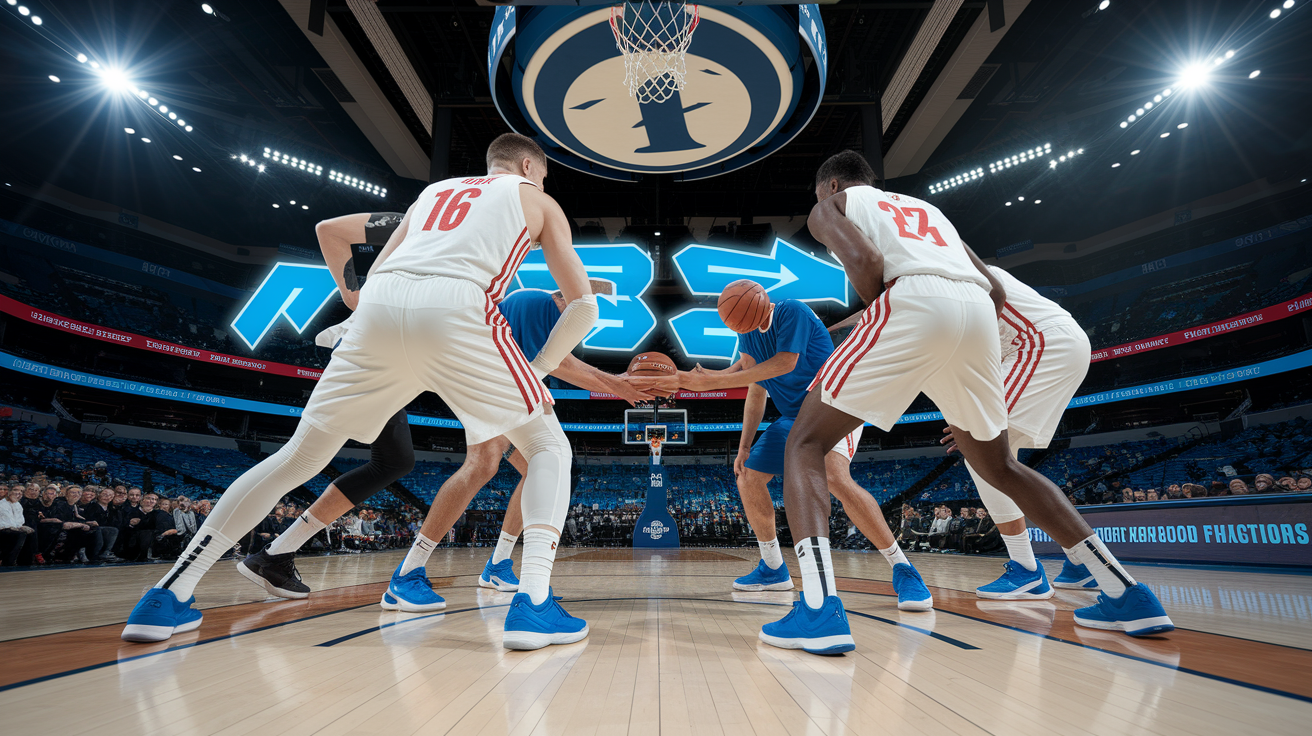
Screens in a zone offense work differently than in man-to-man sets. Instead of freeing a specific player from their defender, screens manipulate how zone defenders rotate and communicate. A well-timed screen can hold a defender in place for an extra half-second, and that’s all it takes to open a shot or a passing lane.
Inside ball screens work when the screener sets with their back to the middle of the floor, forces the top defender over the screen, then short-rolls to the center of the zone. This action draws two defenders to the ball and creates skip-pass opportunities to the weak side. If the defender goes under the screen, the screener should re-screen or slip to the middle for a feed. Baseline stagger screens free a shooter to the corner. Two players set consecutive screens for a cutter coming from the opposite block or wing. This is especially useful against box-and-one or matchup zones that face-guard a shooter.
Flare screens open skip-pass lanes. When the ball swings to one side, a player on the weak side sets a flare screen for a teammate cutting to the opposite wing or corner. The screen holds the chasing defender for a moment, and the cutter receives the skip pass with space to shoot or drive. Backscreens in the paint can free a cutter to the rim when the defense is focused on the ball.
Screening cues to emphasize in practice:
- Screen the back pocket: set the screen on the defender’s blind side to maximize their recovery distance.
- Hold the screen: stay in position for a full count to give the cutter time to use it.
- Force the defender over: angle the screen to make the defender take the long route.
- Short-roll to the middle: after setting a ball screen, roll to the open space in the center of the zone.
- Re-screen if they go under: if the defender avoids the screen, step up and screen them again.
Creating 2‑on‑1 Advantages in a Basic Zone Offense

The entire purpose of spacing, movement, and ball reversal is to create situations where two offensive players occupy the attention of one defender. When that happens, one of the two players will be open. Short-corner and wing combinations are natural two-on-ones. If the low defender steps up to the short corner, the wing cutting baseline is open. If the defender stays on the wing, the short corner can drive or shoot.
High-post and baseline actions create similar advantages. When the ball enters the high post, the baseline defender has to decide whether to help on a potential drive or stay home on the baseline cutter. Ball screens generate two-on-one scenarios by design. The screener’s defender has to help on the ball handler, which leaves the screener open on the roll or slip. Skip passes to the weak side often result in two-on-one situations when help defenders are still recovering from strong-side rotation.
Four common two-on-one scenarios to drill and recognize:
- Short corner + baseline cutter: low defender chooses between defending the corner or the cutter to the rim.
- High post + wing: when the ball enters the high post, the wing defender has to help or stay home on the wing shooter.
- Ball screen + roll: screener’s defender helps on the ball, leaving the roll man open in the middle.
- Skip pass + closeout attack: skip to the opposite wing or corner faster than help can rotate, creating a two-on-one with the late-arriving defender.
Offensive Rebounding Principles for Basic Zone Offense

Zone defenses struggle with rebounding because defenders are responsible for areas, not specific opponents. There’s no automatic box-out assignment, and you can exploit that by crashing hard from the wings and short corners. When a shot goes up, at least two offensive players should attack the glass while the other three balance the floor for transition defense.
Wing and short-corner players have the best rebounding angles because they’re already close to the basket and defenders often turn to watch the ball instead of finding a body to box out. Baseline runners, players cutting from one side of the paint to the other as the shot goes up, create difficult rebounding assignments because they’re moving targets. The key is to crash aggressively and expect the rebound. Zones give up more offensive boards than man defenses when the offense commits to the glass.
Practice Drills to Teach Basic Zone Offense
Game-based drills that simulate real possessions are more effective than static walk-throughs. The attack-closeout drill is foundational: a coach or passer stands at the top with the ball, two defenders start in help position, and two offensive players are on the wings. The coach passes to one wing, and that player has to attack the closeout immediately with a shot or drive while the other wing relocates. Add a third defender and a post player to create three-on-three gap-attack situations.
The teaching progression should always follow the same order: teach a simple pattern first, drill the pattern until execution is reliable, then introduce concepts and allow players to read and react within the pattern. For example, start with a 3‑2 shell and rehearse the basic movements: wing entry, ball reversal, high-low feed. Once players can execute the pattern without thinking, introduce the concept of attacking closeouts or creating two-on-ones, and let players choose when to trigger those actions based on what the defense gives them.
Five drills to build a practice plan around:
- 5‑on‑0 pattern walk-through: teach spacing and basic movement without defense. Focus on timing and positioning.
- Attack-closeout drill (2v2 or 3v3): passer at the top, defenders in help, offensive players on wings. Pass triggers closeout and immediate attack decision.
- Gap-attack drill (3v3 half-court): three offensive players vs three zone defenders. Offense tries to create and exploit gaps with ball movement and cuts.
- Ball-reversal drill with live closeouts: four perimeter players, two defenders. Swing the ball until a skip pass creates an advantage, then attack.
- 5v5 conceptual scrimmage: full-team scrimmage where the defense plays zone and the offense practices pattern and concepts in live game conditions. Stop for teaching moments as needed.
For more detailed progressions and drill structures, see Zone Offense for Youth Coaches.
Teaching Cues for Coaches Using a Basic Zone Offense
Consistent verbal and visual cues help players make faster decisions. “Zero second” is a reminder to catch and attack immediately. No wasted dribbles or hesitation. “Attack on catch” reinforces the same thing: when the ball arrives and a defender is closing out, step into the shot or drive past them before they can set their feet. “Gap, gap, gap” reminds players to find and fill the spaces between defenders instead of standing in covered areas.
Footwork is everything. Teach players to catch the ball in a shot-ready or drive-ready stance, with knees bent and feet ready to pivot or explode. The first step on a drive should be long and aggressive, getting the shoulder past the defender’s hip. Catch-and-attack priorities for perimeter players: shot first if the defender is late, drive if the defender is flying at you, swing if there’s no advantage.
Four cue words to use throughout practice:
- Zero second: catch and decide immediately. No wasted time.
- Attack on catch: if a defender is closing out, step into the shot or drive past them.
- Gap: find and fill the space between two defenders.
- Circle away: inside players move away from penetration to create better passing angles and seal help.
Advanced Adjustments Built on Basic Zone Offense Concepts
Once players understand spacing, ball movement, and basic reads, the offense can add layers. Skip opposite is a counter to aggressive wing help. When the defense collapses hard to the strong side, skip the ball to the opposite corner or wing before they can recover. Flash opposite is a post movement where the big flashes to the weak-side elbow or short corner after the ball swings, creating a high-low opportunity from the back side.
Ball screens can exploit overplay. If the top defender is denying hard or sitting in a passing lane, a screen at the top of the key forces that defender to fight over and opens a driving lane or a short-roll feed. Punish sagging defenses with high-post touches. When defenders sink into the paint, enter the ball to the high post and let them make quick decisions to shooters or cutters. If a zone is aggressive on the wings, backdoor cuts work: the wing fakes a cut to the ball, then cuts hard to the rim when the defender overplays the pass.
For more detail on gap alignment and adjustments to odd-front zones, see Zone Offense Concepts. These adjustments are built on the same fundamentals (spacing, movement, and ball speed) but give players freedom to read and counter how the defense is playing.
Sample 60–90 Minute Practice Plan for Basic Zone Offense
A complete practice session should include warm-up spacing reps, ball-reversal drills, penetration-and-kick progressions, small-sided gap work, and a five-on-five conceptual scrimmage. The goal is to rehearse the pattern, drill the concepts, and then apply everything in live conditions. Keep the pace high and stop only for quick teaching moments. Players learn zone offense by playing zone offense.
Start with spacing and alignment without defense. Walk through the 3‑2 shell, show where wings and short corners set up, and rehearse wing entry and ball reversal. Move to ball-reversal drills with live closeouts to practice attacking on the catch. Add penetration-and-kick work where one player drives and others relocate into windows. Finish with three-on-three gap-attack reps and a five-on-five scrimmage where the defense plays zone and the offense executes the pattern and concepts.
Six time-block segments for a 60–90 minute practice:
- 0–10 minutes: Warm-up and spacing alignment (5‑on‑0): walk through positions, movements, and basic pattern with no defense.
- 10–20 minutes: Ball-reversal drill with live closeouts: four perimeter players, two defenders. Swing until advantage appears, then attack.
- 20–30 minutes: Penetration-and-kick progression (3v3): one player drives, others relocate. Rotate roles every possession.
- 30–45 minutes: Gap-attack drill (3v3 or 4v4): offense tries to create two-on-ones and exploit gaps. Defense communicates and rotates.
- 45–70 minutes: 5v5 conceptual scrimmage (live zone): full-team scrimmage. Stop for quick teaching moments when pattern breaks down or concept is missed.
- 70–90 minutes: Free-throw shooting and cool-down review: players shoot free throws in small groups while coach reviews key teaching points from the session.
Final Words
In the action, we split attacking a zone into clear parts. You got foundations, spacing, movement, high-post and short-corner actions, ball reversal and skip passes, penetration and kick-outs, screens, 2-on-1 creation, rebounding, drills, coaching cues, and a sample practice plan.
Why it matters: spacing and timing create gaps, simple entries start flow, and progressions turn concepts into habits. Practice pattern → concept → freedom.
Use the step-by-step drills and cues to teach readable reads and repeatable actions. Build a dependable basic zone offense, start small, keep reps game-like, and you’ll see better shots and more confidence.
FAQ
Q: What offense to run against zone?
A: Against a zone, run a ball-movement, spacing-based offense, using 3-2 or 1-3-1 spacing with short-corner and high-post actions to shift defenders, create gaps, and attack closeouts with quick passes and penetration.
Q: Is 5 out a zone offense?
A: 5-out is not a zone offense; it’s a man-to-man spacing alignment that places five players on the perimeter to stretch the defense, open driving lanes, and create more kick-out three opportunities.
Q: What did Michael Jordan say about zone defense?
A: Michael Jordan criticized zone defense as masking weak individual defense and reducing accountability, arguing that man-to-man better reveals who can guard and forces players to defend one-on-one.
Q: What is the difference between 2 1 2 zone and 2-3 zone defense?
A: A 2-1-2 places two at the top, one at the high post, and two on the baseline, narrowing the middle and short-corner coverage. A 2-3 uses three low defenders across the paint to better protect the rim and baseline.