

Want to beat a defender when there’s nowhere to go?
Toe drags and dekes do exactly that by creating tiny windows, often inches and tenths of a second, where a defender ends up committed and vulnerable.
A toe drag pulls the puck back with the blade’s toe.
A deke sells a lane with your head, shoulders, or stick.
In this piece you’ll get the practical mechanics, the timing cues to watch, and the game situations where each move turns inches into a pass, shot, or clean escape.
How Toe Drags and Dekes Generate Separation in Tight Defensive Pressure
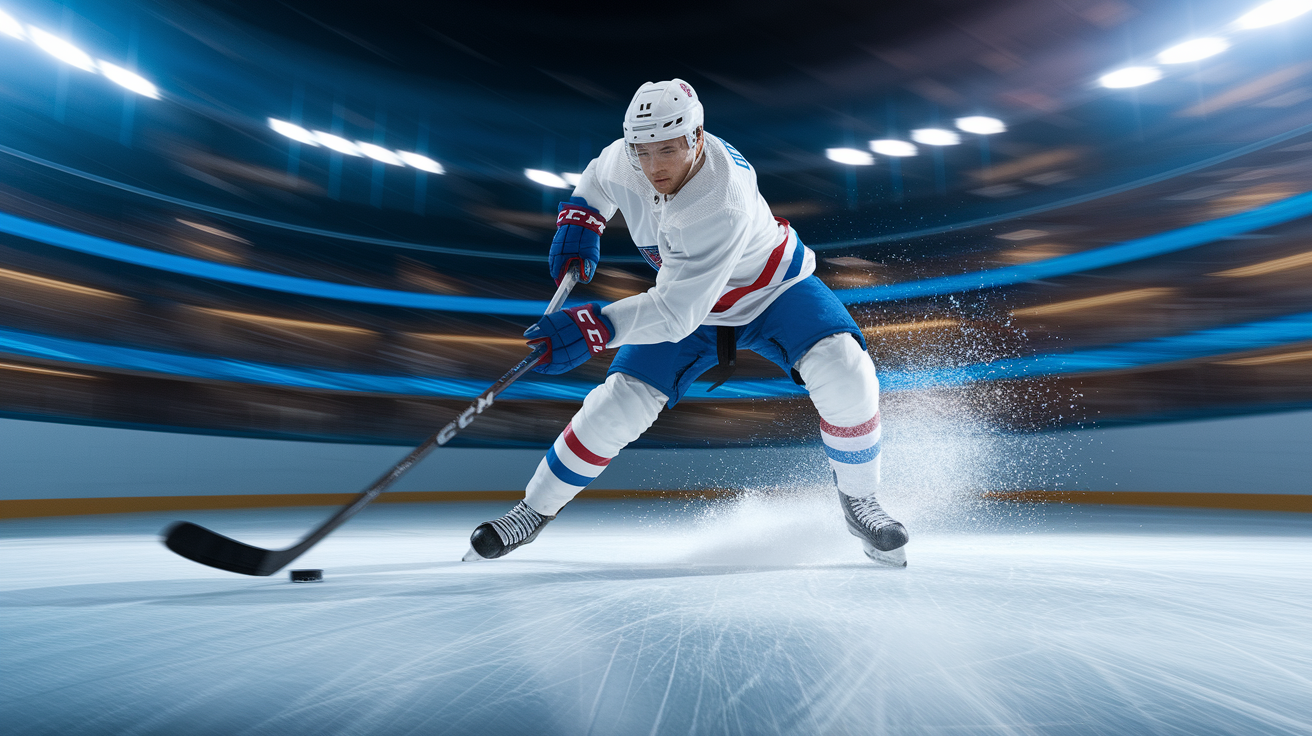
A toe drag pulls the puck from an extended position back toward you using the blade’s toe. You combine it with a weight shift or hip turn. A deke? That’s any decoy action. Head fake, shoulder drop, stick presentation. Anything that makes a defender commit before you change direction.
Both work because they mess with the defender’s read cycle. You extend the puck wide or present it on one side. The defender’s brain processes that info and starts a physical response. By the time their stick or skates commit, you’ve already pulled the puck inside or shifted laterally. A micro-gap just appeared that didn’t exist half a second ago.
In congested zones, separation isn’t measured in feet. Inches and tenths of a second. A defender who reaches for a puck that’s no longer there has opened a 6 to 12 inch passing or shooting lane. Drop one hip to angle you toward the boards? Middle lane’s vacant. Toe drags shrink your puck profile. Instead of carrying it 18 inches away from your body, you pull it tight to your feet and suddenly occupy less lateral space. Defender has to adjust distance and angle. Dekes manipulate weight transfer. Sell a forehand lane hard enough and the defender’s center of mass shifts that direction. Backhand side’s open for a pass or a drive.
Quick stickhandling in tight areas depends on three things. Puck protection through body position, precise blade angle to control the puck’s path, and explosive acceleration the instant you complete the move. Hesitate for a quarter second after a toe drag and the gap closes. Accelerate immediately? You exploit the defender’s recovery time.
The underlying tactical principles:
Puck repositioning narrows the defender’s intercept window. Pulling the puck from a 20 inch reach zone to an 8 inch zone forces them to close distance or give up the lane.
Controlled deception triggers premature commitment. A convincing head fake or shoulder drop makes the defender react to where the puck might go, not where it is.
Weight shift exploitation creates lateral gaps. When a defender plants one foot to angle you, the opposite lane opens for 0.3 to 0.6 seconds.
Blade angle manipulation changes puck direction faster than defenders can pivot. Rotating the blade 90 degrees mid-drag redirects the puck in under 0.2 seconds.
Immediate post-move acceleration converts space into advantage. The separation exists only while the defender recovers. Explosive first strides turn inches into scoring chances.
Detailed Mechanics of Toe Drags and High‑Level Dekes
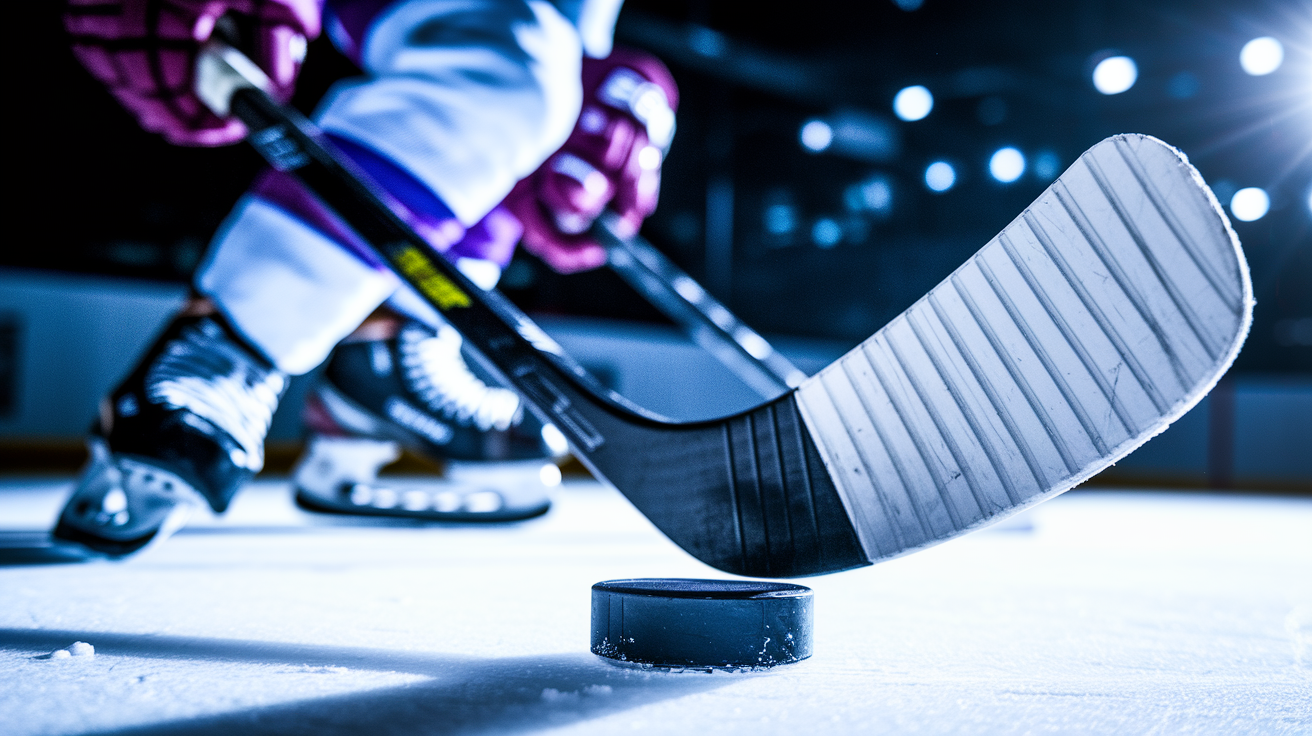
Effective toe drags begin with soft hands and an open blade. Your bottom hand controls blade angle and rotation. Top hand stabilizes the shaft and manages extension. To execute the drag, extend the puck slightly ahead and to one side. Far enough to sell the direction but close enough to maintain control. Roll your bottom wrist to open the blade face toward the puck, then use the toe of the blade to hook and pull the puck back and across your body.
The motion is a smooth arc, not a jab. Load your bottom hand by pressing down slightly on the shaft as you pull. This increases blade pressure on the puck and prevents it from rolling off the toe.
Elite dekes synchronize lower-body fakes with upper-body stillness or vice versa. A classic head fake keeps your feet and stick moving in one direction while your eyes and shoulders sell the opposite. The defender reads your head and upper body first, especially in tight quarters where they can’t see your feet clearly. When the fake lands, their hips and stick follow your head. Opens the lane you actually intend to use.
Edge transitions matter just as much. Shifting from inside edge to outside edge on your lead foot mid-deke changes your skating angle by 15 to 30 degrees instantly. That shift often exceeds the defender’s lateral adjustment speed.
Puck placement outside a defender’s stick lane is the mechanical key to beating active sticks. Defenders extend their sticks to shrink available space. Carry the puck in a predictable line? The stick will intercept it. By using a toe drag to pull the puck inside the arc of the defender’s reach, you’ve moved it into a zone the stick can’t cover without the defender fully rotating their body. That rotation takes time and opens the opposite side.
Here’s a simple three-step toe-drag execution:
1. Extend and sell. Push the puck 12 to 18 inches to one side, hold for 0.2 to 0.4 seconds while reading the defender’s weight shift.
2. Hook and pull. Rotate blade toe under the puck, apply firm downward pressure with bottom hand, and drag the puck in a tight arc back toward your midline or opposite side.
3. Explode. Within 0.1 to 0.3 seconds of completing the pull, take two hard crossover strides or a direct forward push to accelerate into the new lane.
Timing and Reading Defenders in Congested Zones

Timing a toe drag or deke isn’t about counting seconds. It’s about reading foot position, stick angle, and balance. Defenders telegraph their intentions through small physical cues.
Watch the lead foot. If it’s angled toward you and planted, the defender is committed to that line and can’t easily shift laterally. That’s your window. If the defender’s stick is extended and low, they’re hoping to poke or sweep. A quick toe drag pulls the puck above or around that sweeping arc before contact.
Defenders often overextend when reacting late or when closing a gap aggressively. A defenseman skating backward who suddenly pivots forward to challenge has committed their momentum in one direction. A winger angling you toward the boards who reaches across their body with the stick has limited their own lateral mobility. Both scenarios create timing windows of roughly 0.3 to 0.7 seconds. Long enough to pull the puck inside and change direction, but short enough that hesitation kills the opportunity.
Stick length and balance shifts offer additional timing cues. A defender who lunges with their stick fully extended has reduced their ability to recover quickly. Their center of mass is forward, and pulling back requires a full weight transfer. If you see that lunge begin, initiate the toe drag as the stick starts to move, not after it arrives. By the time the stick reaches where the puck was, you’ve already repositioned it.
Key defender cues to watch for:
Lead foot planted and angled. Defender can’t shift direction for 0.4 to 0.6 seconds.
Stick low and sweeping. Toe drag pulls puck up and in, above the sweep path.
Hips squared or over-rotated. Lateral recovery is slow. Opposite lane is open.
Forward weight shift during a poke attempt. Defender’s balance is compromised for 0.3 to 0.5 seconds.
Situational Application: Offensive Zone, Neutral Zone, and Boards
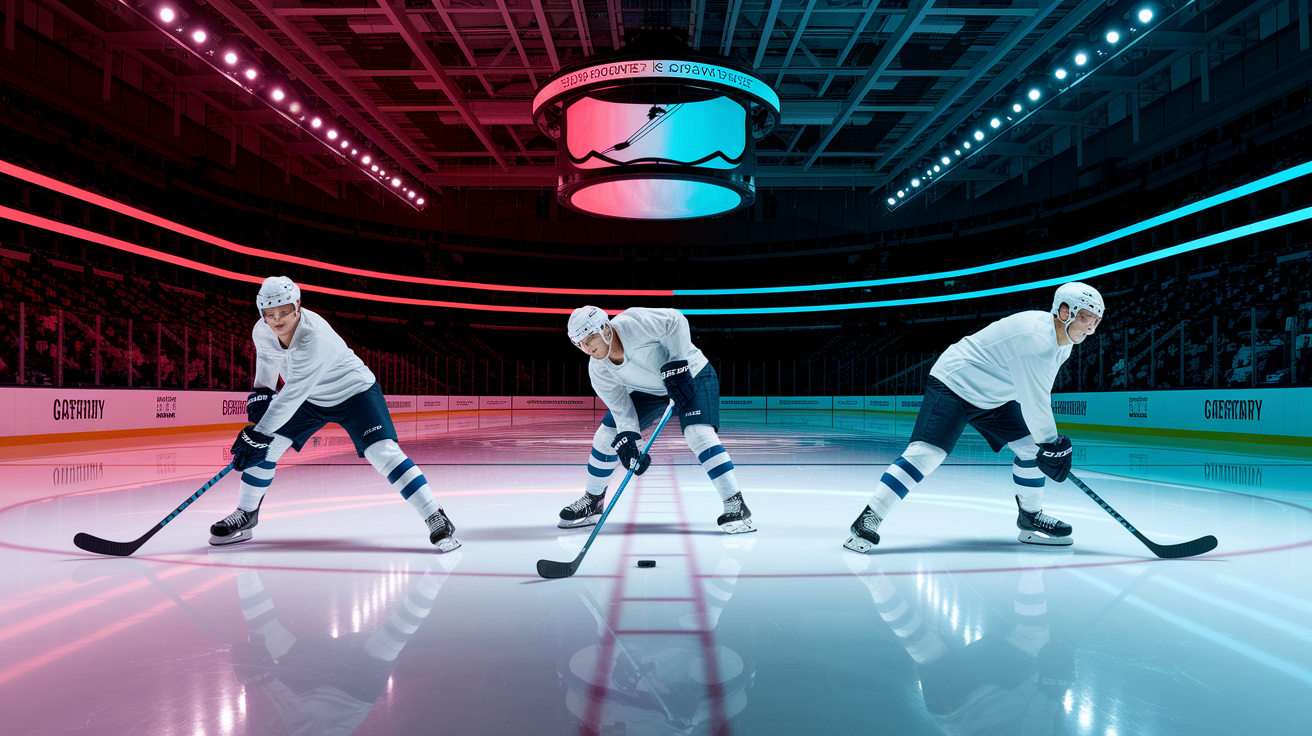
Tight-area plays demand different execution depending on angle of attack and available space. Along the boards, a defender often tries to pin you or angle you into a dead end. Shifting the puck inside using a backhand or forehand toe drag creates an escape route toward the middle of the ice. The board limits the defender’s positioning options. They can’t get around you easily. So pulling the puck off the wall and pivoting opens a passing lane to a trailing forward or a shot lane if you can turn up-ice quickly.
In the offensive zone near the half-wall or below the goal line, defenders typically play tight and front-on to cut off your advance. A well-timed deke, selling an outside move with your head and shoulders while dragging the puck inside, forces the defender to open their hips. Once their hips open, you have access to the slot or a cross-ice pass to a weak-side winger. Speed of execution matters more here than the size of the fake. A small, quick shoulder drop is often more effective than a wide, slow move because the defender has less time to read and recover.
In the neutral zone, defenders usually have more skating speed and less positional constraint. Toe drags work best when you’re approaching at moderate pace and the defender is angling to cut you off. Dragging the puck laterally as they commit creates a passing lane behind them or lets you slip past on the inside. If the defender is chasing from behind, a sudden toe drag and pivot can put them on your back hip, giving you body position and a clearer path to the offensive blue line.
| Situation | Effective Move | Why It Works |
|---|---|---|
| Board battle, defender pinning | Backhand toe drag toward middle | Pulls puck off wall, opens inside lane; defender can’t easily recover from board-side position |
| Offensive zone, front-on pressure | Shoulder fake + inside toe drag | Defender’s hips open to follow fake; puck moves through the gap before hips reset |
| Neutral zone, angling defender | Lateral toe drag + crossover | Defender commits to intercept angle; drag repositions puck and crossover accelerates past |
Pro‑Level Film Breakdown Examples
Watch any NHL zone entry under pressure and you’ll see forwards using toe drags to pull defenders out of lanes. A common sequence: the forward skates toward the blue line at three-quarter speed, extends the puck to the outside as if committed to the wide lane, then drags it back inside just as the defender lunges or angles to cut off the boards. Puck’s now in the middle of the ice, the defender is moving toward the wall, and the forward has a clean entry or a pass to a trailing center. The entire move takes under one second, but it turns a contested blue line into a controlled offensive possession.
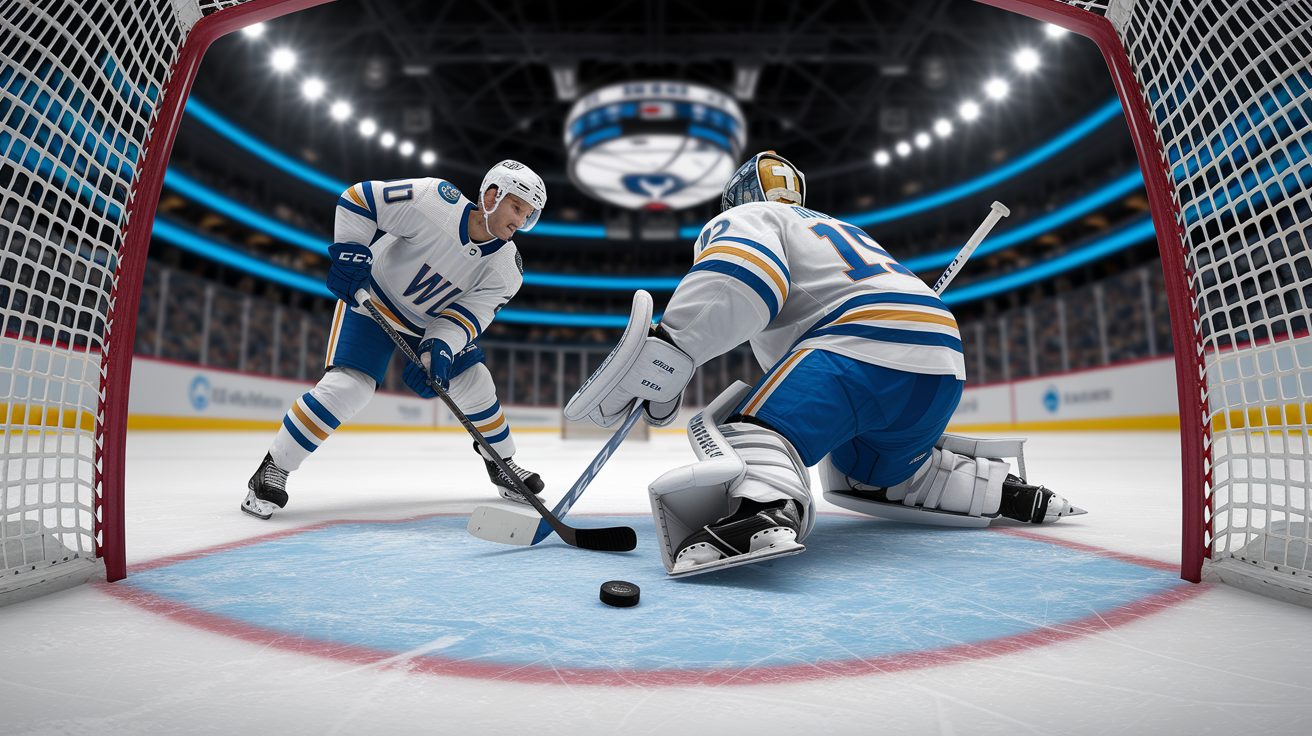
Net-drive dekes show up frequently in tight-area scrambles. A forward battling in front of the crease will sell a backhand attempt to one side, drawing the goalie’s pad and stick that direction, then quickly pull the puck to the forehand and tuck it short side. The key is minimal puck movement paired with exaggerated body language. The goalie reads the shooter’s shoulders and stick angle, commits, and the puck goes the other way. These plays rely on deception more than speed. Selling the fake convincingly matters more than how fast you execute the finish.
Behind-the-net escapes are another high-frequency application. A forward carrying the puck behind the goal line with a defender in pursuit will use a quick toe drag and pivot to change direction, forcing the defender to stop, turn, and re-engage. That half second of separation is enough to hit a trailing forward in the slot or wrap the puck around for a centering pass. The tight space behind the net limits the defender’s skating options, so any sudden change in puck direction creates a gap.
Situational takeaways from pro-level sequences:
Zone entries under pressure succeed when the toe drag happens at the blue line, not before. Defenders commit to gap control right at the line, making that the ideal timing window.
Net-front dekes work because goalies react to stick and shoulder positioning faster than puck movement. Sell the direction with your body, move the puck late.
Behind-the-net escapes rely on sharp pivots and immediate acceleration. The drag creates the gap, but only a hard first stride converts it into usable space.
Drills to Master Toe Drags and Deception in Crowded Areas
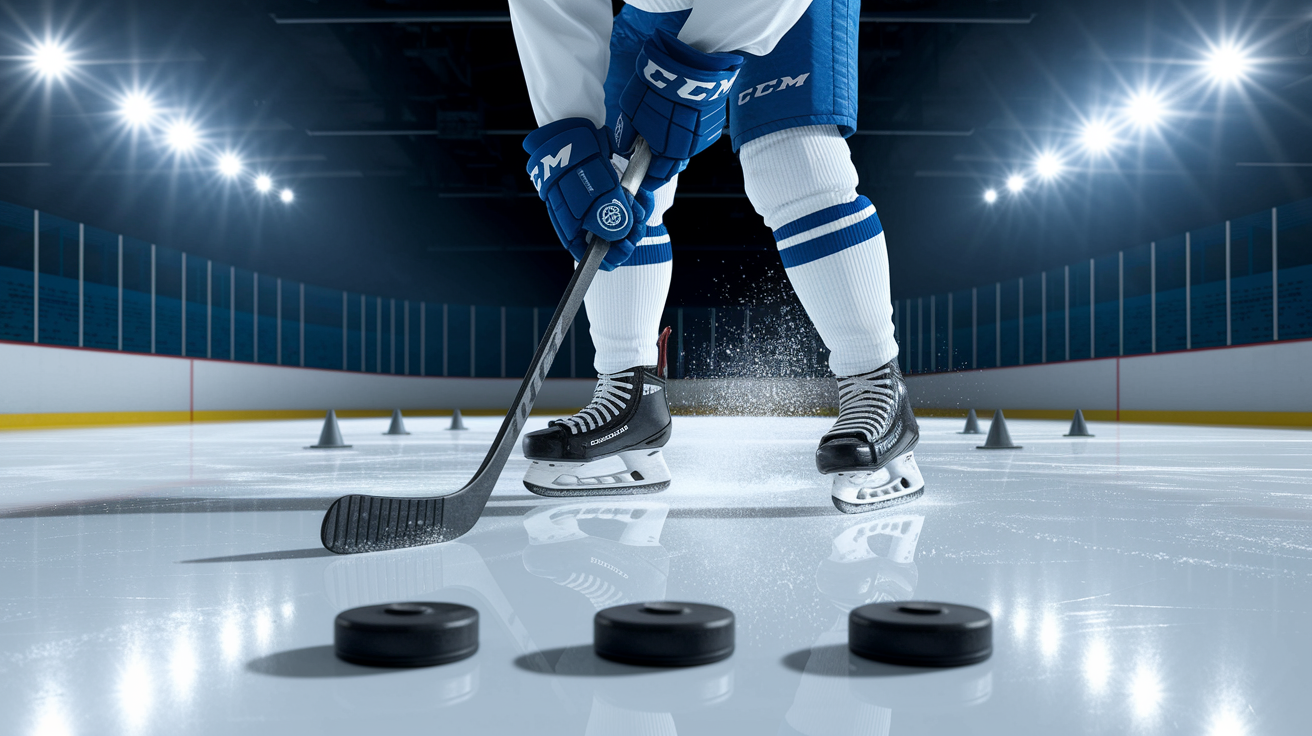
Start with stationary toe-drag reps to isolate blade control and hand mechanics. Set up in one spot with a pile of pucks. Execute 20 forehand toe drags, pulling the puck from full extension back to your midline, focusing on smooth blade rotation and controlled pressure. Then do 20 backhand drags. The goal is consistent puck contact and a tight pull arc every time. Once you can do 40 reps without the puck rolling off the blade, add a single crossover step immediately after each drag to simulate the acceleration phase.
Triangle-defender cone drills teach timing and angle recognition. Place three cones in a triangle, each cone four feet apart. Skate toward the first cone at half speed, execute a toe drag two feet before reaching it, then accelerate past on the inside. Reset and repeat for the second and third cones, alternating forehand and backhand drags. Run three sets of 10 reps. The cones represent defenders, and the drill forces you to time the drag based on distance rather than just feel.
Rapid-reaction drills build decision speed. Have a coach or teammate stand five feet away holding a stick horizontally at knee height. Skate toward them at three-quarter speed. When they move the stick left or right, you immediately execute a toe drag in the opposite direction and accelerate past. Do 15 reps, rest 60 seconds, repeat for three sets. This drill trains you to read a defender’s commitment and react within a quarter second.
Board-pressure escape exercises simulate real game situations. Start along the boards with a puck, a defender applying light pressure from behind or the side. Your job is to use a toe drag to pull the puck off the wall, pivot, and either pass to a stationary target in the slot or skate toward the middle. Do 12 reps per side, focusing on tight puck control and immediate separation after the drag.
Small-area two-on-two games in a confined zone force repeated use of toe drags and dekes under live pressure. Mark off a 20-by-20 foot area in one corner of the rink. Play two-on-two keep-away or small-net scoring games for 90 second shifts. The tight space and active defense require constant puck manipulation. Track how many successful drags or dekes you execute per shift. Aim for at least three clean moves that create a pass or shot opportunity.
Five essential drills to build tight-area skill:
1. Stationary toe-drag reps. 40 total drags (20 forehand, 20 backhand) focusing on blade control and smooth arcs. Add single crossover after each drag once mechanics are clean.
2. Triangle cone drill. Skate toward each of three cones spaced 4 feet apart, execute toe drag 2 feet before contact, accelerate inside. 3 sets of 10 reps alternating sides.
3. Rapid-reaction partner drill. Partner signals left or right with stick, execute opposite-direction toe drag and accelerate past. 15 reps, 3 sets, 60 second rest between sets.
4. Board-pressure escape. Start on boards with defender applying light pressure, toe drag off wall, pivot, pass or skate middle. 12 reps per side.
5. Small-area two-on-two. Play keep-away or small-net games in 20×20 ft zone for 90 second shifts. Track successful drags/dekes per shift, target minimum 3 per shift.
Common Mistakes and How to Fix Them
Telegraphing moves with upper-body windup is the most common error. Players load their shoulders or lean hard before executing a deke, giving defenders an extra half second to read the play. The fix is simple. Keep your upper body quiet and let your hands and blade do the work. Film yourself executing 10 toe drags in a row. If you see your shoulders or head moving before the puck does, reset and practice again with minimal upper-body motion. The puck should move first, then your body follows.
Dragging the puck too far back reduces control and slows your next move. Some players pull the puck all the way behind their back foot, which takes the puck out of shooting or passing position and gives defenders time to recover. Instead, drag the puck only as far as your midline or slightly past. The goal is to reposition the puck just enough to clear the defender’s stick, not to hide it completely. Practice short, quick drags, 6 to 10 inches of puck travel, and you’ll find your release and acceleration improve immediately.
Slow release timing after a deke kills the advantage you just created. You beat the defender with a great move, then pause to admire it or gather the puck before shooting or passing. That pause lets the defender recover or lets help arrive. The fix is to build acceleration directly into your drill work. Every toe drag or deke in practice should end with two hard strides or an immediate shot. Make it automatic so that in games, the move and the finish happen as one continuous action.
Four mistakes and their fixes:
Telegraphing with upper body. Shoulders or head move before puck. Fix by keeping torso still and letting hands/blade initiate the move. Film 10 reps to check.
Dragging puck too far back. Puck travels 18+ inches and goes behind back foot. Fix by limiting drag to 6–10 inches, keeping puck at or near midline.
Slow release after the move. Hesitation of 0.5+ seconds between completing drag and next action. Fix by drilling immediate acceleration or shot after every rep.
Poor posture and high center of mass. Standing too upright during the move reduces balance and power. Fix by staying low, knees bent, weight on balls of feet throughout the sequence.
Final Words
In the action, we showed how toe drags and dekes make defenders reach, shift weight, and open micro-gaps through blade control, timing, and body deception.
Practice the mechanics, timing cues, and the drills here, like stationary toe-drags, cone work and board escapes, and study the pro examples to see the moves in real sequences.
Use these progressions to build muscle memory so you can reliably find space: how toe drags and dekes create space in tight defensive zones. Keep grinding. The small moves win tight battles.
FAQ
Q: Why is number 69 banned in basketball?
A: The number 69 is banned in basketball because most leagues limit jersey digits to 0–5 so officials can signal fouls with one hand; digits like 6 and 9 would break that hand-sign system.
Q: What’s the hardest NBA position to defend?
A: The hardest NBA position to defend is often a versatile wing or combo guard who can shoot, create off the dribble, and switch defensively, forcing mismatches and demanding multiple defensive skills.
Q: How to create space when dribbling?
A: Creating space when dribbling starts with a change of pace and shoulder fakes, protecting the ball with your body, using jab steps or step-backs, then exploding once the defender bites.
Q: What are the 5 D’s of basketball?
A: The 5 D’s of basketball are commonly taught as deny, discourage, disrupt, delay, and deflect — defensive goals that focus on preventing easy catches, shots, and clean penetration.