

Can a single interview question hurt a 12-year-old as badly as a hard hit?
Too many interviews treat young players like mini-adults, and that risks their safety, trust, and the story itself.
This guide lays out rink-ready ethical rules for interviewing minor hockey players: protect safety first, get clear parental consent and child assent, use age-appropriate, trauma-informed techniques, and follow mandatory reporting.
Do this and you’ll keep kids safe, get clearer quotes, and avoid real legal and reputational trouble.
Core Ethical Standards for Interviewing Minor Hockey Players

Every interview with a minor hockey player starts with one rule: do no harm. Kids are kids. Doesn’t matter if they’re the leading scorer or sitting fourth line. Their safety comes first, physical and psychological. Before you approach a young athlete, think through the real risks. Timing after something traumatic. The topic itself. The setting. Could this embarrass them? Pressure them? Make things worse? If you can’t do it with care and the right safeguards, don’t do it.
Be transparent. Tell the kid and their parent exactly why you want to talk, what you’re going to ask, how you’ll use it, and that they can say no. Don’t persuade. Don’t pressure. Don’t use your position as leverage. Kids want to please coaches, parents, adults in charge. That’s not consent. The minor needs to know they can stop whenever, skip questions, or ask you to keep something off the record. If they say no, you’re done.
You’ve got to follow established child protection frameworks. In the U.S., that’s the U.S. Center for SafeSport and whatever state mandatory reporting laws apply. In Canada, look at Hockey Canada’s harassment and abuse policies, provincial child protection statutes, Respect in Sport requirements. These set the floor. Background checks, two adult supervision, mandatory reporting triggers, environment controls. Ignore them and you’re exposing yourself and your organization to legal and reputational trouble.
Principles you can’t skip:
- The child’s safety, dignity, and emotional wellbeing beat any story or research goal.
- Get informed consent from parents or legal guardians. Get assent from the minor in language they actually understand.
- Use trauma informed techniques. No leading questions. Allow breaks. Respect that memory doesn’t always come out clean and linear.
- Interview in safe, visible, supervised spaces. Never alone in locker rooms or isolated areas.
- If a child tells you about abuse, self harm, or immediate danger, stop everything and report to the right authorities.
Consent Procedures for Hockey Interviews with Minors
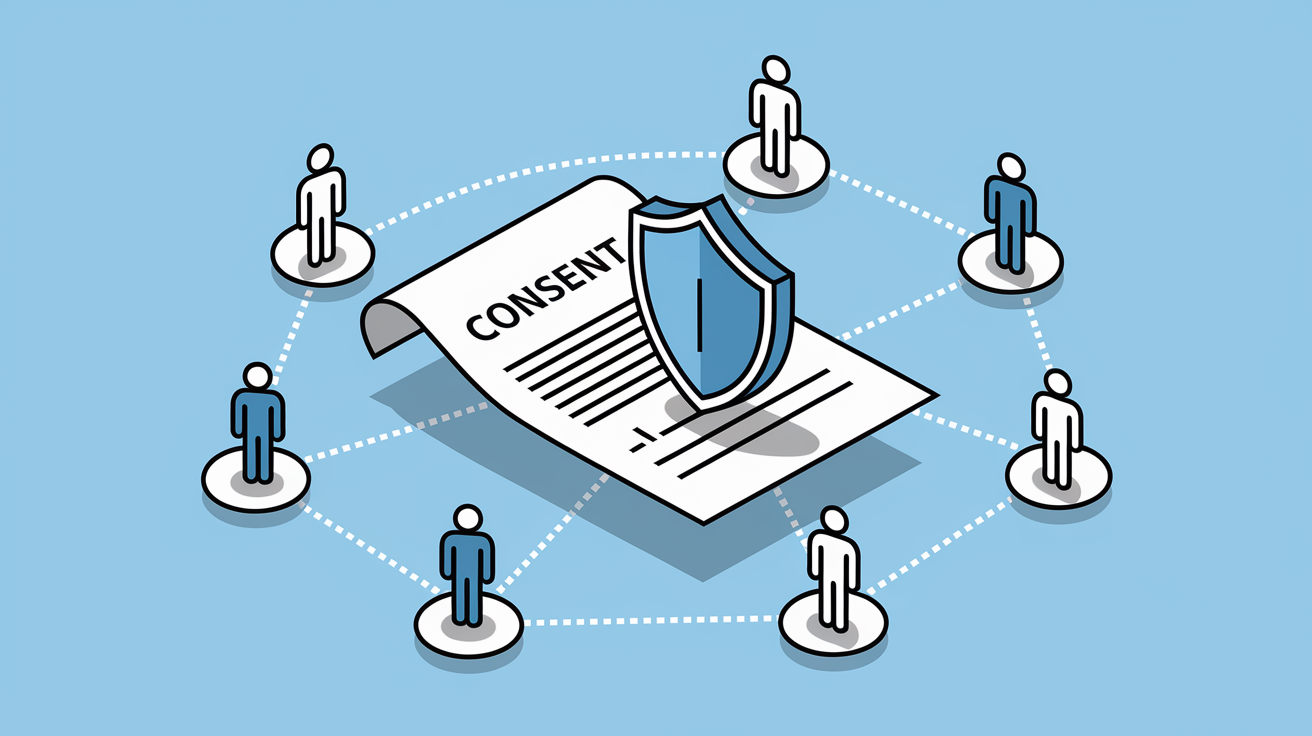
Legal consent depends on age, where you are, and what you’re asking about. For elementary aged kids, typically 12 and under, always get written parental or legal guardian permission before you talk. Middle school players around 13 sit in a gray area. Lots of reporters and researchers ask for parental permission until about 13. Some will go ahead without it for routine, non sensitive school or team access. Use judgment. High school teens, roughly 14 to 18, generally don’t need parental permission for routine, non sensitive stuff like postgame quotes or season previews. But you still have to ask the player if they want to participate.
Know the difference between parents, legal guardians, and other caregivers. Only a legal guardian or custodial parent can give binding consent. Foster parents, stepparents without legal custody, grandparents, coaches, team officials can’t authorize unless they’ve got documented legal guardianship. If you’re not sure, ask to see custody or guardianship paperwork. Or get written confirmation from the family’s attorney. In shared custody situations, verify which parent has decision making authority for media stuff. When in doubt, get consent from both custodial parents.
Some topics always need extra safeguards and written parental consent, no matter the player’s age. Sexual activity. Abuse allegations. Drug or alcohol use. Self harm. Severe injury. Violence. Any traumatic event. For those interviews, set up a private, formal setting with a parent, counselor, or other support person there. Think about declining to interview right after a crisis. Wait until the minor and family have had time to process. Written consent should spell out the scope, whether you’re recording, how the material gets used, and any restrictions the family wants.
| Age Range | Consent Requirement | Notes |
|---|---|---|
| Under 12 | Written parental/guardian consent required | Always ask the child if they want to participate. Child can decline even if parent approves. |
| 12–13 | Gray area; parental consent recommended | Most pros seek parental permission. Routine, non sensitive topics may go ahead with school/team access and child assent. |
| 14–15 | Parental consent for sensitive topics; child assent for routine coverage | High school age. Parental permission not usually needed for non sensitive postgame or team stuff, but still confirm kid’s willingness. |
| 16–17 | Child assent generally enough for routine topics; parental consent for sensitive issues | Treat as older teens but stay cautious with trauma, abuse, legal matters, or high stakes topics. |
Age Appropriate Interview Techniques for Youth Hockey Players

Young hockey players don’t process or express like adults. Match your language, pacing, and expectations to where the child actually is developmentally. For younger kids, use simple, concrete words. Skip the jargon unless you explain it right away in plain language. Instead of “How did you manage gap control in the neutral zone?” try “How close did you stay to the player with the puck when they skated up the ice?” Kneel or sit at the kid’s eye level instead of standing over them. It reduces intimidation. Shows respect. Speak calm and steady. Give them time to think before answering.
Don’t ask leading questions. Don’t put words in their mouth. Instead of “Did the coach yell at you after the penalty?” ask “What happened after the penalty?” Let the child describe it their way. Accept that young players might tell a story out of order, repeat themselves, include stuff that seems random. Don’t interrupt or correct during the interview. If you need clarity, wait until they’re done and ask a neutral follow up. Never challenge a child’s account in the moment, even if it doesn’t match what adults told you. Corroborate facts later through other sources, records, witnesses.
Interview Length and Cognitive Considerations
Attention span and stamina change with age. For players ages 6 to 9, keep it to 5 to 10 minutes. They tire fast. Lose focus. Get anxious if questioned too long. Players ages 10 to 12 can usually handle 10 to 15 minutes. Teens ages 13 to 17 can go 15 to 30 minutes, but watch for signs of fatigue, distraction, discomfort. Offer breaks during longer interviews, especially if the kid seems restless or stressed. A quick pause for water, bathroom, or stepping outside can reset things. Schedule when the child’s alert. Not right after a tough loss, a fight, or someone getting hurt on the ice.
Trauma Informed Interviewing in Hockey Contexts

Trauma informed interviewing assumes a child might be vulnerable, even if they look fine. Don’t question immediately after violent incidents, abuse allegations, serious injuries, or other crises. Pushing for an interview in the hours or days after a traumatic event can make things worse and mess with the kid’s emotional recovery. When you need to do the interview, create conditions that put safety and choice first. Let the child have a parent, counselor, or trusted adult there if it helps. Let them choose where to sit, whether to look you in the eye, when to pause. Never force disclosure. Don’t press for graphic details.
Use open ended, neutral prompts that let the child control the story. Ask “What did you see?” instead of “Did you see the hit that injured your teammate?” Skip why questions. They feel accusatory to a young person. Instead of “Why didn’t you tell the coach?” ask “What happened next?” If the child volunteers info about abuse, self harm, bullying, or immediate danger, stop the interview. Your first job is to follow mandatory reporting procedures. Contact the right child protection authorities, SafeSport officials, or team safeguarding officers. Don’t try to investigate yourself. Refer the child and family to trained professionals and document the disclosure right away.
Practical adjustments:
- Do interviews in quiet, well lit, neutral spaces where the child feels safe and not trapped.
- Explain at the start that the child can stop, take a break, or skip questions anytime without consequence.
- Watch for nonverbal distress. Fidgeting, withdrawn posture, avoiding eye contact. Pause or end if the child seems overwhelmed.
- Accept incomplete or messy answers. Don’t challenge inconsistencies during the interview.
- Document who was there, what safeguards were in place, and any disclosures that triggered mandatory reporting.
Safe Interview Environments in Youth Hockey Settings

Never do an interview with a minor hockey player alone in a locker room, equipment storage area, or any isolated space. Locker rooms are off limits for one on one interviews. Period. Pick a quiet, semi private location where the interview can be observed but not overheard. Team meeting rooms with windows, press areas with open doors, corner seating in a public rink lobby. Better options. The two adult rule is standard in SafeSport compliant organizations. Make sure at least one other responsible adult, a parent, team official, or second interviewer, is present and visible the whole time.
Schedule interviews at appropriate times. Not right after games, fights, or discipline. Players who are still charged up, exhausted, or upset aren’t in the right state for thoughtful, voluntary responses. Morning or early afternoon interviews, scheduled ahead and confirmed with parents, work better than impromptu postgame hallway chats. If you’re recording or doing it for broadcast, confirm explicit parental consent and team or league approval before you start.
Document who attended, the setting, and any restrictions the family requested. If a parent asks that certain topics stay off limits or that you not use the kid’s last name, honor it and note it. Keep a log. Date, time, location, adults present, whether you recorded, any follow up actions needed. This audit trail protects both the child and you if questions come up later about consent, environment, procedure.
Privacy, Confidentiality, and Data Protection for Minor Interview Materials

Children have a legal and ethical right to privacy, even when they agree to interviews. Federal laws like the Children’s Online Privacy Protection Act (COPPA) in the U.S. restrict collecting personal info from kids under 13, especially online. Provincial and state privacy laws add more duties on how you collect, store, and share data about minors. Before you publish or distribute interview material, verify you’ve got documented parental consent for the specific use. If a family asks for anonymity or pseudonyms, honor it unless there’s a compelling public interest reason not to. Even then, consult legal and editorial leadership.
Store consent forms, recordings, interview notes, and any materials with identifying info in secure, restricted systems. Digital files should be encrypted. Physical docs locked in filing cabinets with limited key access. Follow your organization’s data retention policy and local legal requirements for how long to keep interview records. In many places, records involving minors must be kept for a minimum period to satisfy potential legal or investigative needs, but shouldn’t be kept forever. When retention periods expire, securely delete or shred materials with personal data.
Critical duties:
- Get separate, explicit consent for audio or video recording, transcription, and any use beyond the original stated purpose.
- Limit access to interview materials to authorized people only. Don’t share recordings or notes with coaches, team staff, or other families without written permission.
- Anonymize or use pseudonyms when requested or when publishing could expose the child to harm, harassment, or unwanted attention.
- Securely dispose of materials at the end of the legally required retention period. Document the disposal date and method.
Recording Interviews: Audio, Video, and Media Use Standards
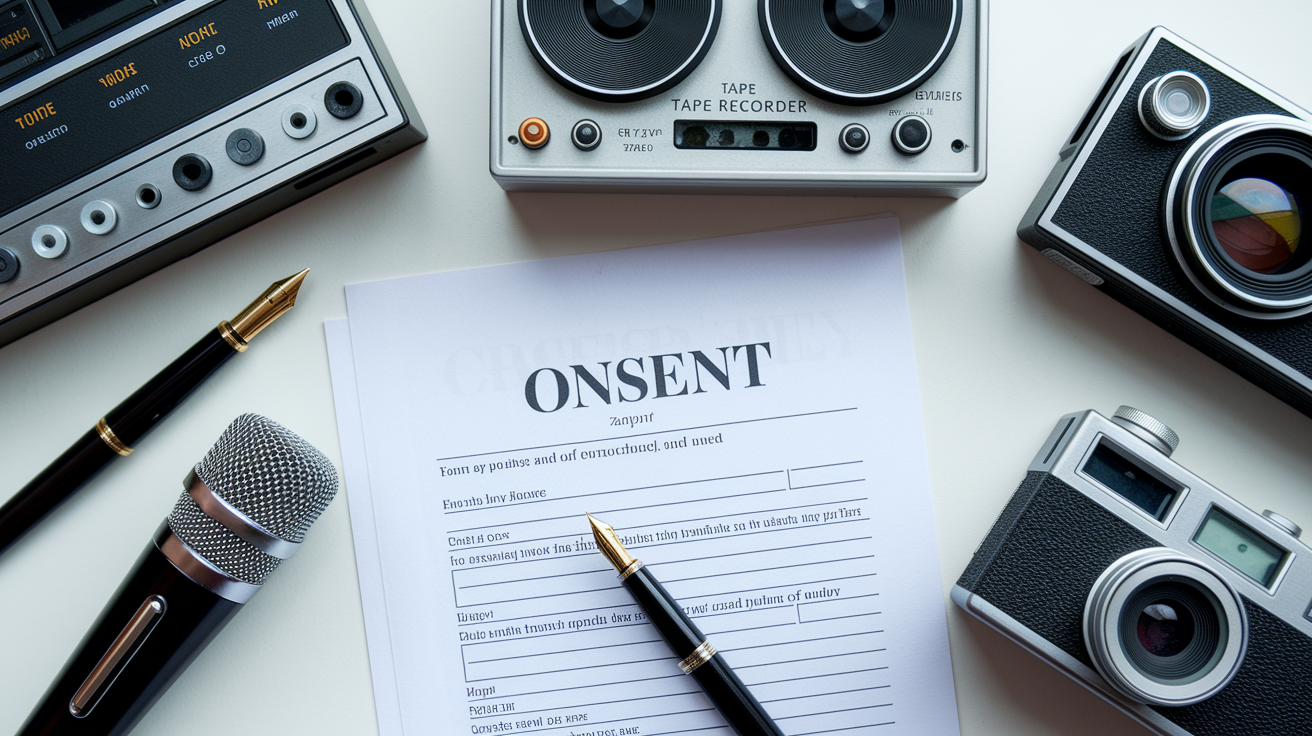
Recording an interview with a minor needs explicit, informed consent from both the parent or legal guardian and, when age appropriate, the child. Verbal consent doesn’t cut it. Get written permission that says what type of recording (audio, video, or both), how the material will be stored, who gets access, and how it’ll be edited or shared. Explain to the family that recordings might be used in published articles, broadcast segments, social media posts, or research reports. Confirm they understand and agree to each use.
Minors need to know that recorded interviews can become public and permanent. A teenager might not fully get that a video clip posted to social media can be shared, commented on, and archived forever. Walk through the potential consequences with both the child and the parent. If the kid seems uncertain, uncomfortable, or pressured to agree, don’t record. Live or recorded broadcasts, especially those on social platforms or websites accessible to children under 13, trigger extra COPPA and privacy stuff. Document the child’s and parent’s informed consent for online publication separately from general interview consent.
Parents can request limits on how recordings get used. Common requests include no social media posting, no last name or school included, no distribution beyond a specific outlet. Honor these and note them in the signed consent form. If you need to revisit permissions later for a different use, contact the family again and get updated written consent. Treat every recording as a controlled asset with clear usage terms. Make sure your media team, legal department, and editorial staff all have access to the consent documentation.
Legal and Organizational Governance for Interviewing Minor Hockey Players

Interviewing minor hockey players means complying with multiple overlapping legal and organizational frameworks. In the U.S., the U.S. Center for SafeSport sets national standards for child protection in amateur sport. Mandatory reporting of abuse. Background check requirements for adults with access to minors. Environment controls like the two adult rule. State laws add mandatory reporting timelines and specify who’s a mandated reporter. In Canada, Hockey Canada’s harassment and abuse policies, provincial child protection statutes, and Respect in Sport training programs set parallel requirements. Confirm the specific rules in your jurisdiction and sport organization before you do any interview.
Team and league media policies often have their own access and consent rules. Some organizations require all interviewers to complete background checks and SafeSport or Respect in Sport training before talking with players. Others mandate that a team official or parent be there during all media interactions. School districts with affiliated hockey programs might have extra release forms signed at the start of the year that cover school media but don’t extend to independent journalists or researchers. Contact the district communications office, team media liaison, or league administrator to clarify which policies apply and what documentation you need. Building trust with parents, teachers, and administrators makes access smoother and keeps you from violating rules that could lock you out of future interviews.
Mandatory Reporting Triggers
If a child discloses abuse, self harm, ongoing bullying, harassment, or any situation that’s an immediate danger, pause the interview and follow mandatory reporting procedures. In most places, adults in positions of authority or care, including coaches, journalists covering youth sport, and researchers, are mandated reporters. Contact the appropriate child protection hotline, local law enforcement, or SafeSport intake line right away. Don’t try to investigate the allegation yourself or question the child more about details. Document the disclosure, the time it happened, who was there, and the steps you took to report. Tell the child’s parent or guardian unless doing so would put the child at greater risk. Follow up with your organization’s legal and safeguarding officers to confirm the report was filed correctly and all required follow up actions are done.
Interview Documentation, Consent Tracking, and Recordkeeping

Every interview with a minor hockey player needs to be documented from initial contact through final publication or use. Keep a log with the date and time of the interview, names of all adults present, the location, whether recording happened, and what permissions were obtained. This log is your audit trail if questions come up later about consent, procedure, or quote accuracy. Store it alongside signed consent forms, parental permission slips, and any written restrictions the family requested.
Consent documentation should be separate and explicit. Use a standard consent form that lists the interviewer’s name and affiliation, the purpose of the interview, the intended use of the material, and whether recording will occur. Both the parent or legal guardian and, when appropriate, the child should sign and date the form. If the family requested anonymity, limits on certain topics, or restrictions on social media use, note those conditions directly on the consent form. Keep the original in a secure file and give a copy to the family for their records.
| Record Type | Required Retention | Access Level |
|---|---|---|
| Signed parental consent forms | Minimum of 3 years; longer if required by local law or litigation risk | Restricted to authorized personnel; stored in locked or encrypted system |
| Interview recordings and transcripts | Follow organizational policy; typically 1–3 years after publication or final use | Restricted access; securely deleted or anonymized after retention period |
| Interview logs and incident reports | Permanent organizational record; may be required for audits or investigations | Restricted to legal, editorial, and safeguarding officers |
Question Design, Boundaries, and Avoiding Coercion

Design questions that let the child tell their own story without steering them toward a predetermined answer. Open ended prompts work best. Ask “What happened during that shift?” instead of “Did the coach yell at you after you missed the pass?” Yes or no questions and multi part questions confuse younger kids and produce unreliable answers. Avoid hypotheticals or abstract reasoning with players under 12. Concrete, present tense questions about what they saw, heard, or felt are easier to answer and more likely to get you accurate info.
Some topics fall outside the scope of a standard interview and need referral to trained pros. Medical questions about injury severity, treatment, or long term prognosis should go to doctors or athletic trainers with parental consent. Legal questions about pending investigations, criminal charges, or custody disputes should go to attorneys. Questions about sexual behavior, mental health crises, or abuse allegations need specialized child forensic interviewers. If a child starts to disclose sensitive info in one of these areas, listen respectfully, don’t interrupt, then refer the family to the right resource. Don’t probe for details that could retraumatize the child or mess with an official investigation.
Voluntary participation isn’t truly voluntary if the child feels pressured by an authority figure. Coaches, parents, team officials, even well meaning journalists can accidentally coerce a young player into participating. Make it clear to the child and the adults there that saying no has no consequence. Don’t schedule interviews right before or after tryouts, team selections, or disciplinary meetings, when the child might fear that refusing will hurt their standing. If a child seems reluctant, nervous, or keeps looking to a parent or coach for approval before answering, pause the interview and ask the child privately if they want to continue. Respect their answer.
Equity, Representation, and Fair Access in Youth Hockey Interviews
Who gets interviewed matters. If you’re consistently featuring players from affluent, majority white teams and overlooking talent and stories from underrepresented communities, you’re perpetuating systemic bias. Be intentional about which players, families, and programs you approach. Make sure your interview list reflects the demographic and geographic diversity of youth hockey in your region. Pay attention to which voices get amplified and which get ignored, especially when covering trauma, activism, or community issues.
Cultural sensitivity and respect for identity are essential. Some families might have cultural or religious norms about privacy, mixed gender interactions, or public visibility that affect their willingness to participate. Ask about preferences and adapt. Use correct names, pronouns, and identifiers. Don’t tokenize. Don’t interview a player from a marginalized group just to check a diversity box or to contrast their experience with a majority narrative. Treat every child as an individual with a unique hockey story, not as a representative of their entire race, ethnicity, or socioeconomic background.
Practices that matter:
- Review your interview history every quarter to spot patterns of over or under representation by race, gender, geography, or income level.
- Build relationships with community hockey programs, rec leagues, and underserved teams, not just elite travel clubs.
- Offer anonymity or pseudonyms to protect vulnerable youth. LGBTQ+ players, immigrant families, children in unstable housing.
- Challenge your own assumptions about which stories are “newsworthy” and recognize that talent, leadership, and resilience exist across all demographics.
Final Words
When you’re talking to a player after a game, treat the moment like a safety check. This post ran through the must-haves: do-no-harm principles, consent steps, age-appropriate techniques, trauma-informed practice, safe settings, privacy and recording rules, governance and documentation, question design, and equity.
These steps protect kids, keep interviews useful, and reduce legal risk.
Use these ethical guidelines for conducting interviews with minor hockey players as a short checklist before every interview, do it right, build trust, and get better, cleaner reporting.
FAQ
Q: What is rule 11.4 in hockey?
A: Rule 11.4 in hockey is a league-specific clause; its exact meaning depends on the rulebook you’re using. Section 11 often covers penalties—check the NHL, IIHF, or your local league for the precise text.
Q: What is the code of conduct for hockey players?
A: The code of conduct for hockey players sets expected behavior: respect, safety, sportsmanship, and following team and league rules, including SafeSport requirements. Violations can lead to discipline or removal from play.
Q: What are the 4 C’s of coaching hockey?
A: The 4 C’s of coaching hockey are commonly character, competence, communication, and commitment—focus areas coaches use to develop players’ skill, decision-making, teamwork, and consistent effort.
Q: What is the unwritten rule in hockey?
A: The unwritten rule in hockey refers to informal codes—respect opponents, don’t showboat, and settle issues on ice. These vary by level; coaches and teams set expectations, so know your rink’s culture.