

Want a glove that keeps your hands safe without killing your stick feel?
Most players get stuck choosing protection or puck control.
Modern gloves try to split the difference with dual-density foam, segmented fingers, and thin, tactile palms.
This guide names the best options that actually let you feel tape on the stick while absorbing slashes and shots.
Read on for the models that fit different roles, what protection they use, and the simple fit checks to make sure you don’t trade feel for armor.
Best Hockey Gloves for Puck Handling and Protection (Top Picks)

Finding a glove that protects your hands from slashes and pucks while still letting you feel the tape through your palms is probably the biggest call most players make at the pro shop. Modern designs fix that problem by stacking high-density foams over articulated finger zones and pairing them with thin, tactile palms. You end up with a glove that absorbs a cross-check to the knuckles but still lets you feel a saucer pass land on your blade.
The best gloves share a few core traits: dual-density foam that hardens on impact, three-piece segmented fingers that flex naturally when you roll your wrists, and pro-level palm materials like Nash, Sensalast, or Ax Suede that grip without adding bulk. Bauer Vapor, CCM Jetspeed, and Warrior Covert lines consistently deliver that balance because they prioritize articulation in the backhand, minimize stitching inside the palm, and use cuff designs that protect your wrists without locking them in place.
When you’re comparing models, pay attention to how the glove moves when you simulate a toe drag or a backhand saucer. If the cuff binds or the fingers feel like mittens, that model trades too much feel for padding. The six picks below represent the current best options across fit types, protection levels, and price ranges.
Top 6 Glove Models for 2026:
Bauer Vapor FlyLite — Tapered fit with SHOCKLITE backhand plates and DURACONNEKT palm delivers elite stick feel at 265 grams, one of the lightest builds Bauer’s released.
Bauer Supreme Mach — Anatomical fit with AMP cuff and Poron XRD foam gives you maximum hand-to-stick contact and premium shot-blocking protection for power forwards.
CCM Jetspeed FT8 Pro — Jetspeed tapered profile with AER-TEC thermoregulation and Sensalast Pro palm is built for stickhandlers who need zero lag between hand movement and blade response.
CCM Tacks XF Pro — Anatomical Shield Design with integrated D3O Zero backhand plate and high-density PE inserts protects net-front players without sacrificing wrist mobility thanks to the Max Flex cuff.
Warrior Covert QR6 Pro — Covert Taper fit with AXYFlex thumb and Tri-Lam foams offers excellent fingertip dexterity for quick-release shooters and tight-space stickhandlers.
Warrior Alpha LX3 Pro — Hybrid Taper with Pro Cuff slash protection and Space Shield 2.0 multi-layer foam balances board-battle durability with enough palm sensitivity for tape-to-tape passes.
If you play a high-touch game and rarely block shots, lean toward the Vapor FlyLite or Jetspeed FT8 Pro for maximum responsiveness. If you’re in traffic every shift or kill penalties regularly, the Tacks XF Pro or Alpha LX3 Pro add meaningful protection without turning your hands into clubs. Youth and junior players should look at the Covert QR6 Pro for a similar philosophy in smaller sizing.
In-Depth Reviews of the Top Hockey Glove Models
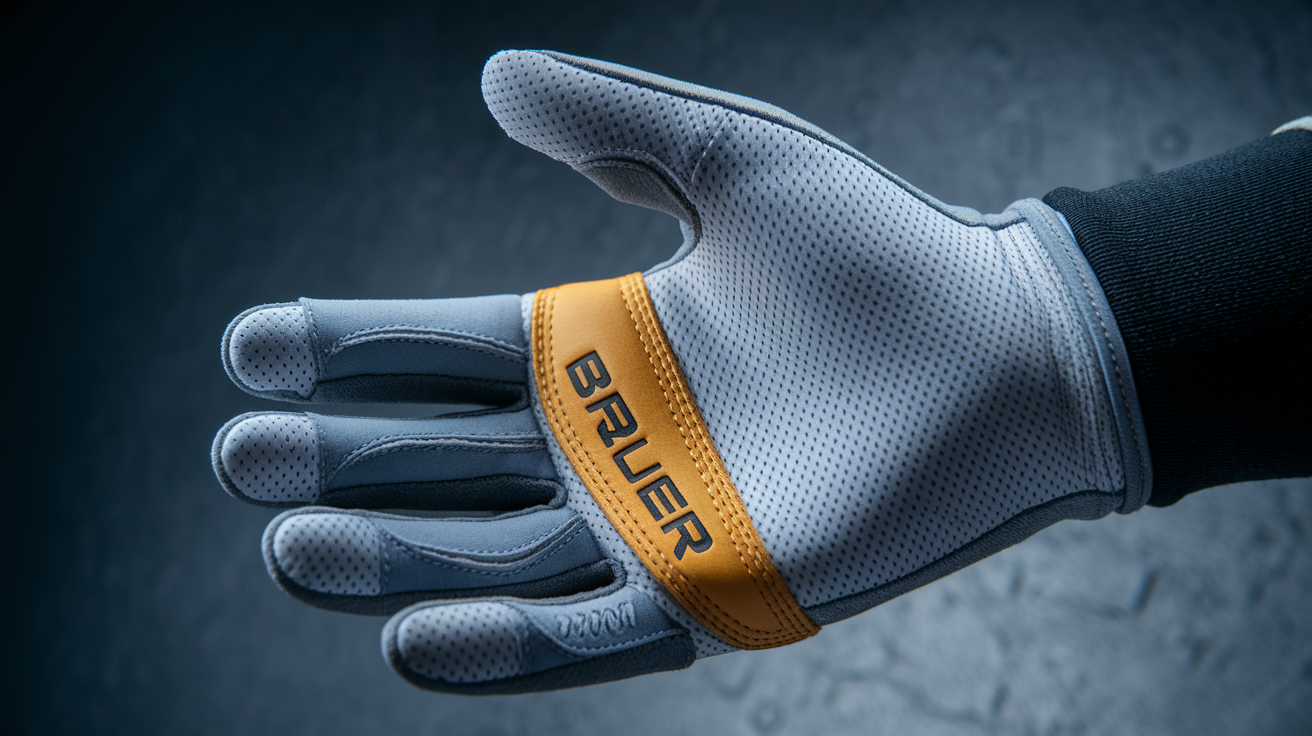
Bauer Vapor FlyLite
The FlyLite uses a tapered fit that hugs your fingers and backhand but opens slightly at the cuff, giving you clean wrist rotation for snap releases and backhand saucers. When you close your hand around the stick, the glove feels like it disappears. That’s the DURACONNEKT palm doing its job. It’s a layered synthetic that Bauer claims is 30 percent more durable than previous Vapor palms, and it maintains grip even after dozens of games. The three-piece thumb articulates naturally, so there’s no bind when you choke up for faceoffs or extend for a poke check.
Protection comes from the SHOCKLITE backhand plate and Defense Cloud Technology foam, which layers soft inner foam with a firmer outer shell that stiffens on impact. You’ll feel a stick check, but the sting doesn’t shoot through to your knuckles. The THERMOCORE Zero liner pulls moisture away fast enough that your hands stay dry through back-to-back periods. At roughly 265 grams per glove, the FlyLite is one of the lightest options Bauer’s built without sacrificing meaningful padding.
CCM Jetspeed FT8 Pro
The Jetspeed tapered fit mirrors the Vapor philosophy but uses a slightly different backhand contour that some players find more natural for stickhandling in tight. The Sensalast Pro palm is softer to the touch than Bauer’s DURACONNEKT, giving you a bit more initial feel but wearing slightly faster if you’re hard on your palms. The Max Flex cuff is segmented in five pieces, so your wrist can hinge through a full range without the glove twisting or pulling your hand out of alignment.
AER-TEC thermoregulation is CCM’s ventilation answer. Perforations run through the backhand and gussets to let heat escape without creating weak points in the foam structure. The Pro FlexThumb is a two-piece design that balances protection and movement. It’s not as segmented as Bauer’s three-piece, but it also doesn’t feel as loose if you prefer a tighter thumb pocket. The FT8 Pro sits in the same price range as the FlyLite and trades a few grams of weight for slightly better moisture control and a palm that some players describe as “game-ready out of the box.”
Warrior Covert QR6 Pro
The Covert Taper is Warrior’s answer to the Vapor and Jetspeed fits, and it’s cut even snugger through the fingers. Makes it a favorite among stickhandlers who want zero slack between their hand and the shaft. The Pro Palm X is a Nash-style synthetic that grips well and breaks in fast, though it doesn’t claim the same durability numbers as Bauer’s or CCM’s top palms. The AXYFlex thumb and cuff use a hinge design that prioritizes natural hand motion over maximum padding, so this glove works best for forwards who rarely find themselves in board scrums.
Tri-Lam foam is Warrior’s three-layer system: soft contact layer, medium-density middle, firm outer shell. It absorbs slashes effectively without adding bulk. The WarTech FNC liner is treated to resist odor and wick sweat, and after a few uses it molds to your hand shape better than most stock liners. At the junior and youth levels, the QR6 Pro is one of the top picks because it doesn’t overpad smaller hands, letting younger players develop stick skills without fighting their equipment.
Protection vs. Puck Feel: Understanding the Trade-Offs
Every glove sits somewhere on a spectrum between maximum impact protection and maximum tactile feedback. High-density foams, especially dual-density and triple-layer systems, do an excellent job absorbing the energy from slashes, shot blocks, and cross-checks. But they also add material between your hand and the stick. That extra millimeter or two changes how quickly you feel the puck land on your blade and how precisely you can angle your top hand during a backhand pass.
On the other end, gloves built with thin palms and minimal finger padding give you near-bare-hand feel, but they wear out faster and offer less protection when a D-man chops down on your gloves in front of the net. The best modern designs try to split the difference by using segmented construction, placing thicker foam only where impacts are most common (knuckles, backhand, thumb) and keeping the palm and fingertips as thin as possible. Segmented cuffs do the same thing for your wrists, protecting the bones without locking the joint.
Common Padding and Palm Types:
Single-density foam — One consistent layer throughout. Lightest option but least impact protection. Common in budget models.
Dual-density foam — Soft inner layer for comfort, firm outer shell that hardens on impact. Good middle ground for recreational and mid-level competitive players.
High-density PE inserts — Plastic or polyethylene plates embedded in foam. Maximum slash and shot-block protection. Used in elite defensive and net-front gloves.
Nash and Sensalast palms — Thin synthetic leather with excellent grip and game-ready feel. Moderate durability. Preferred by stickhandlers and playmakers.
If you’re a forward who spends most shifts in open ice, prioritize feel and accept the faster palm wear. If you play net front, kill penalties, or block shots regularly, lean toward gloves with PE inserts and reinforced backhand plates even if it costs you a bit of sensitivity. Most players find the sweet spot in dual-density foam paired with a mid-grade palm, which protects well enough for most game situations without dulling your hands.
Price-Tier Breakdown: Best Gloves by Budget

Entry-level gloves, typically under $100, use single-density foam throughout and basic synthetic palms. They’ll protect your hands from routine stick contact and light slashes, but the foam compresses faster, the palms wear through in high-friction zones, and the liners don’t manage moisture as effectively. These gloves work well for house-league players, beginners, or anyone who skates once or twice a week and doesn’t face heavy physical play. Examples include older Bauer NSX or CCM Tacks models and budget lines like Sherwood Code series. The fit is usually more traditional, meaning a bit roomier and less articulated than pro cuts.
Mid-range gloves, roughly $150 to $200, step up to dual-density padding, better palm materials like entry-level Nash or Ax Suede, and improved cuff designs with basic segmentation. You’ll see moisture-wicking liners, reinforced stitching in high-wear areas, and enough backhand protection to handle competitive rec leagues and high-school hockey. This tier includes models like the CCM Tacks XF Pro on sale, mid-level Bauer Vapor and Supreme lines, and Warrior Alpha LX2. The jump in durability and comfort is significant, and most players who skate two or three times a week find this range delivers the best value.
Elite gloves, $230 and up, use the highest-grade foams, maximum segmentation in fingers and cuffs, pro-level palms, and advanced liners with odor control and thermal regulation. These are the gloves you see in NHL locker rooms: Bauer Vapor FlyLite, CCM Jetspeed FT8 Pro, Warrior Alpha LX3 Pro, and True Catalyst 9X5. The materials last longer under heavy use, the fit is more precise, and the protection-to-feel ratio is optimized for players who need both. If you’re playing high-level junior, college, or adult competitive leagues and you’re on the ice four or more times a week, the investment pays off in performance and glove lifespan.
| Price Tier | Expected Features | Ideal For |
|---|---|---|
| Entry-Level (Under $100) | Single-density foam, basic synthetic palms, traditional fit, standard liners | Beginners, house-league, recreational skaters |
| Mid-Range ($150–$200) | Dual-density foam, Nash/Ax Suede palms, segmented cuffs, moisture-wicking liners | High school, competitive rec, 2–3 skates per week |
| Elite ($230+) | High-density PE inserts, pro palms, maximum segmentation, thermal liners | Junior A/AA, college, adult A/AA, 4+ skates per week |
Position-Specific Recommendations

Forwards who play a speed and skill game, wingers on the rush, centermen distributing in the neutral zone, benefit most from gloves that maximize puck feel and wrist mobility. Look for tapered or anatomical fits with thin palms, segmented three-piece fingers, and minimal bulk in the cuff. Models like the Bauer Vapor FlyLite, CCM Jetspeed FT8 Pro, and Warrior Covert QR6 Pro are built for players who need to feel a spinning puck settle on the blade and execute quick hands in tight spaces. Protection is still present, but it’s optimized around the backhand and knuckles, not the entire hand. If you rarely block shots and spend more shifts stickhandling than battling in corners, this is your category.
Defensemen face more slashes, cross-checks, and shot blocks, so gloves need additional padding on the backhand, reinforced thumb construction, and extended cuff coverage. Traditional or hybrid taper fits work well because they allow a bit more room for layered foam without restricting wrist rotation during breakout passes. The CCM Tacks XF Pro with its D3O Zero backhand plate and high-density PE inserts is a strong choice, as is the Warrior Alpha LX3 Pro with its Pro Cuff slash protection. You’ll sacrifice a small amount of palm sensitivity compared to forward-focused gloves, but the trade-off is worth it when you’re absorbing point shots on the penalty kill or getting hacked in board battles.
Two-way players, centers who take faceoffs, play both special teams, and log heavy minutes, need a glove that splits the difference. A hybrid taper or anatomical fit gives you enough feel to handle the puck cleanly but enough protection to survive physical play in all three zones. Look for dual-density or triple-layer foam, a pro-grade palm that won’t wear out in 20 games, and a segmented cuff that protects without locking your wrists. The Bauer Supreme Mach and Warrior Alpha LX3 Pro both serve this role well, offering balanced construction that doesn’t force you to choose between safety and skill.
Fit and Sizing Guide for Hockey Gloves

A properly fitted glove covers your entire hand from fingertips to wrist without binding your fingers or restricting your wrist hinge. When you close your hand around a stick, your palm should make full contact with the shaft, and your fingers should curl naturally without jamming into the end of the glove or floating in extra space. Your wrist bone should sit inside the cuff with enough coverage to protect against slashes but enough mobility to execute full wrist snap on your shot.
How to Measure and Determine Your Glove Size:
Hold your dominant hand flat with fingers together and measure from the base of your palm (where your wrist creases) to the tip of your middle finger in inches.
Multiply that measurement by two.
Round the result to the nearest whole number. That number is your starting glove size.
Try on gloves in that size and one size larger. With your hand relaxed, your fingertips should reach the end of the finger stalls without pressure, and your palm should sit flush against the glove’s palm without sliding forward or back.
Close your hand around a stick shaft and check that your wrist can hinge fully up and down without the cuff digging into your forearm or pulling the glove off your hand.
The most common sizing mistake is choosing a glove that’s too large because it feels “comfortable” when your hand is relaxed. A glove that’s too big will shift during play, reducing your stick control and leaving gaps where a slash can reach skin. The second mistake is ignoring fit type. Tapered gloves are cut snugger through the fingers and backhand, so if you’re used to a traditional fit, a tapered model in your usual size may feel tight even when it’s correct. When in doubt, go with the size that feels snug across your knuckles and allows full finger extension without jamming.
Key Features to Look For When Choosing Protective Gloves
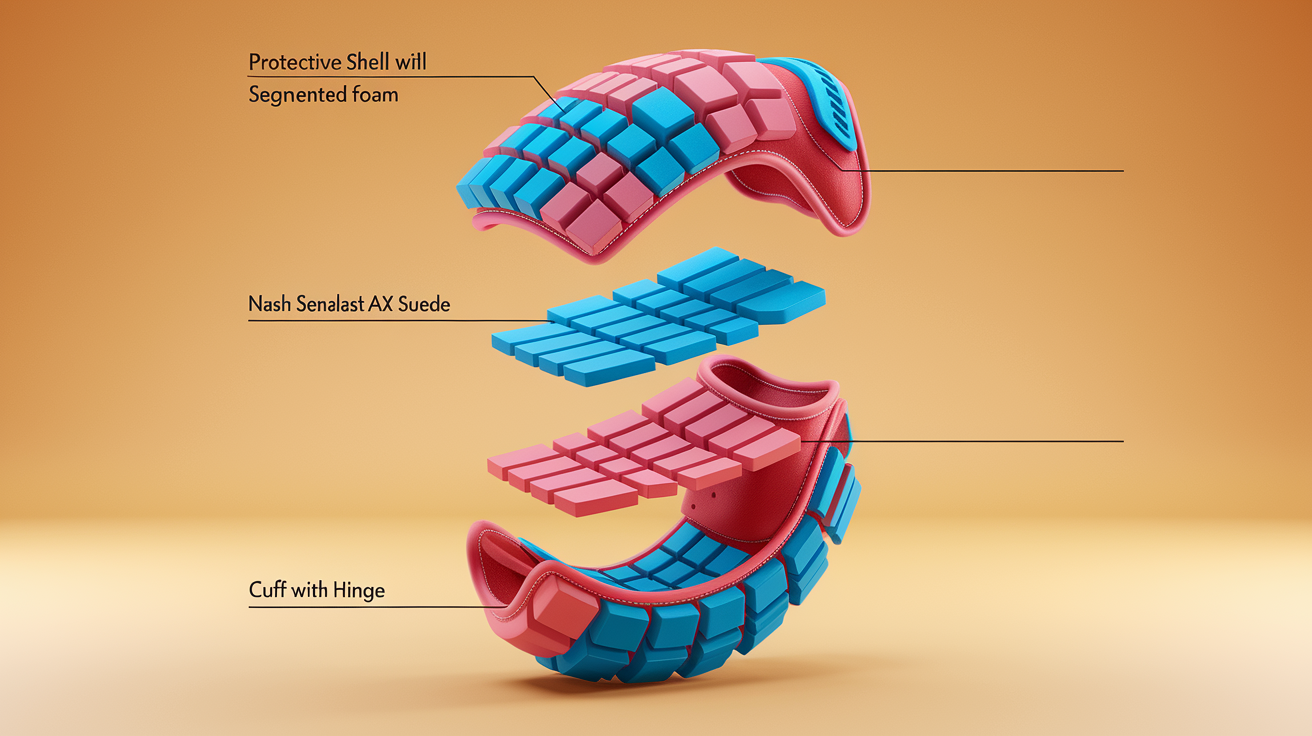
Modern gloves are built around three core systems: the protective shell (backhand, fingers, thumb), the palm interface (materials, stitching, grip), and the cuff (mobility, coverage, attachment). The protective shell uses layered foams, often dual-density or triple-layer, combined with plastic or polyethylene inserts in high-impact zones like the backhand and knuckles. The best designs segment the shell into multiple pieces so the foam can flex with your hand instead of acting like a rigid block. Three-piece fingers, for example, allow each finger to bend naturally at two joints, which is critical for stick control and feel.
The palm is where durability and tactile feedback intersect. Pro-level gloves use materials like Sensalast, Nash, Ax Suede, or DURACONNEKT. Thin synthetic leathers that grip the shaft, resist abrasion, and break in quickly. Cheaper gloves use thicker, less supple synthetics that add bulk and reduce feel. Pay attention to how the palm is stitched into the rest of the glove. Seamless or low-profile seams inside the palm prevent blisters and hot spots. Reinforced stitching in the thumb gusset and along the base of the fingers extends the glove’s life in the areas that wear out first.
Critical Features Checklist:
Segmented cuff — Multi-piece construction allows full wrist hinge without losing slash protection.
Dual-density or multi-layer foam — Soft inner layer for comfort, firm outer shell that hardens on impact.
Pro-grade palm material — Nash, Sensalast, Ax Suede, or DURACONNEKT for grip and durability.
Three-piece fingers — Articulated segments let fingers flex naturally and improve stick feel.
Reinforced thumb protection — Two-piece or three-piece thumb with added padding to prevent hyperextension and absorb slashes.
Moisture-wicking liner — Treated fabric that pulls sweat away from skin, reduces odor, and speeds drying between periods.
Final Words
On the ice, your gloves decide whether a pass lands on the tape or your hand takes the hit. This guide covered top models like Bauer Vapor, CCM Jetspeed, and Warrior Covert, how construction trades off puck feel and protection, plus price tiers and sizing tips.
Pick the glove that matches your priorities, then try it on. Choosing the best protective hockey gloves for puck control and hand safety makes your shifts cleaner and keeps you playing longer.
FAQ
Q: What are the best hockey gloves for puck handling and protection?
A: The best hockey gloves for puck handling and protection combine dual-density foams, three-piece fingers, and pro-level palms; top choices include Bauer Vapor, CCM Jetspeed, and Warrior Covert for feel plus impact safety.
Q: How do Bauer Vapor, CCM Jetspeed, and Warrior Covert gloves differ?
A: Bauer Vapor, CCM Jetspeed, and Warrior Covert differ in fit, feel, and focus: Vapor is tapered for mobility, Jetspeed balances protection and responsiveness, Covert prioritizes fingertip dexterity and light weight.
Q: What trade-offs exist between protection and puck feel in hockey gloves?
A: The trade-offs between protection and puck feel are that thicker HD foams raise safety but reduce mobility, while thinner palms boost stick feel but wear faster; segmented cuffs help balance movement and protection.
Q: How should I choose gloves by budget?
A: Choose gloves by budget using expected features: entry-level for basic single-density foam and value, mid-range for dual-density padding and better palms, elite for high-grade foams, segmentation, and pro palms.
Q: What gloves suit forwards, defensemen, or two-way players?
A: Gloves for forwards, defensemen, or two-way players should match priorities: forwards favor mobility and fingertip feel, defensemen want stronger backhand and cuff protection, two-way players choose balanced padding and wrist movement.
Q: How should hockey gloves fit and how do I measure my hand?
A: Hockey gloves should cover fingertips comfortably with full wrist mobility and correct palm alignment. Measure from middle fingertip to wrist, across palm width, and compare to brand sizing charts for best fit.
Q: What key features should I look for when choosing protective gloves?
A: Key features to look for when choosing protective gloves are segmented cuffs, dual-density padding, three-piece fingers, reinforced thumb, responsive palm material like AX Suede, and good wrist mobility.
Q: How do palm materials affect feel and durability?
A: Palm materials affect feel and durability because thinner, tackier palms give better stick control but wear quicker; heavier pro palms last longer but slightly dull tactile feedback.
Q: What common sizing mistakes should I avoid when buying hockey gloves?
A: Common sizing mistakes to avoid are buying gloves too tight, choosing ones that expose fingertips, ignoring palm alignment, and failing to test wrist rotation with a stick in hand.