

Throwing the same generic questions at goalies is a mistake most coaches still make.
Goalies face every scoring chance alone, so their answers need to show technique, reads, and how they reset mentally.
This post gives position-specific interview questions that expose those things.
You’ll learn what to ask, what answers signal readiness, and how to follow up for concrete examples.
Ask for plays, routines, and fixes, not vague pep talk.
Read on to get the exact questions that separate reliable netminders from inconsistent ones.
Essential Position-Specific Goaltender Interview Questions

Interviewing a goaltender isn’t the same as evaluating skaters. The position demands technical precision, mental toughness, and split-second reads under constant pressure. Forwards and defensemen rotate shifts. Goalies stand alone for every scoring chance. The questions you ask need to reveal how candidates think, prepare, recover from mistakes, and handle the mental weight that comes with the job. Generic hockey questions won’t tell you what you need to know.
The right interview exposes readiness, self-awareness, and whether they can be coached. You want to understand how a goalie reads plays before they develop, how they respond when things fall apart, and whether they can talk about their game in concrete terms. The questions below target decision-making, pressure management, rebound control, communication, and situational awareness. These are the areas that separate reliable goaltenders from inconsistent ones.
Core Position-Specific Interview Questions:
Are you 100% healthy right now? If not, what’s the injury and where are you in rehab?
Walk me through your crease depth and angle priorities when the puck’s in the slot versus up at the point.
How do you manage rebound control after pad saves? Give me a recent in-game example.
Describe your approach to breakaways and odd-man rushes. When do you challenge versus stay deep?
How do you respond right after giving up an early or weak goal?
What methods do you use to rebuild confidence during a rough stretch?
How do you communicate with defensemen to manage gaps, coverage, and rebounds?
Describe your pre-game routine. Timeline, on-ice warmup, mental cues.
How do you use video review? Give me an example of a positional mistake you corrected through tape study.
How do you prepare differently for back-to-backs or condensed schedules?
What specific strength, mobility, or flexibility routines do you follow for goaltending demands?
Describe a time you had to steal a game for your team. What did you do differently that night?
Technical Skill and On-Ice Decision-Making Questions
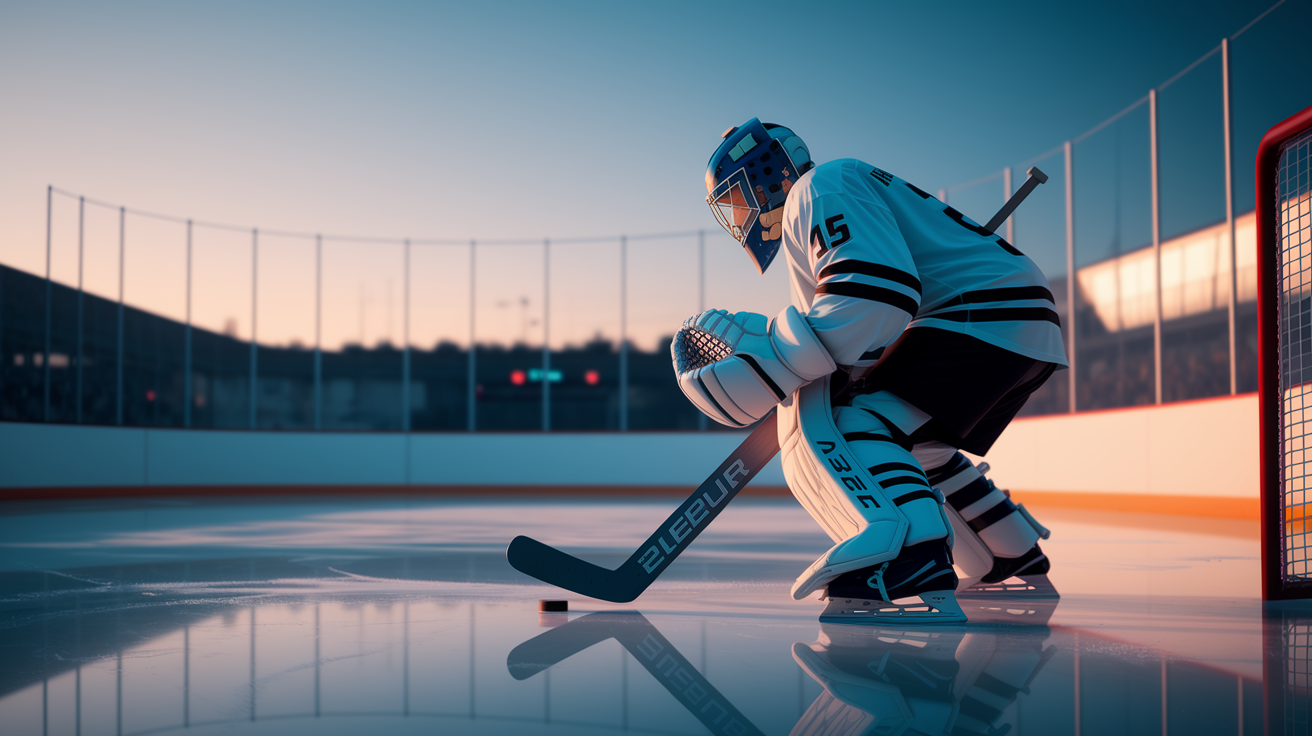
Technical proficiency isn’t just reflexes. It’s about reading plays, controlling angles, managing depth, tracking pucks through traffic, limiting rebounds, and moving efficiently post to post. Understanding how a goalie makes technical decisions in real time helps you predict whether they can handle faster shooters, tighter defensive structures, and higher-level competition. These questions should reveal whether a candidate has developed a systematic approach to positioning and whether they can explain their reads without fumbling through vague generalities.
Technical Decision-Making Questions:
Describe your butterfly technique. Hip opening, recovery pushes, and how you protect the five-hole.
How do you adjust positioning for screened shots, cross-crease passes, and quick point shots?
Walk me through how you read and react to banked pucks off the end boards or weird bounces.
What cues tell you to challenge versus stay deep on a shooter?
How do you handle shots from the slot versus shots from the point in terms of depth and positioning?
Explain your approach to post integration. When do you seal, and how do you track wraparounds?
How do you prioritize angle versus depth when a shooter’s moving laterally across the slot?
Describe a recent positional mistake you made and the drill or adjustment you used to fix it.
Mental Resilience, Focus, and Game Psychology
The mental side for goaltenders is uniquely brutal. Skaters rotate shifts. A goalie is locked in for 60 minutes with no breaks and no margin for extended lapses. One mistake can decide a game, and the ability to reset quickly after a bad goal separates reliable goalies from the ones who unravel.
Understanding how a candidate manages pressure, maintains focus during long scoreless stretches, and handles momentum swings gives you insight into their psychological durability. The intensity of the position means mental routines matter as much as physical preparation. Goalies who lack structured mental habits often fall apart under playoff pressure, late-game situations, or after giving up an early goal. These questions help you figure out whether a candidate has developed the tools to manage the mental load or whether they’re still winging it.
Mental Game Questions:
How do you maintain focus over a full 60-minute game and manage momentum swings?
Describe a time you had to reset mentally after giving up multiple goals in quick succession.
What specific routines do you use to stay calm and focused during high-pressure sequences?
How do you prepare mentally for games where you know you’ll face a high volume of shots?
What steps do you take when you feel your confidence dropping mid-game?
How do you handle a situation where you’ve been pulled twice in the last five games?
Physical Conditioning and Goalie-Specific Athletic Requirements

Goaltending demands explosive power, lateral mobility, hip flexibility, and the endurance to sustain a crouched stance through extended sequences. The physical load is different from skaters. Goalies need strength to hold positions, flexibility to execute wide butterfly saves, and conditioning to recover quickly between shots. Asking about training habits reveals whether a candidate takes their physical preparation seriously and whether they understand the specific demands of the position.
Conditioning-Focused Questions:
What’s your weekly training load during the season versus the off-season? Hours per week.
How many strength sessions and mobility or hip-flexor work sessions do you complete each week?
What specific exercises do you use to improve lateral mobility and recovery speed?
How do you track recovery on travel days? What metrics do you use? Sleep, soreness, mobility tests?
Describe past injuries and your current management or rehab protocols.
Equipment, Gear Preferences, and Setup Questions
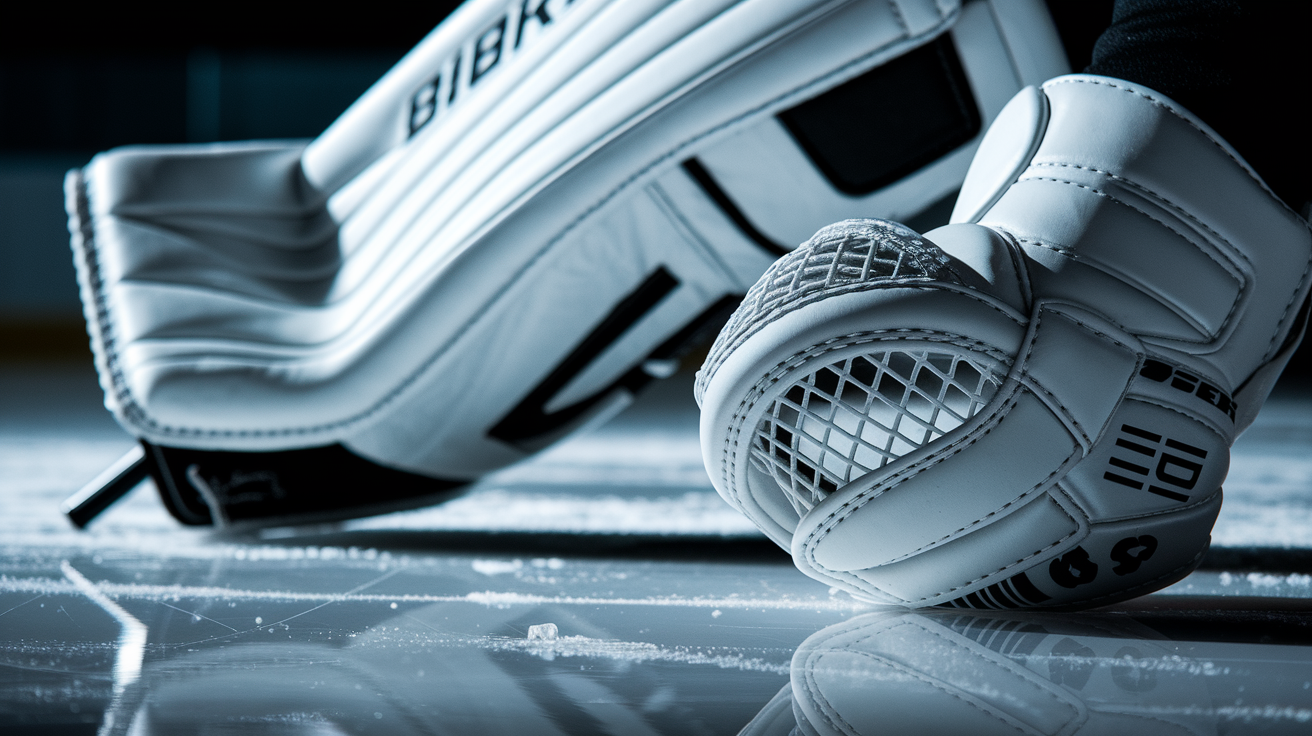
Equipment choices directly affect a goalie’s mobility, comfort, and performance. Pad stiffness influences rebound control. Glove design impacts hand speed. Skate profiling changes edge work and recovery. Goalies who understand these trade-offs and make intentional equipment decisions tend to perform more consistently. These questions help you assess whether a candidate has a thoughtful approach to gear or whether they’re passive about setup choices.
Gear Setup Questions:
Describe your pad and glove setup. How do you balance blocking power with rebound control and mobility?
How do you decide when to change or modify equipment mid-season?
Do you make equipment adjustments for different rink or ice conditions? Give an example.
Have you experimented with gear setups to gain an advantage? What was the outcome?
What role does equipment play in your positioning and technical decisions?
Pre-Game Preparation, Routines, and Consistency

A goalie’s pre-game routine influences their readiness, focus, and ability to perform consistently. Goalies who follow systematic warmups and mental prep sequences tend to start games sharper and maintain steadier performance over a season. These questions reveal whether a candidate has developed reliable habits or whether they’re inconsistent in their preparation.
Pre-game routines also show coachability. A goalie who adapts their warmup based on game context (back-to-backs, travel, opponent tendencies) demonstrates awareness and flexibility. A goalie who does the same thing regardless of situation may lack the adaptability needed at higher levels.
Routine-Focused Questions:
What’s your pre-game routine? Timeline, on-ice reps, and mental cues.
How do you adjust your warmup for a back-to-back or short-rest travel game?
What do you do differently in your routine when facing a high-powered offensive team?
How do you use video review in your preparation? Frequency, focus areas, and specific examples.
What metrics or video markers do you track to measure improvement? Save percentage, rebound frequency, high-danger save percentage?
Describe a time when changing your routine led to better performance.
Communication, Leadership, and Team Interaction
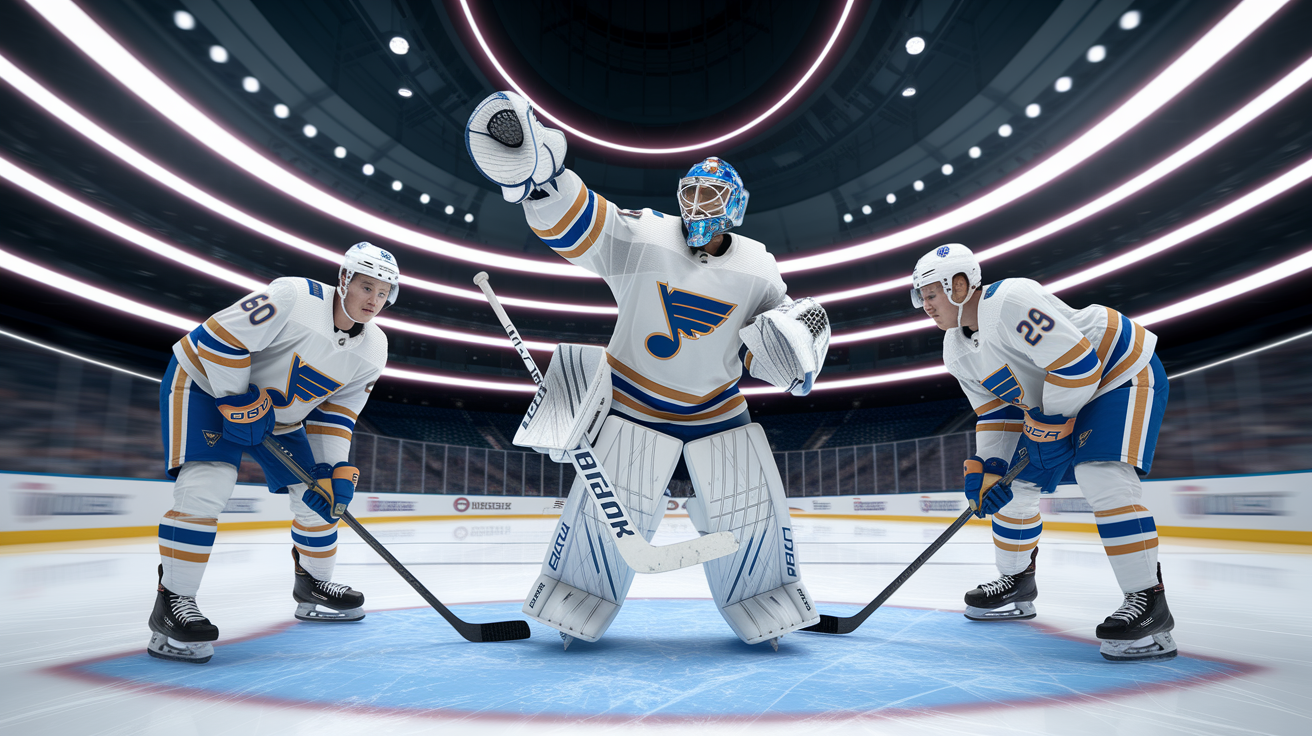
Goaltenders direct defensive structure, call out coverage, guide breakouts, and set the tone for how a team defends. A goalie who communicates clearly and confidently helps defensemen make better decisions and reduces defensive breakdowns. Asking about communication habits reveals whether a candidate understands their leadership role and whether they can influence team play beyond making saves.
Communication and Leadership Questions:
How do you communicate with defensemen to manage gaps, defensive zone coverage, and rebound control?
Describe the exact signals or phrases you use with a defenseman when they lose track of a forward in front of the crease.
Give an example where you altered your communication to better fit a new defensive partner or system.
How do you handle disagreements with coaches about technique or game plan?
What role do you play in organizing penalty-kill structure or special-teams communication?
How do you maintain team confidence after giving up a momentum-shifting goal?
Describe a situation where your leadership helped stabilize the team during a difficult stretch.
How Coaches and Recruiters Should Evaluate Goaltender Responses
Effective evaluation starts with listening for specifics. Strong candidates cite concrete examples. Dates, games, drills, measurable outcomes. They describe technical adjustments with clarity and precision. They explain mental routines in step-by-step terms. Vague answers (“I just try to stay positive”) or generic statements (“I work hard every day”) are red flags. You want evidence that a goalie has reflected on their game, identified weaknesses, and taken deliberate steps to improve.
Coachability matters as much as current ability. A goalie who seeks input, implements feedback, and proposes drills or adjustments is more likely to develop over time. A goalie who resists video review, dismisses analytics, or blames teammates for poor outcomes will struggle to improve. Pay attention to how candidates talk about mistakes. Do they take responsibility, or do they deflect? Do they describe what they learned, or do they make excuses?
| Indicator | What It Reveals | Strong Response Traits | Red Flags |
|---|---|---|---|
| Technical Specificity | Depth of positional understanding and self-awareness | Names drills, cites angles/depth measurements, explains reads with hockey language | Vague descriptions, inability to name drills, inconsistent terminology |
| Mental Routine Clarity | Ability to manage pressure and reset after mistakes | Step-by-step pre-game or in-game reset process, breathing techniques, short-term goals | No routine, avoidance of mental prep questions, reliance on “just staying calm” |
| Use of Data and Video | Coachability and commitment to improvement | Regular video review, cites specific corrections, tracks measurable metrics | Dismissive of analytics, no video habits, resistance to feedback |
| Communication Examples | Leadership and team-first mindset | Specific phrases used with defense, examples of adjustments, proactive communication | Blames teammates, unclear signals, avoids describing communication protocols |
| Conditioning Structure | Professionalism and long-term durability | Named exercises, weekly training hours, recovery metrics, injury-management plan | No structured program, inconsistent training, no off-ice mobility work |
| Ownership of Mistakes | Maturity and growth potential | Takes responsibility, describes adjustments made, cites lessons learned | Frequent blame of others, excuses, inability to identify personal improvement areas |
Final Words
Jump right to the core: the article gives a compact set of position-specific interview questions, from decision-making and rebound control to technical reads, mental resilience, conditioning, gear, routines, and communication, plus a simple rubric for evaluating answers.
Use the lists in practice. Ask the toughest situational and mental-game questions first to see real reactions. Use this guide on how to interview hockey goaltenders position-specific questions during your next sit-down to spot who’s prepared, who adapts, and who will fit your system.
You’ll leave the interview with clearer answers and better decisions.
FAQ
Q: What are the 7 most common interview questions and 7 good questions to ask in an interview?
A: The seven most common and useful interview questions are: Tell me about yourself; Strengths and weaknesses; Why this team/role; Describe a challenge you solved; How you handle pressure; Where you see yourself; Questions for us.
Q: What is the Martin Brodeur rule?
A: The Martin Brodeur rule limits where NHL goalies can play the puck behind the goal line by creating a trapezoid behind the net; goalies can’t play the puck in the corners outside that area.
Q: Where do you put your weakest player in hockey?
A: You should place your weakest player where they face lower defensive risk: sheltered minutes on the fourth line or third defensive pairing, on the wing, and with clear, simple roles to build confidence.